-
-
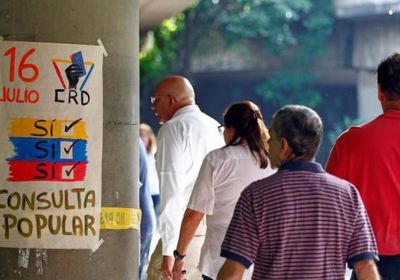
While the media reported the results announced by the right-wing opposition for its July 16 national consultation as fact, even its own “observers” have raised doubts as to its democratic credentials.
-
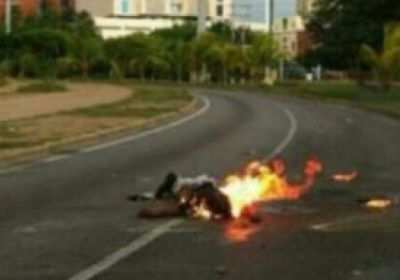
The media likes to blame government repression for the recent deaths in Venezuela, but the actual figures tell a different story.
Worryingly, they reveal a right-wing terror campaign involving political assassinations and public lynchings of government supporters, providing a frightening insight into what the opposition would do in power.
-
-
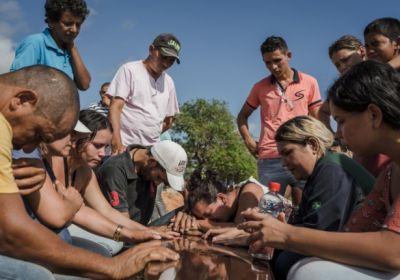
As security forces repressed anti-government protests in the capital, a military police operation to break up a protest camp left 10 civilians dead, with witnesses claiming they were killed execution-style.
None of this made it into the international media however, because it happened in Brazil, not Venezuela.
-
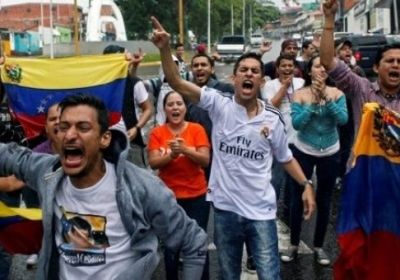
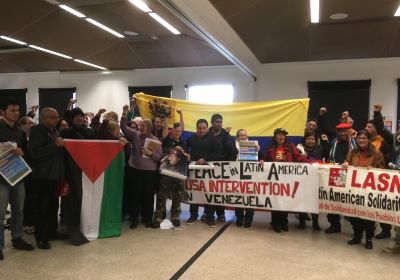
As violent anti-government protests continue in Venezuela, supporters of the right-wing opposition have begun targeting Venezuelan government officials and their families in Australia. The actions are part of a string of recent attacks abroad on government representatives by Venezuelan opponents of President Nicolas Maduro.
-
-
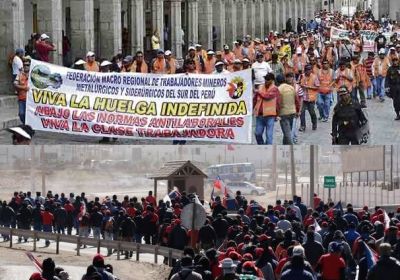
Mining companies have benefitted over the past few years from rising global demand and prices, but workers have seen little to no benefit from the boom.
Now mine workers are flexing their muscle to demand their share of the spoils.
-
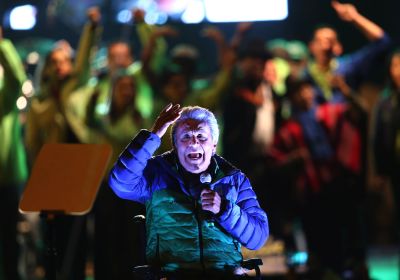
Ecuador will return to the polls on April 2 after a first round presidential vote failed to deliver a decisive victory for Lenin Moreno, the candidate seeking to continue outgoing President Rafael Correa’s pro-poor “Citizens’ Revolution”.
Moreno now faces the challenge of ensuring Ecuador does not join the list of countries in the region where the left has recently lost at the ballot box.
-
-
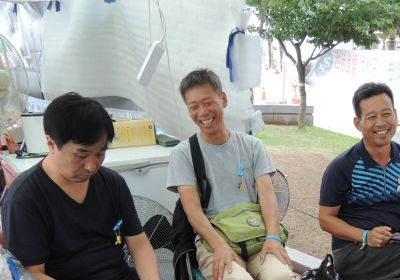
Despite the rain, hundreds of people turned out in Seongju County on September 4 for a candlelight vigil for the 54th night in a row. Their message is clear: no to the United States’ planned deployment of the THAAD missile defence system, not in Seongju or anywhere in South Korea.
-
Federico Fuentes
Federico Fuentes