
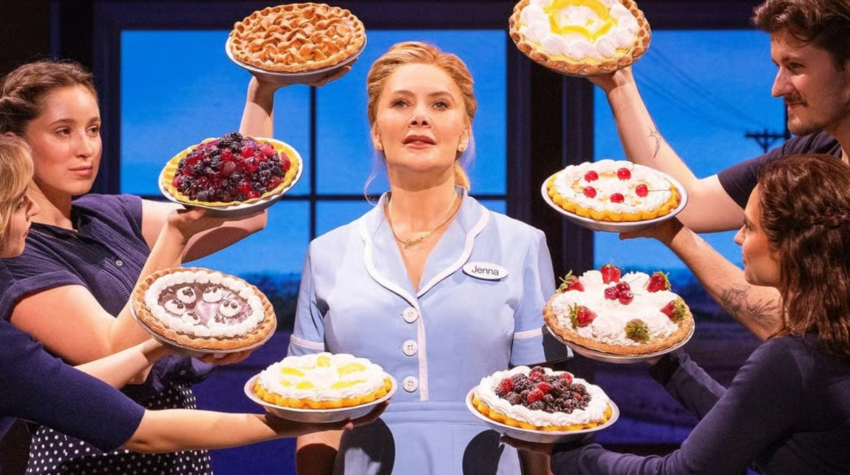
Audiences and workers in the theatre and live production industry were devastated to hear of the cancellation of the Gadigal Country/Sydney run of hit Broadway musical Waitress in late June.
The announcement came a week after news that a production of Beetlejuice was closing early, a decision the Media, Entertainment and Arts Alliance (MEAA) described as “deeply disappointing and devastating”. Major theatre productions of Back to the Future, Dear Evan Hansen and Annie have also been cut short or cancelled recently.
“This is a devastating outcome for the workers who committed their time, skill and talent to this production,” MEAA campaigners director Paul Davies said.
“Rising costs in production, touring, freight, venue, monopolisation of ticketing, and cost-of-living pressures on audiences are combining to make productions increasingly difficult to sustain across the entire live performance industry,” the MEAA said.
The MEAA held an emergency meeting on July 13 to discuss the crisis in live theatre and performance. More than 200 performers, musicians, crew and technicians joined the meeting, which called for urgent action from state and federal governments to address the crisis facing the live performance industry across the country.
These cancellations mean hundreds of workers are facing uncertainty and potential unemployment.
MEAA president Michael Balk said the live performance industry is at “breaking point”. “The cancellation of major productions is leaving performers, musicians, crew, technicians and venue staff without work, often with little warning.
“This crisis also reaches far beyond the people employed on stage and behind the scenes. When theatres go dark, audiences lose access to culture, communities lose connection and Australia risks losing the skilled creative workforce that underpins a vibrant arts sector.”
The MEAA has published an open letter which calls on state and federal arts ministers to restore funding to the arts, support a live performance tax offset or rebate, and support practical measures to boost audience attendance.
The cost-of-living crisis means people are prioritising needs like housing, food and healthcare over attending cultural events like theatre productions or going to the cinema.
Live Performance Australia (LPA), the industry’s peak body, is calling for a 40% tax offset or rebate on live productions, as part of a new national cultural policy. LPA cites the 30% offset currently in place for videogame designers as a comparison.
The MEAA said it is prepared to mobilise members in support of LPA’s call, but wants assurances for “secure jobs, fair conditions and genuine opportunities for Australian performers, crew, musicians, and venue workers”.
This includes a comprehensive industry agreement covering performers, crews and musicians that includes: better pay and conditions; protections against replacement or exploitation of workers through automation, artificial intelligence and recordings; and more employment opportunities for local performers, crew and musicians.
“Musical theatre is the canary in the coalmine,” the MEAA said. “This crisis is already affecting workers across the industry. Australia cannot afford a future in which theatres are dark, productions are cancelled, audiences are priced out, and skilled arts workers are forced out of the industry.”
[Sign the open letter here.]