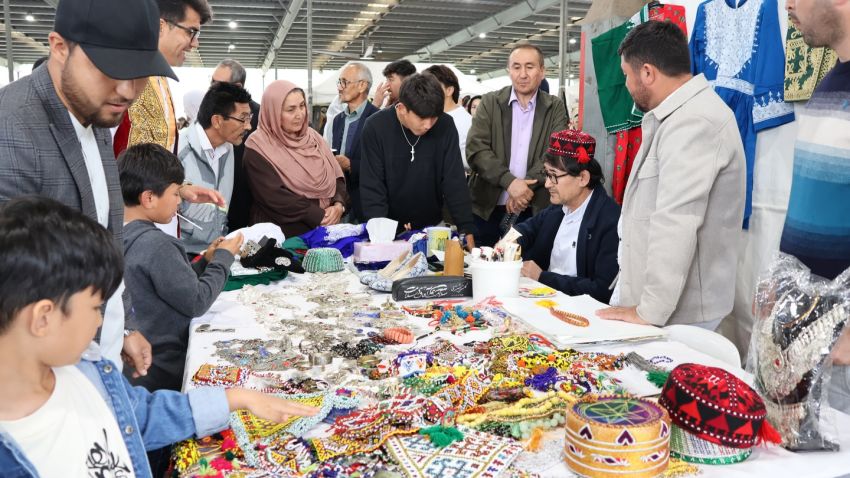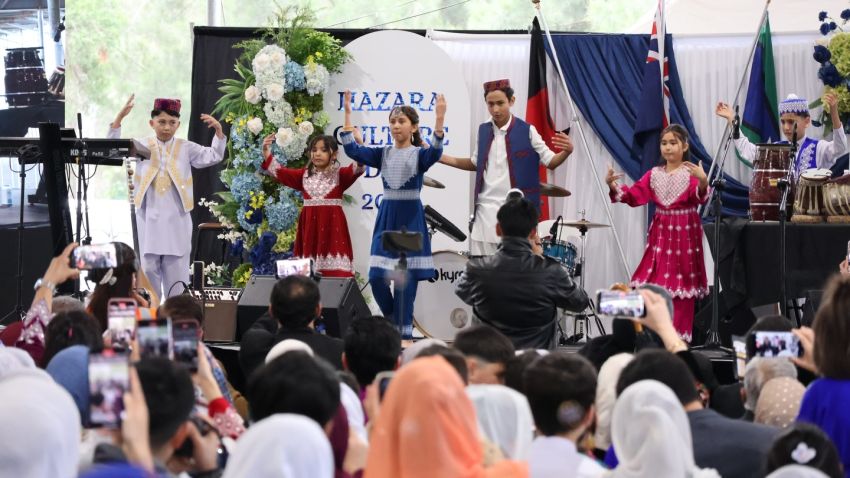
The inaugural Hazara Culture Day on May 17, supported by the Cumberland City Council, drew thousands to the Fairfield Showgrounds.
The event coincided with celebrations of Haza culture worldwide.
It provided the Hazara community, of which about 10,000 live in the council area, with an opportunity to celebrate their unique culture and reflect on their history of resistance.
A stunning line-up included a Kharazmi dance performance; soulful music and the breathtaking Rumi whirling dervish dancers.
There were also beautiful displays of Hazaragi calligraphy, poetry, and fashion.
This event was hosted by the not-for-profit Saba Hazara Group and Day Cultural Association in partnership with NSW Afghan Settlement Partnership, Katib Hazara Association and the Afghan Fajr Association. Hazara Voice and the Sydney Hazara Cultural Association also supported the event.
The Hazaras are descendants of Mongol, Turkic and indigenous Persian peoples, who settled over centuries in central Afghanistan.
Unlike the majority of Afghans who are Sunni, the vast majority of Hazaras practice Shia Islam. For centuries the Hazara has been one of the most marginalised and persecuted minority groups in South Asia.
They have been massacred, forced off their lands and systemically discriminated against by various regimes.
Due to this historical oppression, poverty and ongoing conflict, many Hazaras were forced to flee their lands. Large diaspora communities now live in Quetta in Pakistan and Mashhad in Iran. Significant numbers of Hazaras have resettled in the West, including in Australia.
Hazara political organisations formed Hezb-e Wahdat in 1989 to fight the Soviet occupation of Afghanistan.
In the 1990s’ civil wars in Afghanistan, Hazaras fought the Taliban, but many were killed en masse, including the massacres in Mazar-e Sharif. The Hazaras viewed the Taliban’s destruction of the Bamyan Buddhas in 2001 as an attack on their culture and homeland.
After the United States invasion in 2001, Hazaras gained some political representation and constitutional recognition. However, the structural discrimination persisted.
Hazara activists launched protests demanding equal treatment, including the 2016 grassroots civil disobedience campaign, known as the Enlightenment Movement.
At the same time, extremist violence against Hazaras escalated. The Taliban and Islamic State targeted Hazara civilians, especially in Kabul.
Since the Taliban was handed power back by the departing US occupation forces in August 2021, conditions for Hazaras have significantly worsened. The Taliban has eradicated constitutional protections, excluded Hazaras from positions of influence and reinforced sectarian discrimination.
Hazara women and civil society groups have been particularly affected by drastic limits on education, expression and public life. The Islamic State has continued its attacks on Hazara communities, especially Shi’a mosques and neighbourhoods. Meanwhile, the Taliban is forcibly seizing their land.
The Hazara community in Afghanistan continues to suffer sectarian and ethnic discrimination, extremist violence, political exclusion and forced displacement.