
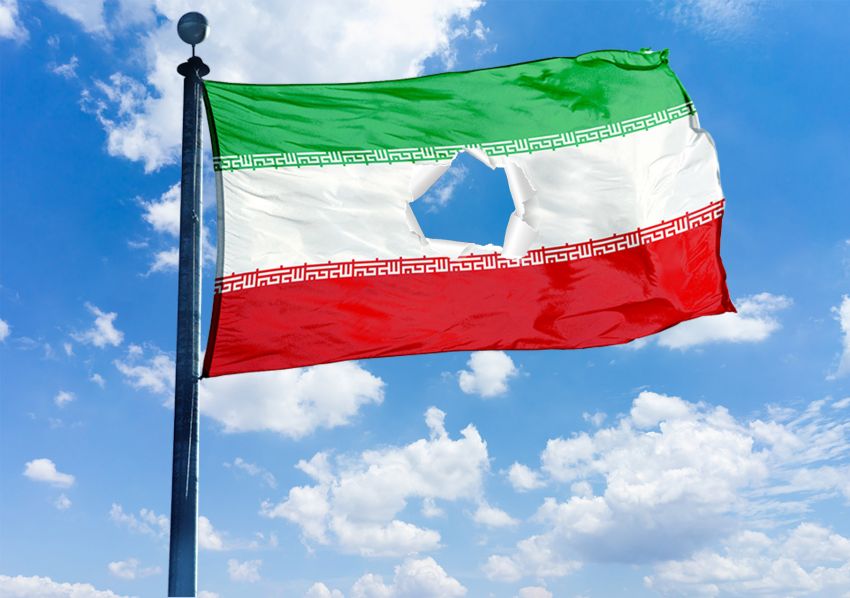
Protests have exploded in more than 180 cities and towns across Iran since December 28. Initially triggered by a sharp currency collapse and soaring inflation, they quickly spread nationwide, calling for the fall of the Islamic Republic regime.
United-States-based Human Rights Activist News Agency (HRANA) reported that 2500 protesters have been killed, while others put the figure as high as 12,000. Many of those killed have been young people under the age of 30. The regime has arbitrarily detained thousands more, including children, at protests and nightly raids on homes.
Amnesty International researcher Rebecca White reported that the regime imposed an internet and telecommunications blackout on January 8, “to hide the true extent of grave human rights violations and crimes under international law they are carrying out to crush the largest nationwide protests since the Woman Life Freedom uprising in 2022”.
The uprising is being described as the greatest threat to the regime since the 1979 Revolution. There is hope, anguish and fear among the protesters.
Iranians want a different political system. Many people are angry and describe feeling like zombies, enslaved by the Islamic theocracy. For them, the cost of protesting, standing in front of bullets, possibly being arrested or killed is worth it, because the system they live under is so stultifying.
History of struggle
Iranians have challenged the regime almost from its inception in 1979. Less than two weeks after the revolution, thousands of women marched in the capital Tehran to oppose Supreme Leader Ayatollah Khomeini’s decree mandating the hijab (Islamic headscarf).
During the 1990s, there was sporadic unrest, including in Mashhad in 1992, Qazvin in 1994 and the Tehran suburb of Eslamshahr in 1995, mostly about economic grievances and sudden price jumps. Student protests erupted in 1999 over media censorship.
There were massive protests after the June 12 presidential election in 2009, when controversial former President Mahmoud Ahmadinejad was re-elected.
During the 2018 drought, farmers in central Isfahan blocked roads with tractors to protest against the diversion of water from the iconic Zayandeh Rud River and there were protests over water shortages in other cities, which were met with repression.
Nurses, teachers, oil workers and other organised workers have protested over poor working conditions, low wages and repressive labour laws.
The Woman, Life, Freedom movement brought millions onto the streets and around the world in 2022–23, after 22-year-old Kurdish woman Jina (Mahsa) Amini was arrested and killed by security forces for allegedly failing to wear her hijab properly. Hundreds were killed and more than 20,000 arrested. A wave of executions of political prisoners followed.
The 12-day bombing of Iran by Israel and the US in June last year also served to stoke anti-government sentiment. While the general population had no warnings about the US’ strikes and no bomb shelters, Supreme Leader Ali Khamenei and the upper echelons of the regime were swiftly taken to safety.
The current protests were sparked by anger over the collapse of the Iranian currency and the soaring cost of living. Inflation was at 52.6% in late December, up 3.2% from the previous month. According to India’s World: “Prices of staple foods such as rice, cooking oil, and meat jumped sharply, as did the cost of imported medicines and medical supplies.”
Economic hardship, corruption
US sanctions have crippled Iran’s economy, but government mismanagement and corruption have exacerbated the situation for ordinary Iranians.
Small market walkouts and strikes developed into a national movement. Initially led by business owners, retail and factory workers, they snowballed to include university students and everyday people and quickly evolved into demands for political change.
“Reports suggest that slogans targeting the government and Supreme Leader Ayatollah Ali Khamenei have been raised by protesters in Tehran, Isfahan, Shiraz, Mashhad, Lorestan, Khuzestan, Hamadan, and Fars,” said India’s World.
“Tehran’s Grand Bazaar, a commercial hub employing tens of thousands and historically a political bellwether, shut down continually as merchants protested the collapse of purchasing power.”
There were also anti-regime protests in the Shiite clerical stronghold of Qom, indicating a growing rift within the religious establishment.
Chants have included: “the streets belong to the people, not dictators”; “death to the dictator”; and “Freedom, Justice, Iranian Republic”.
According to reports on the ground, protesters are being shot at close range in the head and neck. When families are able to retrieve their loved one’s bodies they are forced to bury them in secret.
According to HRANA, 26-year-old Erfan Soltani could be the first detainee sentenced to death for the “crime” of calling for freedom. “We have never witnessed a case move so quickly,” Awyar Shekhi, of human rights organisation Hengaw, told the BBC. “The government is using every tactic they know to suppress people and spread fear.”
US President Donald Trump is attempting to channel the people’s legitimate resistance into support for US dominance, threatening to attack Iran if the regime continues to kill protesters or execute detainees, and saying “help is on the way”.
The US government would love a regime change in Iran because it would give it and the genocidal state of Israel carte blanche in the Middle East.
Many believe such threats, and suggestions (tweeted by former US Secretary of State Mike Pompeo, for example) that the Israeli secret service Mossad is active in the protests only endanger the lives of protesters, because it gives the Iranian government the excuse to arrest and kill more of them.
Virginia Pietromarchi wrote in Al Jazeera that “The sense of a looming external threat is such that the army — which rarely gets involved in domestic matters, as opposed to the more ideological Islamic Revolutionary Guard Corps — has issued a statement declaring its support for the government, adding that it will protect the country’s strategic infrastructure.”
Meanwhile, Reza Pahlavi, the son of the former shah, who lives in the US, has been positioning himself as leader of the opposition and liberator, calling on Trump to intervene.
Narges Bajoghli, associate professor of Middle East studies at Johns Hopkins University told DemocracyNow! that the current protests are different to the 2022–23 Woman, Life, Freedom movement. She said the movement was “able to get not only a lot of folks onto the streets, but, more importantly, they were able to, from the very get-go of that movement, get people involved in everyday acts of civil disobedience”.
Bringing tactics of civil disobedience and non-compliance to the forefront has fed into the current movement, “making the situation extremely heated”, she said.
While it is difficult to predict how the uprising will develop, the people of Iran deserve our international solidarity in their legitimate struggle for economic, political and social rights and against tyranny.