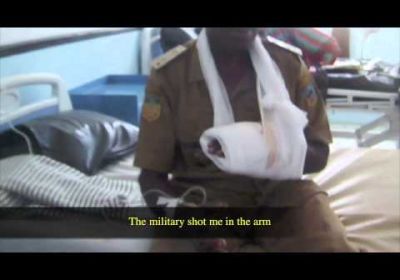
A video released by Minority Rights Group on April 8 shows the aftermath of the “Paniai massacre” in West Papua in December last year, bringing to light Indonesia's human rights abuses.
-
-
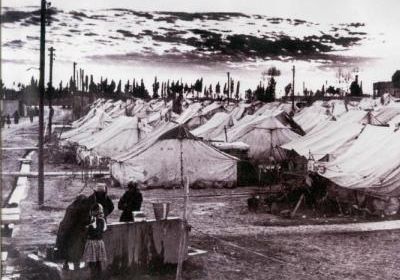
The Palestine Action Group released the following statement on April 9. * * * Today, April 9, we remember 67 years since the Deir Yassin massacre. Over 100 Palestinians were murdered, with many children left orphaned. Palestinians soon began to leave their homes after witnessing such atrocities, even before the mass exodus that came with the Nakba. And still 67 years on, the effects of diaspora are being felt harshly by Palestinians. After being forced to flee their homeland, Palestinians in the Yarmouk refugee camp are under attack yet again. -
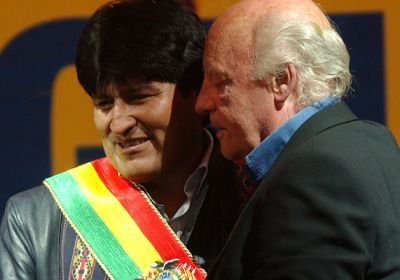
Internationally awarded Uruguayan author and journalist Eduardo Galeano died on April 13 of lung cancer at age 75 in Montevideo, the capital of Uruguay.
-
A group of Australian academics, unionists, politicians, and others have urged the US to “stop interfering in Venezuela’s domestic affairs”. More than 70 prominent Australian progressives issued an open letter to US President Barack Obama condemning US sanctions against Venezuela on April 9. The letter, initiated by the Venezuelan Solidarity Campaign in Melbourne, is printed below. The letter was handed to US consulates in Sydney and Melbourne on April 10. * * * No more coups! No more interventions! Repeal the Executive Order! Dear Mr President, -
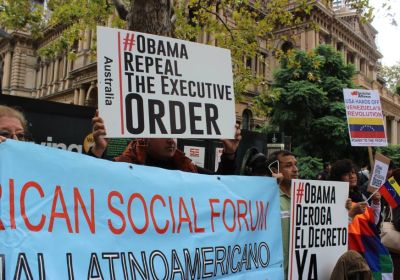
More than 100 people joined a rally at Sydney Town Hall on April 11 to demand "US hands off Venezuela!"
The rally demands were: "No more coups; End foreign intervention; Respect Venezuela's revolution; and Peace in Latin America!"
-
Zakia Baig from the Australian Hazara Women’s Friendship Network speaking at the rally.
One hundred and fifty people rallied in Melbourne on April 11 against the kidnapping of 31 Hazara people in Afghanistan. This action was part of Australia-wide rallies.
-
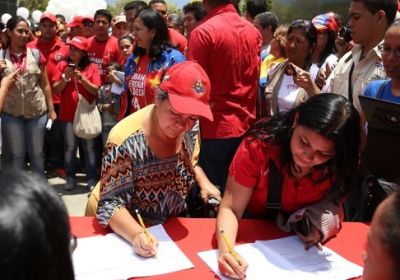
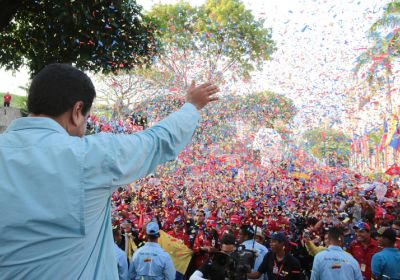
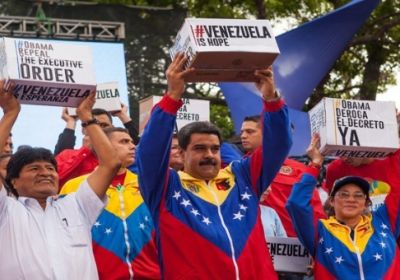
Venezuelan President Nicolas Maduro, along with his Bolivian counterpart Evo Morales, received a petition with 10 million signatures against U.S. President Barack Obama's executive order labelling the country as a “security treat” on April 9. After the decree was issued, Maduro launched a campaign seeking 10 million signatures from Venezuelans demanding the decree be repealed, saying he would present them to the U.S. President Barack Obama at the April 10-11 Summit of the Americas in Panama. -
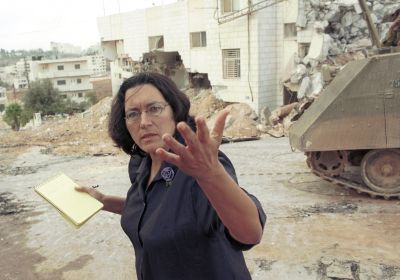
About 150 people filled the St Kilda Town Hall on April 7 for a public meeting with visiting Israeli journalist, Amira Hass. Hass is a veteran Israeli columnist and reporter, lives in the West Bank among Palestinians and works for Israeli newspaper Haaretz. The Australian Jewish Democratic Society organised the forum. -
The Venezuelan government-initiated campaign calling for US President Barack Obama to repeal his executive order that arbitrarily declares Venezuela an "extraordinary threat" to US "national security" had more than 6 million signatures as March 31. Venezuelan President Nicolas Maduro announced on his weekly television program that the campaign has collected 6.2 million signatures so far. “I believe that Obama's threat has awoken a great amount of love for what we are going for in our country,” said Maduro. -
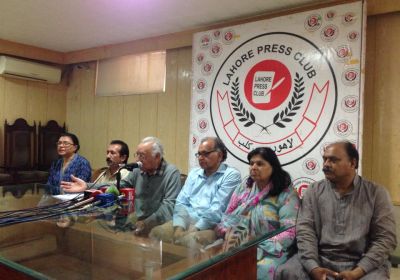
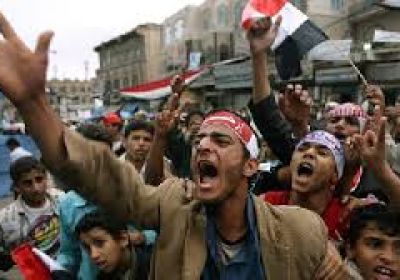
The following statement was released by Aasim Sajjad Akhtar, Punjab president of the Awami Workers Party, in response to the Pakistani government stating it intended to join the US-backed Saudi-led military intervention in Yemen. * * * -
Since US President Barack Obama's administration decided to impose new sanctions on Venezuela on March 9, many people, including journalists, have asked what motivated them to do this. Some are curious over the apparent inconsistency between this move and the White House decision in December to begin normalising relations with Cuba. Others are wondering why the Obama administration would do something that so obviously hurts the United States-backed opposition in Venezuela, at least in the short run. -
In the more than four years since mass uprisings ousted dictatorial regimes in Tunisia and Egypt, it can seem that the initial hopes represented by these mass movements lie in tatters. Libya, Syria, Yemen and Iraq remain mired in bloody armed conflicts that have led to the deaths of hundreds of thousands and displaced millions more within and across borders. In the pivotal case of Egypt, military rule has returned through the violent crushing of protests, the arrests of an estimated 40,000 people and the rebuilding of the repressive structures of the Hosni Mubarak era.