
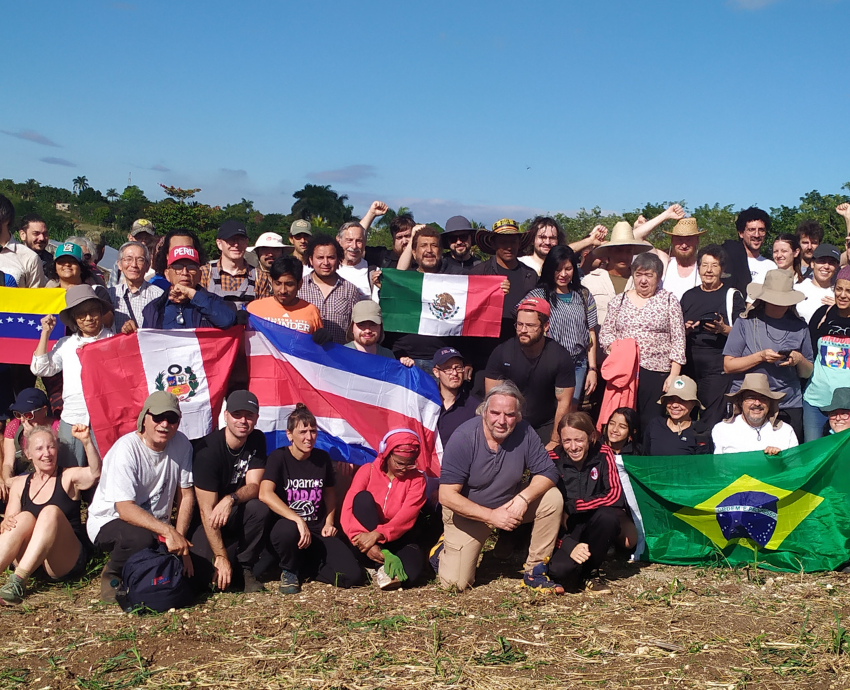
Prior to United States President Donald Trump launching a crippling oil blockade against Cuba and just days before the US invasion of Venezuela cut off oil supplies to the island nation, Marx del Rosario travelled to Cuba as part of the Southern Cross Brigade.
* * *
The Southern Cross Brigade (SCB) organises solidarity exposure tours to Cuba each year with participants from Australia and Aotearoa/New Zealand. It has developed deep ties with the Cuban Institute for Friendship with the Peoples (ICAP), founded by Fidel Castro's government in 1960, following the 1959 revolution that overthrew the Fulgencio Batista dictatorship.
The 41st Southern Cross Brigade travelled to Cuba from December 2025 to January 2026. Brigadistas lived and worked with the Cuban people, benefitting from conversations and lectures while touring the island’s western provinces.
Prior to the recent crippling oil blockade imposed by the US on Cuba on January 30, the country faced huge challenges in building its industrial base. While some leftists romanticise Cuba as a product of a successful revolution and know the names of revolutionary leaders such as Fidel Castro and Che Guevara, many do not appreciate the struggles and harsh realities of embarking on a socialist project.
The brigade heard from a Cuban economist, invited by ICAP, who outlined the four strategic sectors of the Cuban economy: energy, food production, biotechnology and transportation. These sectors are where the country allocates the most funding.
Energy critical
As in many economies, Cuba’s energy sector drives everything. Without adequate fuel, power plants, factories, hospitals and schools cease to function or are severely hampered in their operations.
Cuba produces approximately 3 million tons of oil each year domestically, which is mostly used to operate power plants. This oil supply is not enough for the production of basic needs. Cuba's domestically extracted oil also contains lots of sulfur; harmful to machines over time, so Cuba relies heavily on oil imports to power their industries.
Venezuela had been Cuba’s main supplier of oil for decades, with a favourable deal forged during President Hugo Chavez's government. This was suspended following the US military incursion. Russia and Mexico were supplying oil to Cuba up until February — albeit inconsistently, due to US threats.
On our visit to the capital, Havana and the four westernmost provinces of Pinar del Rio, Artemisa, Mayabeque and Matanzas, we passed hundreds of houses with solar panels on their roofs. China has provided Cuba with mass-produced solar panels, but the battery technology to use stored energy is still quite expensive.
Cuba started ramping up its solar power generation in early 2025. However, it remains to be seen how quickly it can work around the US blockade to power its industries with solar energy and other alternatives.
Impacts
Prior to Cuba losing access to Venezuelan oil in early 2026, the situation was already dire. There are regular scheduled blackouts — conscious measures taken by the government to conserve fuel used to generate electrical power. These blackouts can last from a few hours to half a day.
The public transportation system is almost nonexistent; public buses and train services are few and far between. We saw hundreds of Cubans along roads and highways, hoping privately-owned vehicles would give them a lift.
Uncollected rubbish is left piling up on streets, due to lack of fuel for garbage trucks.
Because Cuba relies on what remains of its tourism industry for a steady supply of hard currency in US dollars or Euros, places such as resort hotels experience almost no power interruptions, in contrast to urban areas.
Under the US economic blockade of Cuba, which has continued for 67 years (with a brief respite during the 2nd term of Obama), Cuba has no access to the global banking and electronic payments system controlled by the US.
Cuba needs hard currency to buy commodities the country doesn't produce, and this is severely limited by the companies willing to transact with it. When the US reinstated Cuba onto the list of state sponsors of terrorism back in 2021, several financial institutions left the country.
Colonial legacy
Food production is particularly challenging in former colonies such as Cuba, whose natural resources were plundered and human labour exploited in plantations. Centuries of Spanish colonial rule imposed sugarcane and tobacco production for export. Other export crops such as coffee were introduced by French slave traffickers who fled Haiti after the Haitian Revolution.
When the US took over from Spain as Cuba’s new colonial overlord in 1898, following the Spanish-American War, nothing was done to improve agriculture and land distribution. The introduction of modern machines and factories revolutionised production for the benefit of US companies, such as the United Fruit Company, and other foreign entities.
The 1959 Revolution significantly improved Cubans’ living conditions. However, the sugar industry carried on, with the Soviet Union and the Eastern Bloc importing Cuba’s sugar and bolstering its economy. The downside of this was felt decades later, with the soil's nutrients depleted from centuries of monocropping.
Agriculture and food production
After the dissolution of the Soviet Union in 1991, Cuba entered what it called its "special period" from 1991–2000. Having lost its major trading partner and chief source of goods and services, the economy plummeted. The lack of fuel and food imports resulted in involuntary weight loss of 4–6 kg for an average Cuban adult.
After recovering from the special period, Cuba decided to diversify food production techniques. It shifted to organic farming and diversification of crops. It developed a partnership with Vietnam in rice cultivation in 2003, with Vietnamese agricultural expertise aiding domestic rice production.
With rice production rates falling during the COVID-19 pandemic and only very slowly recovering since, Cuba last year granted privately-owned Vietnamese firm, Agri VAM, 1000 hectares of arable land to cultivate rice in Los Palacios, Pinar del Rio province.
Several countries in the world supply fertilisers to Cuba, among them The Netherlands, Spain, Colombia, China, Russia and Egypt.
With state-owned citrus farms failing due to pests and diseases, Cuba shifted from orange cultivation to guava and other tropical fruits. With the shift to organic farming came opportunities for agro-ecotourism, where tourists can visit farms as well as the main tourist attractions.
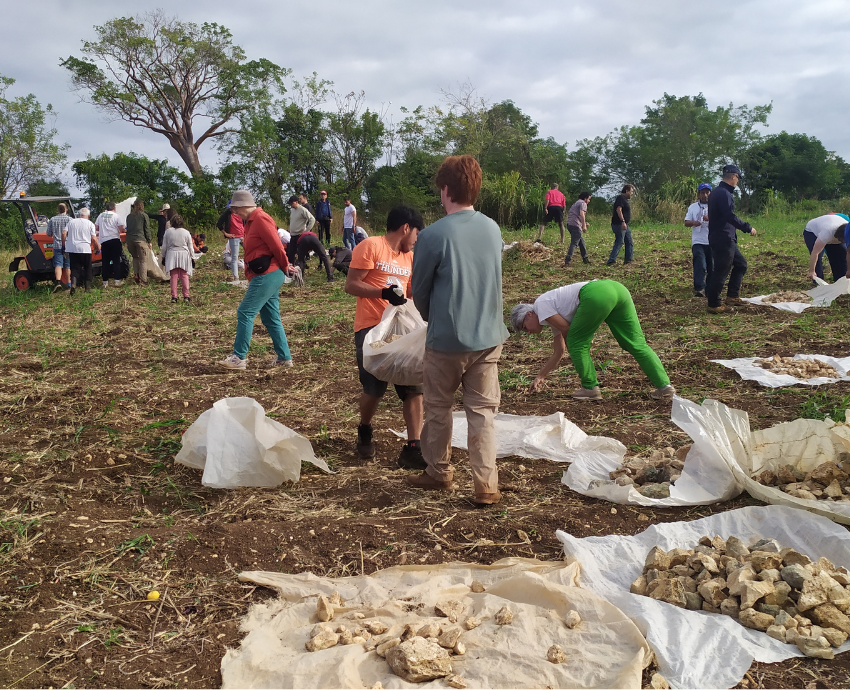
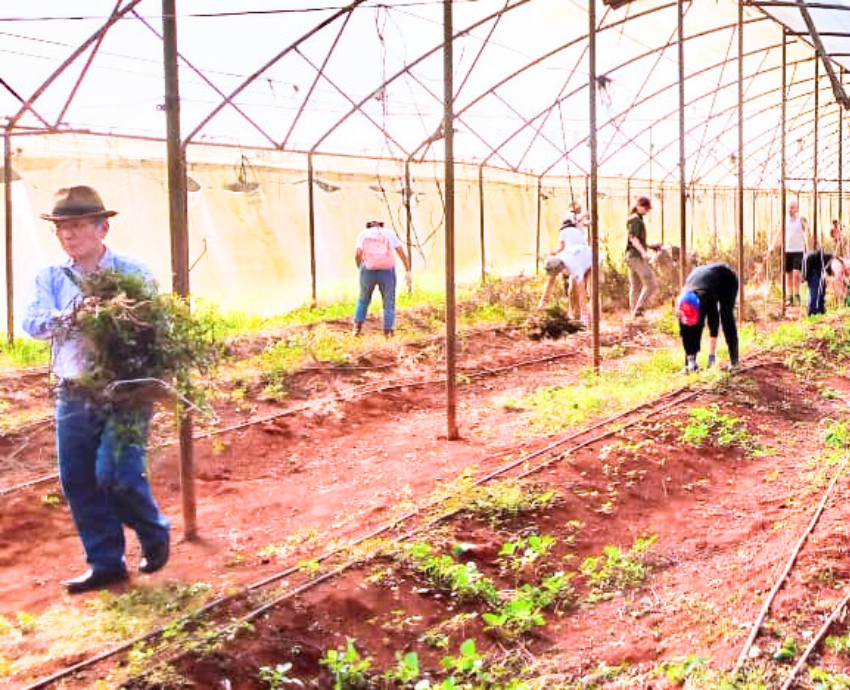
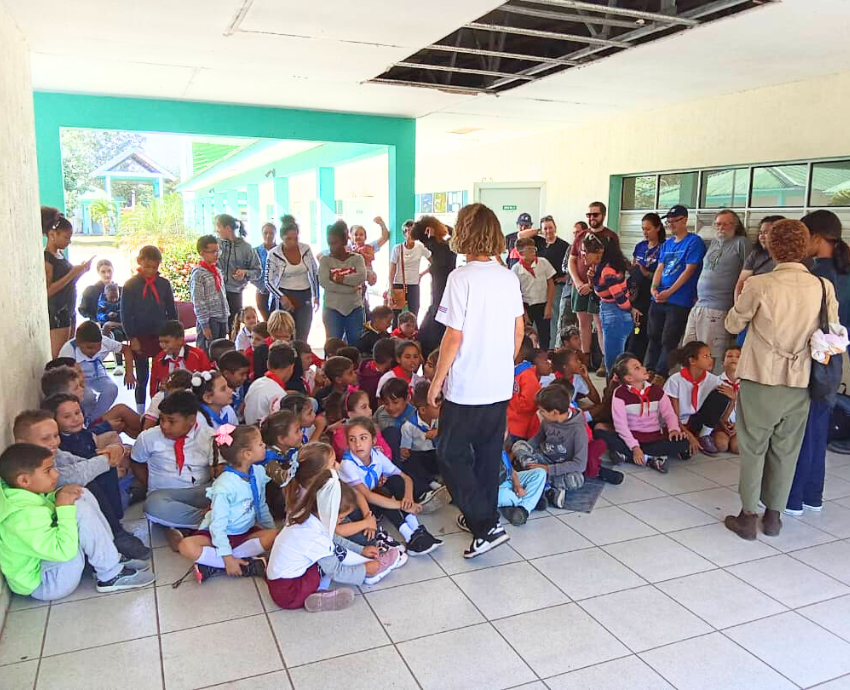
Brigadistas travelling to Cuba also visit farms to do volunteer farm work and learn about the country’s agriculture.
One of the challenges facing food production is that 80% of Cuba’s population is concentrated in cities and urban areas, compared to 20% in rural areas. Land for farming is provided free to every citizen who wants to produce their own food and can be used as long as its productivity is maintained. Despite this, there is a shortage of people in rural areas to work on farms for food production.
The US blockade also makes it incredibly difficult to import heavy machinery, which can offset the lack of farm workers. Organic farming has not yet reached adequate production levels to satisfy the population’s food requirements, and food items on Cubans’ ration cards are still mostly imported instead of grown locally.
Biotechnology
Cuba's early focus on eradicating illiteracy and democratising access to education enabled its people to achieve medical and scientific breakthroughs. Among these achievements are developing vaccines against meningitis, lung cancer and COVID-19. Cuba is developing a drug therapy for Alzheimer's disease, which is currently in clinical trials with promising results.
Cuba’s medical advances enable it to deliver excellent healthcare to the population and to neighbours near and far.
Operacion Milagro (Operation Miracle), a project to address vision impairment and blindness originally started in Venezuela in 2004, is an example of the solidarity between the two peoples. It was launched after Cuba assisted Venezuela with its own literacy campaign and expanded to Latin America, the Caribbean, and Africa following its massive success.
The success of Operacion Milagro has been so far-reaching that Mario Teran, the Bolivian soldier who executed Che Guevara in 1967, received treatment from Cuban doctors to get his eyesight restored. Forty years after the death of one of the heroes of the Cuban Revolution, socialism claims another victory, repaying brutality with humanity and care.
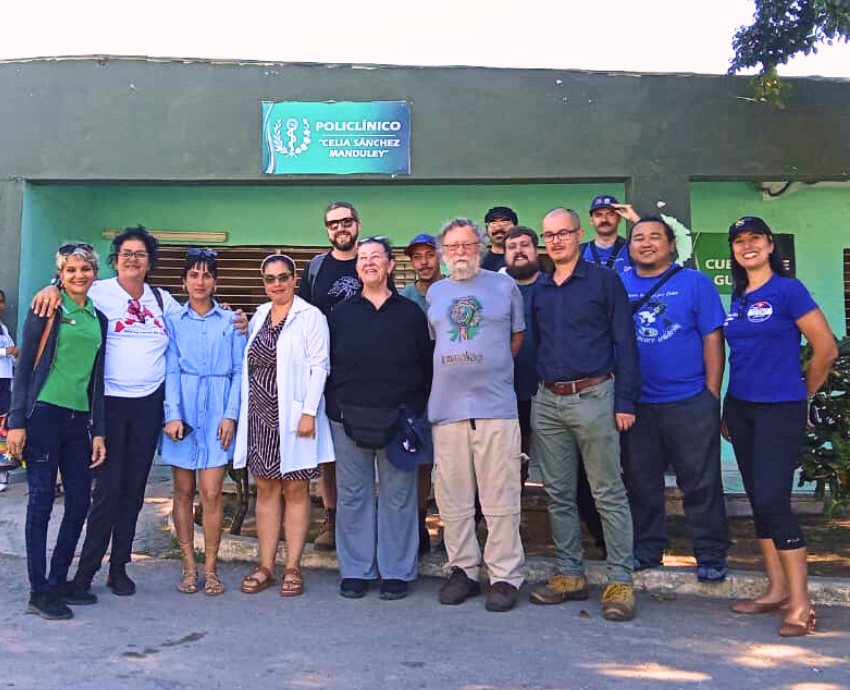
Cuban healthcare is world-class, despite shortages in basic medical equipment like hospital beds and supplies like cannulae and syringes due to the US blockade. During the height of the COVID-19 pandemic, two Swiss companies selling life-saving ventilators to Cuba were bought by US firms and made to cease all business with Cuba.
Cuban doctors who provide healthcare services to the poorest communities in Latin America have been under fire as well. The governments of Guatemala and Honduras recently terminated agreements with the Cuban government and sent home Cuban doctors, under pressure from the Trump regime. In Honduras’ case, the rationale given was that the medical mission was operating as “forced labour” and “human trafficking”.
The US wants to cut off all streams of hard currency going into Cuba and end the mutual benefits that come from these partnerships. The people losing access to healthcare are sacrificed yet again on the altar of US imperialism.
Transport
Cuba's transport sector hinges on the success (or failure) of Cuba's energy sufficiency plans. Brigadistas who travelled to Cuba before 1991 remember a public transportation system with affordable flat fares, made possible by sizable fuel subsidies from the Soviet Union.
During the special period, people used bicycles or walked long distances. Old cars were repurposed, some vehicle parts were even used to make carts and carriages drawn by horses or cattle. Cubans have maintained vehicles, buses and trucks decades past their prime years.
In recent years, tour buses have been supplied by China. Although these are more advanced in terms of capacity, technology and features, they are still not available to the general public for mass transportation and are mostly reserved for tourist agencies in partnership with the government. There are electric vehicles on the roads of Havana and other provinces, but these are privately owned, and power outages still limit their charging. There are smaller electric vehicles powered by solar panels, but these are not numerous enough to fulfill public transportation needs.
Cuba needs solidarity
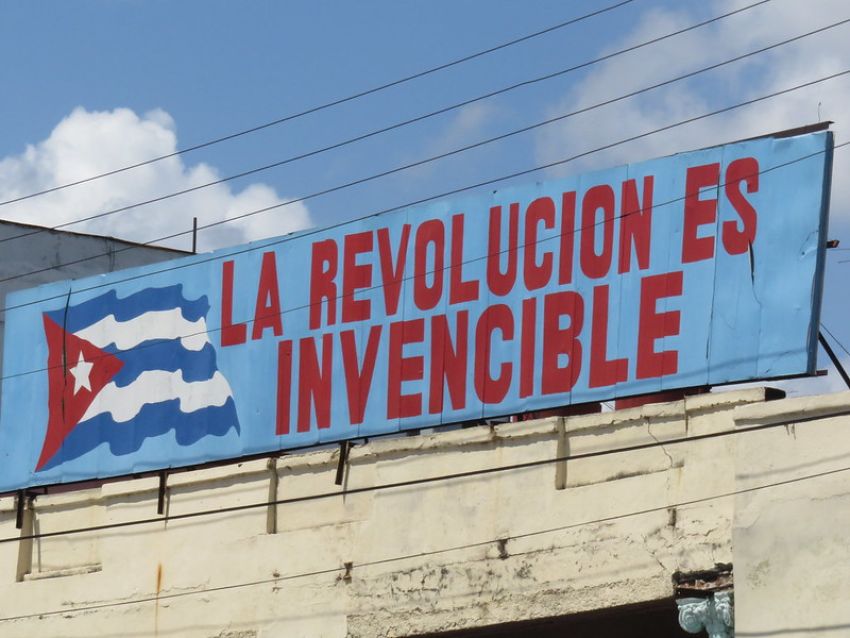
Cuba has faced countless challenges throughout its history. It is now facing its toughest one since the dissolution of the Soviet Union, much worse than the economic slump during the COVID-19 pandemic. The people still support their government; the vast majority of the country won’t be swayed to support a US-backed coup. The memory of the Cuban Revolution is still alive, especially as this year marks the centenary of Fidel Castro’s birth. Posters and banners are displayed around the country promoting the 100th anniversary, but the celebrations may not happen at all given the increasing hardships imposed by the intensifying US blockade.
Cuba’s present situation is not yet as catastrophic as Gaza’s. There are still institutions that keep society going, there is still access to clean water, and Cubans can still produce their own food somewhat — but without fuel for transportation, the food produced domestically won’t reach the people who need it.
Aid from Mexico and other countries may not reach as many people as it should. Price controls and government subsidies are reaching their limits. There is massive inflation, particularly in the black market. People’s access to food and other essentials is rapidly vanishing and there is a risk of the spread of disease due to lack of food, limited operations of hospitals and polyclinics, and the lack of rubbish collection.
Reportedly there is dialogue happening between Havana and Washington regarding the sanctions. Even during Fidel Castro’s time as leader, Cuba sought amicable relations with the US.
Those who have recently returned from Cuba report that people they spoke to there are questioning the government, wondering what is being done to alleviate the situation. Is it up to Cuba alone to extricate itself again from another major crisis? Are Cuba’s allies doing as much as they can to defy US imperialism? Sending supplies and aid is a temporary relief; however, what Cuba needs is for those countries voting in the UN to end the illegal blockade to finally stand up to the US and exert economic and diplomatic pressure collectively.
What Cuba has done to support national liberation movements and provide humanitarian aid around the world should not be forgotten.