-
-
-
-
-
-
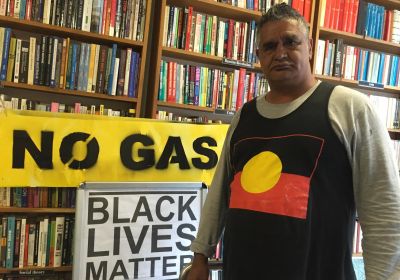
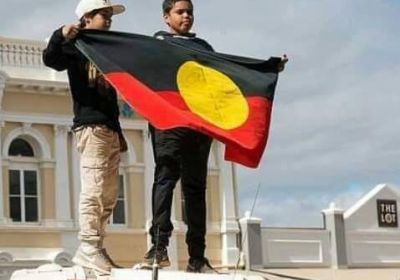 Racism is responsible for the murder of a young boy near Kalgoorlie on August 29. It is one of several recent examples that demonstrate that the sentiment behind the US #BlackLivesMatter movement is just as relevant in this country. National attention has focused on the case in large part because hundreds of people protested outside the Kalgoorlie courthouse on August 30. Windows were broken and police cars were damaged — small biscuits compared to the loss of a young boy's life.
 -
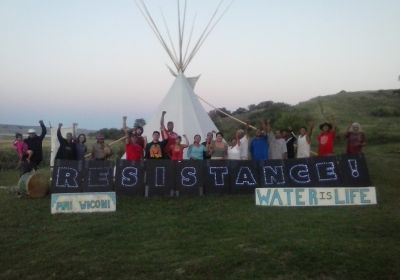
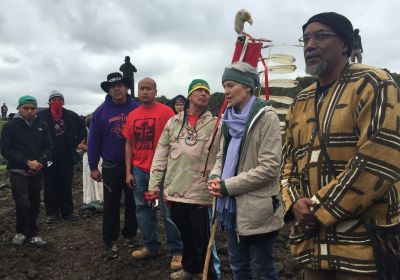
Growing in number and spirit, the Standing Rock Sioux protest against the Dakota Access Pipeline is swiftly gaining strength, as a federal hearing delayed a decision on the controversial project on August 24.
-
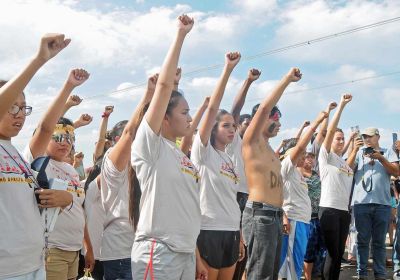
Despite ongoing resistance by the Standing Rock Sioux Tribe, a North Dakota federal court has ordered the indigenous group to stop their blockade protests against a US$3.8 billion oil pipeline.
-
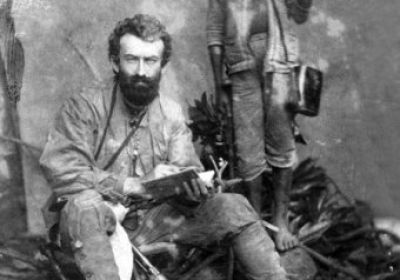 Nicholas Miklouho-Maclay (1846-1888) was a Russian anthropologist, biologist and explorer who lived and worked in Sydney for nine years and established himself as a respected member of the New South Wales scientific community.
 -
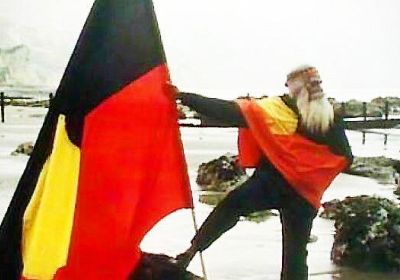 On January 26, 1988 - the bicentenary of the invasion of Australia - Burnum Burnum planted the Aboriginal flag under the white cliffs of Dover and took possession of England on behalf of the Aboriginal people.
 -
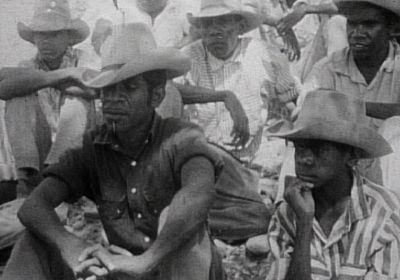 Fifty years ago this week, 200 Aboriginal stockmen and domestic servants walked off the job at Lord Vestey's Wave Hill cattle station, 600 kilometres south of Darwin. Most of them were members of the Gurindji people, with small numbers of Walpiri and other indigenous people. They were to stay out on strike for ten years.
 -
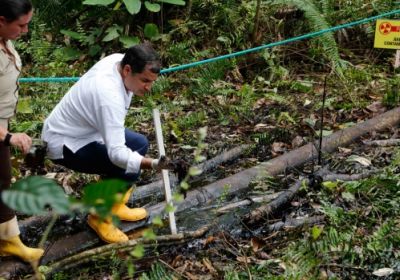
A United States federal appeals court ruled on August 8 in favour of the oil giant Chevron in a case that dates back more than 20 years. The ruling blocks an Ecuadorean indigenous community from collecting a judgement of nearly US$8.6 billion for environmental damage to the Amazon rainforest.
Indigenous
Indigenous