

Mary Merkenich writes that the long-standing sexist practice of covering up bad behaviour enables it to continue.
Mary Merkenich writes that the long-standing sexist practice of covering up bad behaviour enables it to continue.
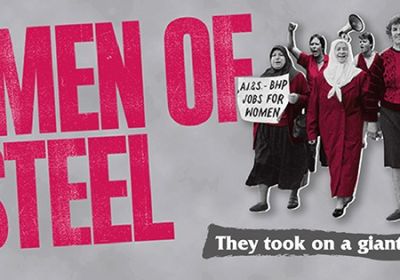
Denied jobs at Wollongong’s steelworks, working-class migrant women refused to accept discrimination. They began a campaign for the right to work that lasted for 14 years. Women of Steel tells their story, writes Kerry Smith.
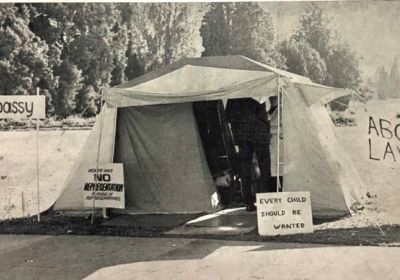
Few would know about the Women's Embassy outside Old Parliament House in Canberra which helped put the campaign for reproductive rights on the political agenda in Australia. Coral Wynter reports.
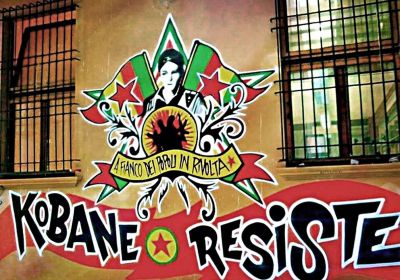
Supporters of the Rojava Revoluton in north and east Syria will commemorate the seventh anniversary of World Kobane Day on November 1, writes Peter Boyle.

Markela Panegyres uncovers some of the history of the Hyde Park Barracks, a former convict dormitory and Female Immigration Depot.
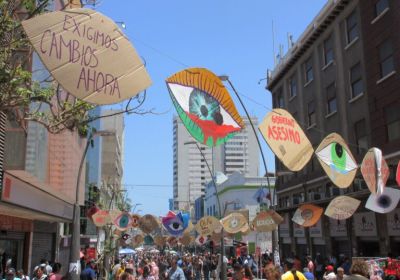
October 18 marked one year of mass protests for systemic change in Chile, and one year of brutal repression, writes Sandra Cuffe.

The Labor Party's dirty tricks department has sprung into action to try to thwart the Greens' insurgent campaign to win the seat of South Brisbane in the October 31 election, reports Alex Bainbridge.
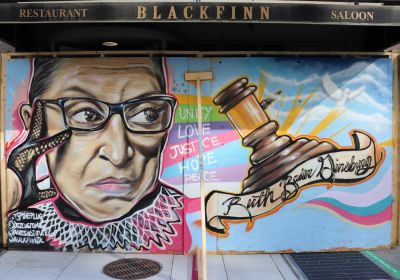
With the death of Supreme Court judge Ruth Bader Ginsburg, her iconisation has reached fever pitch, writes Benay Blend. But while she defended women's rights, she chose to ignore the rights of Palestinian and Indigenous peoples.

Frances Hamilton became an active feminist in the Women’s Liberation Movement of the 1960s and '70s. Here, she recounts some of her experiences from the grassroots movement that spearheaded so much change in women's lives.

Cairns local councillor and former Queensland MP Rob Pyne speaks to Green Left about his time in state parliament and why he is promoting socialism today.

The Brazilian government is moving to restrict access to legal abortion and intimidating health professionals, writes Marina Duarte de Souza.

The inaugural Green Left Feminist Walking Tour uncovered Sydney's little-known feminist and class-struggle history, recounts Rachel Evans.