
As images of children huddled in masses on immigrant detention centre floors along the US-Mexico border make headlines worldwide, the US government is responding with more of the same failed policies that have generated economic and social devastation in Central America spurring migration in the first place.
More than 52,000 children have been apprehended at the US border since October 2last year, most of them from El Salvador, Guatemala and Honduras, and many of them unaccompanied. At least 60,000 minors are expected to cross into the country this year.
-
-
 Scotland will vote on independence from Britain September 18. Despite a strong campaign by establishment figures for a “no” vote, polls showing growing support for independence, although still not a majority. Below, Colin Fox explains why Scottish independence will be a blow to austerity and a win for working people. Fox is the nation spokesperson for Scottish Socialist Party and a former member of Scottish parliament, and sits on the Yes Scotland advisory board.
 -
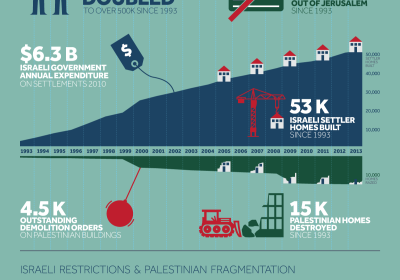 The world is focused on Israel's offensive against Palestinians in Gaza, with escalating air strikes and a massing of infantry units along the border for a threatened invasion in the wake of the discovery of the bodies of three teenage settlers. But Israel's use of violence and terror against Palestinians continues in the West Bank and Israel itself.
 -
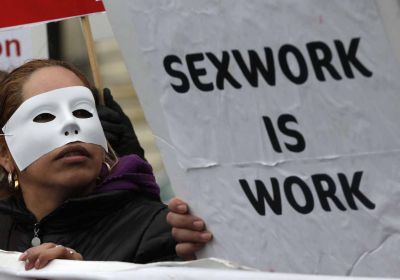 The Nordic Model is touted as a way to abolish the sex industry without harming or criminalising sex workers. Under the Nordic Model, at least in theory, providing sexual services in exchange for money is not criminalised, but paying for sexual services or living off the earnings of another’s sex work are criminal acts.
 -
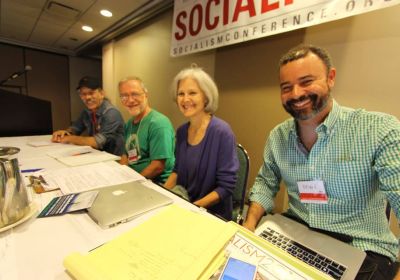 New red-green electoral alliances, a turn to ecosocialism and a deepening of the US International Socialist Organization's rethink on feminism were key features of its well-attended Socialism 2014 conference in Chicago. The gap between rich and poor in the US is large and growing. It has sparked a popular campaign for a minimum wage of US$15 an hour for low-paid workers, and in defence of jobs of teachers and other social service providers.
 -
 Brazil's Dance With the Devil Dave Zirin Haymarket Books, 2014 200 pages, US$16 With World Cup fever sweeping the world, mainstream media outlets faced a problem: how to relate to the fierce political battle taking place on the streets of Brazil over the future of their society. The media has been flooded with idealised caricatures of Brazilian society, complete with pristine white-sand beaches, a hypersexual citizenry and a rich, happy tapestry of cultural diversity.
 -
 Days of Israeli bombings had killed more than 100 people in the Gaza Strip by July 11, ElectronicIntifada.net said that day. The dead included many children. It comes after large-scale raids and many arrests in the occupied West Bank. In response to this drastic escalation in “collective punishment” of the Palestinian people, the Palestinian Boycott Divestment and Sanctions (BDS) national committee issued the statement below.
 -

Les Miserables Now playing in Melbourne www.lesmis.com.au Les Miserables tells two stories: one of personal love, the other of revolutionary passion. It is no surprise that most Western adaptations of Victor Hugo's novel have, when deciding what to cut and what to leave in, favoured the clasped hands of romance over the clenched fist of insurrection. The story we all know -- the one that is left after adaptation pares away everything else -- is that of Jean Valjean, the ex-convict who redeems himself through acts of charity.
-
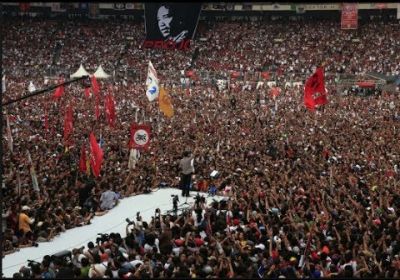 The official results of the July 9 Indonesian presidential elections are not expected till at least July 22, but many unofficial “quick count” surveys and exit polls have proclaimed a winner. Most of these unofficial polls have declared that former Jakarta governor Joko Widodo (popularly known as Jokowi) has defeated his sole challenger — sacked Suharto dictatorship general Prabowo Subianto — by a margin of up to 4%.
 -
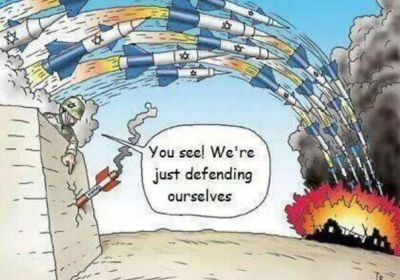 Less than two weeks after concluding its largest military assault on the occupied West Bank in more than a decade, Israel has relentlessly pounded the besieged Gaza Strip since July 7. The ongoing bombing campaign is the most severe violence inflicted by Israel on Gaza since its eight-day assault in November 2012, during which more than 150 Palestinians were killed, 33 of them children. More than 1400 Palestinians were killed in Gaza, including 350 children, during Israel’s three consecutive weeks of attacks from air, land and sea during winter 2008-09.
 -
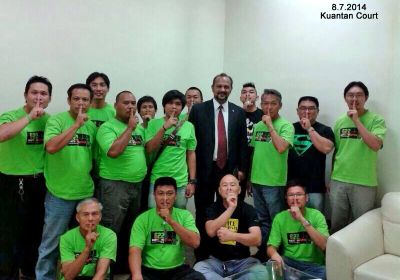 Australian environmental and international solidarity campaigner Natalie Lowrey was arrested and detained for six days in Kuantan, Malaysia for standing with Malaysian activists campaigning against Australian company Lynas Corp's toxic rare earth refinery near that city. At a peaceful protest of more than 1000 people outside the Lynas plant on June 22, 16 protesters were arrested and a number were injured by police, one very severely. Lowrey was released with no charge on June 27, the other 15 protesters faced court on July 8 on a variety of charges. She has since returned to Australia.
 -
Venezuela: Social programs expanded in poorest communities The Venezuelan government has initiated its policy of expanding social programs in the country’s most deprived areas in a bid to eradicate extreme poverty, Venezuelanalysis.com said on June 30. The initiative, called “Red Sundays”, involves teams of social program workers visiting poorer communities every Sunday to diagnose which households are deprived of certain basic needs and which social programs are required to attend to these needs.