-
-
-
 The Syrian Observatory for Human Rights (SOHR) says 4475 people were killed in the nation's horrific civil war during July. Of these, 1289 were civilians, including 263 children. Almost three quarters of these civilian casualties were killed in airstrikes by the government or its ally, Russia, and other attacks by the pro-government side, SOHR said. Since the Syrian Civil War began in 2011, more than 400,000 people have been killed, between 4-to-5 million people have left Syria as refugees and about 8 million have been internally displaced.
 -
 On the surface, it seems the war against ISIS in Syria is going well. On August 12, the town of Manbij was taken by forces of the Manbij Military Council (MMC) and the Syrian Democratic Forces (SDF). Then on August 24, the nearby border town of Jarablus was occupied by Turkish tanks and troops. Turkish forces were joined by Syrian fighters claiming allegiance to Islamist and other groups affiliated with the Free Syrian Army (FSA). In both instances, the US provided air cover. However, there the similarities end.
 -
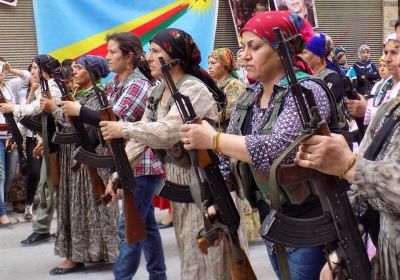
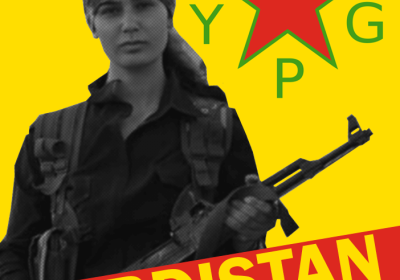
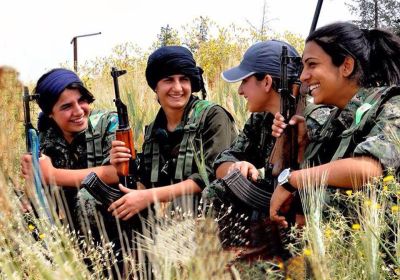 In largely Kurdish Rojava in Syria's north, a profoundly democratic and revolutionary experiment is underway. A multi-ethnic, feminist and socialist-oriented society is being built from the ground up, organised around communes and other bodies of participatory democracy.
 -
 Hawzhin Azeez is member of Kobane Reconstruction Board in the largely Kurdish area of northern Syria and a former politics lecturer at Newcastle university. In Rojava, a profoundly democratic and revolutionary experiment is underway. A multi-ethnic, feminist and socialist-oriented society is being built from the ground up, organised around communes and other bodies of participatory democracy.
 -
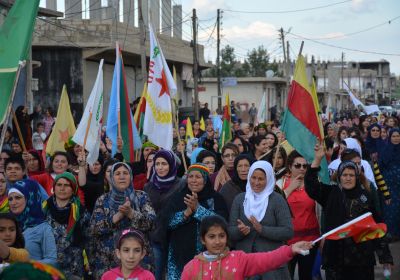
The Syrian Kurds and allied communities declared their areas the “Federation of Northern Syria and Rojava” on March 17, and announced that democratic federalism is a viable alternative to the detrimental politics of both the Syrian regime and the jihadist opposition.
-
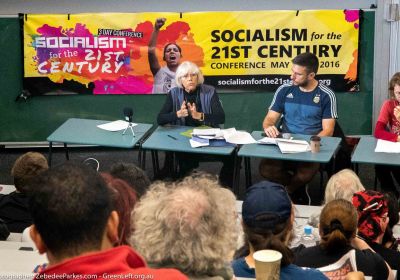 Sydney University campus came alive with political discussion, talks and workshops for three days during the Socialism for the 21st Century Conference, held over May 13–15. The conference had more than 30 sessions and 50 speakers, including international special guests Marta Harnecker, Michael Lebowitz and Ian Angus. Local and international activists shared their experiences of struggle and discussed the necessity of building alternatives to capitalism today. Up to 400 conference-goers faced the task of choosing from a range of stimulating sessions on offer.
 -
 Since a “cessation in hostilities” in Syria's multi-sided civil war was declared on February 27, about 6000 people have been killed in the conflict. This “cessation in hostilities” was brokered by the International Syria Support Group (ISSG), made up of the United Nations, the European Union and the Arab League and the governments of Britain, China, Egypt, France, Germany, Iran, Iraq, Italy, Jordan, Lebanon, Oman, Qatar, Russia, Saudi Arabia, Turkey, United Arab Emirates and the United States. The ISSG is co-chaired by the US and Russia.
 -
 On March 17, after a two-day meeting held in the town of Girkê Legê (Al-Muabbada) in Rojava (Syrian Kurdistan), a Constituent Assembly established a “Rojava-Northern Syria Democratic Federal System”.
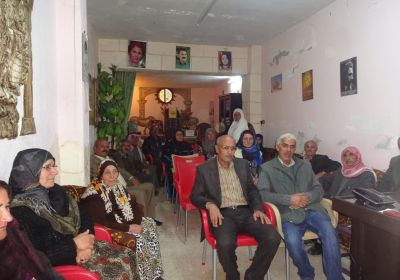
The Constituent Assembly was attended by 31 parties and 200 delegates representing Rojava's Kobanê, Efrîn and Cizîrê cantons and the Kurdish, Arab, Assyrian, Syriac, Armenian, Turkmen and Chechen peoples of Girê Spî (Tal Abyad), Shaddadi, Aleppo and Shehba regions.
On March 17, after a two-day meeting held in the town of Girkê Legê (Al-Muabbada) in Rojava (Syrian Kurdistan), a Constituent Assembly established a “Rojava-Northern Syria Democratic Federal System”.
The Constituent Assembly was attended by 31 parties and 200 delegates representing Rojava's Kobanê, Efrîn and Cizîrê cantons and the Kurdish, Arab, Assyrian, Syriac, Armenian, Turkmen and Chechen peoples of Girê Spî (Tal Abyad), Shaddadi, Aleppo and Shehba regions.
-
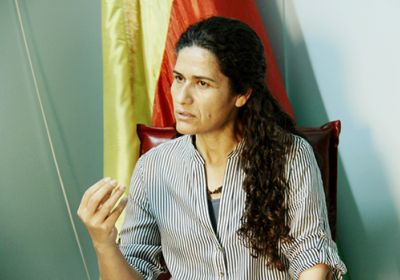 İlham Ehmed is Co-President of the Syrian Democratic Council, the political body with which the Syrian Democratic Forces (QSD) are affiliated, and a leading representative of the Kurdish-led Rojava Revolution in Northern Syria. She spoke to Firat News Agency on February 22 about the QSD's recent gains and Turkey's bombardment, and threatened invasion, of Rojava.
* * *
What is your evaluation of Turkey's recent escalated attacks on Rojava? -
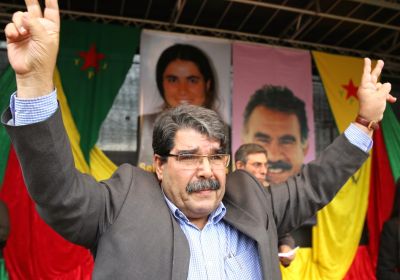 Indirect internationally-brokered peace talks in Geneva between the Syrian regime of Bashar al-Assad and a Saudi-backed coalition of some opposition groups were suspended on February 3 — just two days after they started. Associated Press said that day that “neither the government nor the opposition even acknowledged that the negotiations had officially begun”. Inside Syria, meanwhile, fighting intensified and the humanitarian situation deteriorated. Advances by government forces, backed by Russian air strikes, were the apparent cause for the talks’ collapse.
Rojava
Rojava