
Big Oil is fracking California, and it does not want anyone to interfere with the damage it does to the environment.
But as part of a nationwide “Summer Heat” campaign of environmental activists pledging to take action against the fossil fuel industry, groups are organising a festival, march and nonviolent direct action at Chevron's oil refinery in Richmond, California, on August 3 to demand environmental justice. Those taking part include 350.org, Richmond community groups, the NoKXL Actions Council and other allies.
-
-
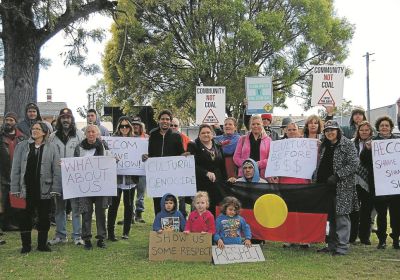 This statement was released by Gomeroi traditional owners of north-west NSW on July 8. *** More than 50 Gomeroi traditional owners, senior elders, elders, Aboriginal and non-Aboriginal community members and families have formed a picket line at Whitehaven Coal near Gunnedah in north-west NSW [on July 9] amid a stopwork action in protest against the Maules Creek coalmine and the incomplete and disrespectful cultural heritage process.
 -
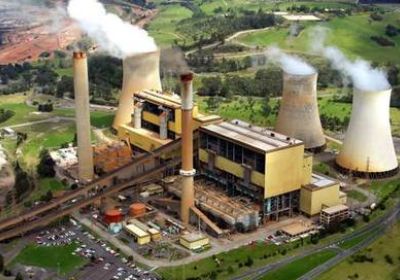 Environment Victoria released this statement on July 13. *** Environment Victoria has described news that the owners of Yallourn power station are seeking payment for closure as a desperate measure that is unlikely to succeed.
 -
The Conga gold and copper mining project is becoming one of Latin America’s most significant environmental battlefronts. It is pitting almost the entire population of the northern Cajamarca region of Peru against the invasive forces of the multinational mining industry and its governmental puppets in Lima. In recent years, there have been many strikes and protests. This has led to hundreds of arrests, scores of injuries and several protester deaths.
-
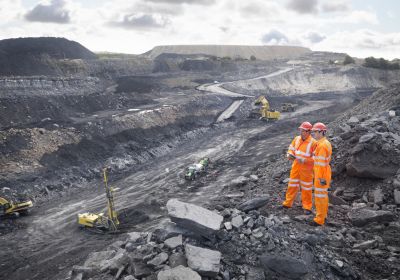 Most of Australia’s fossil fuel reserves — coal, oil and gas — must stay in the ground if we are to keep the climate below a 2°C rise and avoid catastrophic climate change, a new report by the Australian Climate Commission says. The report, The critical decade 2013: Climate change science, risks and responses released on June 15, said “the best chance for staying below the 2°C limit requires global emissions to begin declining as soon as possible and by 2020 at the latest.”
 -
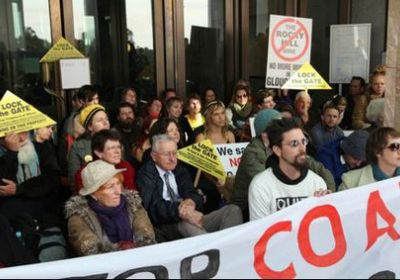 About 120 landowners from NSW and Queensland staged a sit-in at Parliament House in Canberra on June 20 to protest the federal government approval process for mining projects. It follows the Liberal and Labor parties voting down legal changes to give farmers the right to say “no” to mining on their land, despite a new opinion poll that shows 86% of people support giving landowners the right to refuse access to miners.
 -
Hundreds of protesters from the indigenous advocacy NGO Survival International gathered outside Peruvian consulates and embassies in London, Paris, Madrid and San Francisco on April 23. They had gathered to urge the Peruvian government to reconsider expanding the Camisea gas mega-project. Camisea’s Bloc 88, deep in the Amazonian jungles of south-eastern Peru, is thought to contain over 10 trillion cubic feet of gas.
-
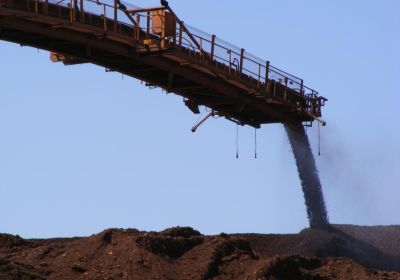
Economic forecasting agency BIS Shrapnel has reported that engineering work, spurred on by the mining boom, would be about $128 billion in Australia this financial year. It may be easy to suggest that, despite the rumours, the mining boom is set to continue long into the future. However, the report was quite downbeat. ABC Online said BIS Shrapnel predicted that a "slowdown in mining investment and its related infrastructure is expected to reduce activity by 5.4% next financial year … engineering construction will be 20% below this year's peak by 2016-2017."
-
“We want our country to be alive. We don't want it to be dead because that’s our country, that’s our spirit country, we come from that country,” said Aboriginal traditional owner Teresa Roe to a crowd outside Woodside's office on April 12. The gathering was a celebration after the announcement that Woodside Petroleum has shelved plan to build a liquid natural gas hub at James Price Point in Western Australia’s Kimberley.
-
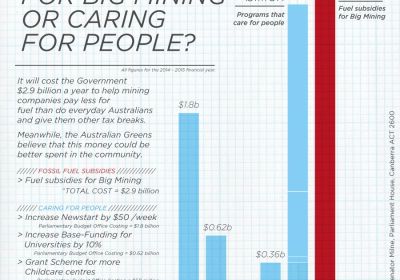 The Australian Greens have called on the federal government to end fossil fuel subsidies for big mining companies. The Greens say costings by the Parliamentary Budget Office show that Labor’s spending on fossil fuel subsidies for mining companies will cost the public more than $13 billion over the next four years. Included in these subsidies are diesel fuel tax rebates, accelerated depreciation on assets and accelerated depreciation on exploration.
 -
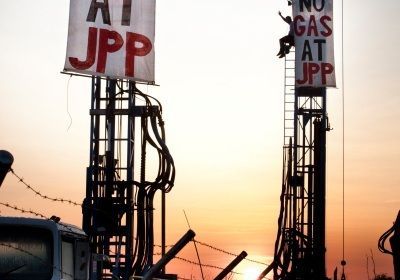 The Broome community and environmentalists around Australia are celebrating an important victory. Oil and gas producer Woodside Petroleum said it would not go ahead with a gas hub at James Price Point in the Kimberley. Long-time Broome resident Nik Weavers told Green Left Weekly: “We've got rid of the one big thing we set out to do, which was to stop the project, so I feel really excited about that.” Weavers, a member of the Broome No Gas group, said: “I feel really warmed that so many other people have gathered [in Broome] and are feeling really good.”
 -
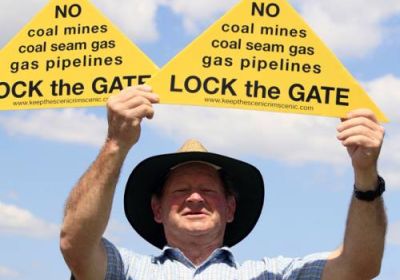 About 70 people attended a community forum in Adelaide on March 27 to learn more about plans for unconventional gas extraction in South Australia.