
Below is the text of a speech by Pip Hinman, Socialist Alliance candidate for Marrickville in the NSW state elections, to the Newtown Neighbourhood Centre candidates meeting on February 23.
***
I’d like to first acknowledge that we’re meeting on the land of the Gadigal and Wangal people of the Eora nation, and I pay my respects to their elders past and present.
The two most important issues in this state election is to call a halt to the privatisations of our public assets and to immediately start a shift away from using polluting coal or gas for our energy needs.
-
-
 In a humble local court in Newcastle on January 31, a major battle in the war on climate change began. A court is a theatrical space where we can overhear the clashing narratives around a central event. The defendants were six of the seven men and women from climate action group Rising Tide — dubbed the Rising Tide Seven. Posing as workers, they entered a Newcastle coal-loading facility before dawn on September 26 and locked themselves to the equipment 30 metres above ground. Work was brought to a halt.
 -
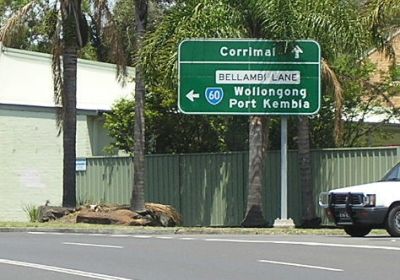 More than 60 people attended a public meeting in Russell Vale, north of Wollongong, on February 3 to oppose a massive coalmine expansion in their neighbourhood. The meeting was organised by Illawarra Residents for Responsible Mining (IRRM). Gujurat NRE, owner of No. 1 Colliery in Russell Vale, wants to expand the colliery's current output by 7.5 times — from 400,000 tonnes a year to 3 million tonnes.
 -
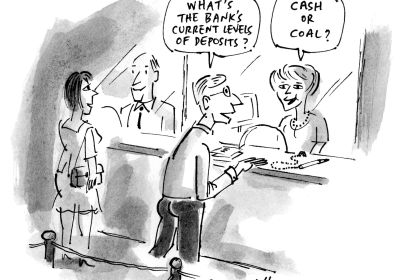 Members of environmental group Katoomba Climate Action Now (CAN) gathered on December 21 outside their local branch of the ANZ Bank to demonstrate, leaflet and chat with customers, staff and passers-by about coal. Recent research by Greenpeace has shown the bank is one of the most substantial and consistent investors in coalmining and coal-fired power stations in Australia. Environmental scientists regard coal as the dirtiest of power generation fuels because of its prolific carbon waste output.
 -
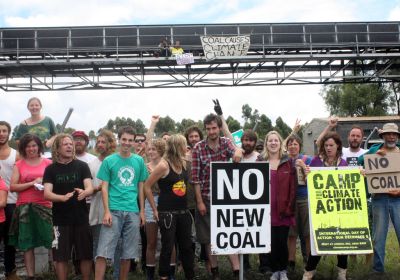 Seventy-three people who took part in a non-violent direct action protest during December’s Climate Camp appeared in Muswellbrook local court on January 31 to answer to charges under the Rail Safety Offences Act. Hundreds of climate protesters gathered at Climate Camp for five days of talks, debates and discussions on the best ways for the community to stop the proposed expansion of Bayswater coal-fired power station. The station is already one of Australia’s largest sources of greenhouse gas emissions.
 -
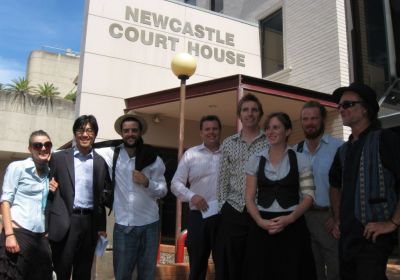 Seven climate activists who temporarily shut down coal loaders at Newcastle harbour in a September protest will wait another month to find out if they owe Port Waratah Coal Services (PWCS) $525,000 in “compensation”. The activists appeared in Newcastle Local Court for two days of hearings on January 31 and February 3. They were convicted of “remaining on enclosed lands”. Each was fined $300, plus $79 in court costs.
 -
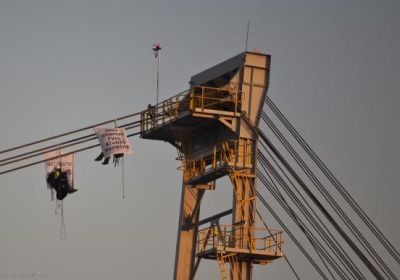 Greens MP David Shoebridge joined members of climate action group Rising Tide Newcastle at a press conference on January 28 to condemn Port Waratah Coal Services (PWCS) “victim’s compensation” claim of $525,0000 against seven protesters. PWCS is pursuing the claim in response to a peaceful protest organised in September 2010, which stopped coal loading in Newcastle port for almost 10 hours.
 -
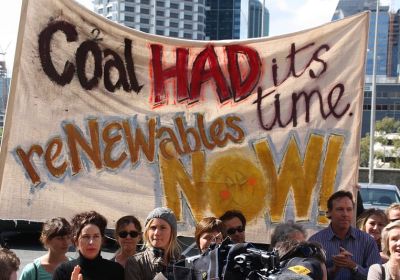 Margaret River, a town on the southwest coast of Australia, is an important agricultural area, supporting olive farms, dairies and livestock. It attracts tourists from all over the country eager to check out its famous beaches, forests, artists and wineries. But residents were shocked when news surfaced in July that a proposed coalmine will be built just 15 kilometres from the town centre.
 -
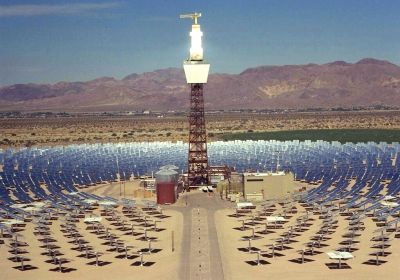 Newcastle and the Hunter region have a proud history of energy-related manufacturing. However, since the 1990s the sector has experienced a steady decline, born of decades of neoliberal, free trade policies that encouraged companies to move offshore. Presently, only 10% of the Hunter workforce is employed in the manufacturing sector. But climate change and the need for clean energy alternatives are opening new doors.
 -
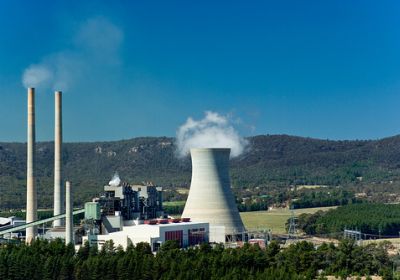 Testimony to the NSW upper house inquiry into the sale of NSW’s electricity assets has alleged that only a fraction of the $5.3 billion price tag will reach the public purse. Billions will be eaten up by “associated costs”. These costs include about $1.5 billion in government funds to buy a new coal mine north-east of Lithgow to ensure a cheap coal supply for the new private owners. A further $1 billion in coal price subsidies is guaranteed to the private energy companies over the life of the mine.
 -
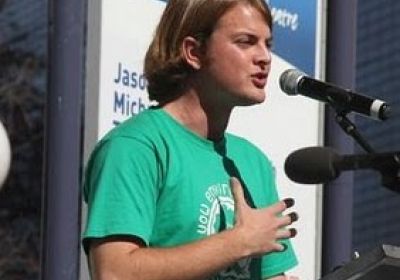 The article below is based on a speech by Socialist Alliance upper house candidate in the March NSW state elections Patrick Harrison. He spoke at the 'Carols at the Colliery', an action held on December 21 in Russell Vale (near Wollongong) to protest a proposed coalmine expansion. ***** The Socialist Alliance opposes all new coal development and infrastructure. It's what the science demands we do, and the alternatives to coal are ready to go. The expansion of the Gujarat NRE No.1 colliery is a threat to local residents' health and safety.
 -
 The Environmental Protection Authority (EPA) has delayed its decision on the controversial new coalmine proposed for Margaret River in Western Australia. The EPA decision was expected early January. Yet it has chosen to give the mining company LD Operations more time to provide more information. The EPA chairperson is now expected to make a decision at the end of February.