
 “Potentially the most widespread and globally synchronous anthropogenic signal is the fallout from nuclear weapons testing.”
Repeatedly, over hundreds of thousands of years, glaciers expanded south and north from the polar regions, covering much of the Earth with ice sheets several kilometres deep.
“Potentially the most widespread and globally synchronous anthropogenic signal is the fallout from nuclear weapons testing.”
Repeatedly, over hundreds of thousands of years, glaciers expanded south and north from the polar regions, covering much of the Earth with ice sheets several kilometres deep.
-
“Potentially the most widespread and globally synchronous anthropogenic signal is the fallout from nuclear weapons testing.”
Repeatedly, over hundreds of thousands of years, glaciers expanded south and north from the polar regions, covering much of the Earth with ice sheets several kilometres deep.
-
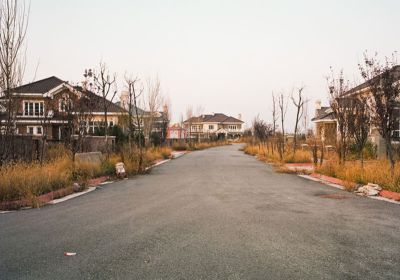 In 1978, Deng Xiaoping, who Mao Tse Tung called a “capitalist roader”, initiated an economic reform program labelled “market socialism.” Within two decades, China had managed to transition from a closed communist state to an open centre of dynamic capitalism with the greatest economic growth rates in human history. After the onset of the Global Financial Crisis (GFC) in 2008, China immediately injected $US586 billion into its economy in classical Keynesian counter-cyclical stimulus spending. The next year, it began the largest fixed investment stimulus program the world has ever seen.
 -
 Tamils protest for the release of political prisoners. Colombo, October 2015.
When Maithripala Sirisena was elected as president of Sri Lanka in January last year, he promised to end human rights violations by the security forces.
Under Sirisena's predecessor, Mahinda Rajapaksa, it was common practice for the army and police to abduct people and torture them. Some were later released, while others were murdered.
Tamils protest for the release of political prisoners. Colombo, October 2015.
When Maithripala Sirisena was elected as president of Sri Lanka in January last year, he promised to end human rights violations by the security forces.
Under Sirisena's predecessor, Mahinda Rajapaksa, it was common practice for the army and police to abduct people and torture them. Some were later released, while others were murdered.
-
 Devastation wrought by the Turkish state in Sur, Diyarbakır.
Members of the European United Left/Nordic Green Left (GUE/NGL) condemned massacres of Kurds by the Turkish state in a debate in the European Parliament on January 20.
Devastation wrought by the Turkish state in Sur, Diyarbakır.
Members of the European United Left/Nordic Green Left (GUE/NGL) condemned massacres of Kurds by the Turkish state in a debate in the European Parliament on January 20.
-
2015 the hottest year on record Last year smashed the record for the hottest year since reporting began in 1850, according to the first full-year figures from the world’s three principal temperature estimates.
-
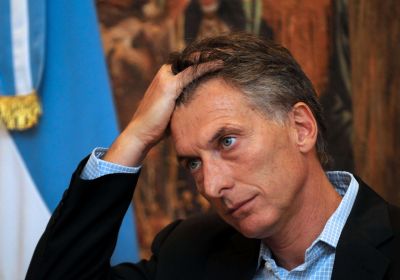 Every year from around Christmas through to February, Argentina is wrapped in a summer trance. The usual, frenzied pitch of city centres is muffled as if by vast blankets of cotton and sticky heat. Families find reprieve from work by travelling to the coast and mountains, visiting distant family and towns in the interior. This lull often translates into a dialling-down of class struggle. There are fewer and smaller mobilisations, strikes and political activism.
 -
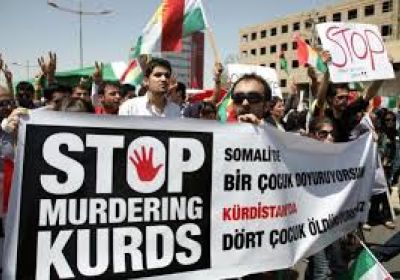
Left-wing members of the European parliament have called on the European Union to pressure the Turkish government to immediately end its attacks against the Kurdish community in northern Kurdistan (southeast Turkey).
-
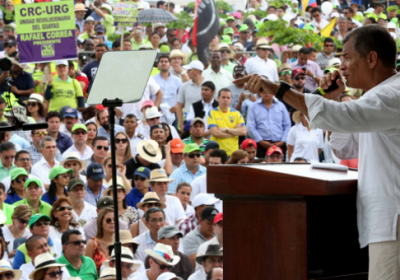
“We are celebrating nine years of reborn hope, of fulfilled promises and of homeland for all,” Ecuadorean President Rafael Correa told crowds at an event marking the ninth anniversary of the start of the country's “Citizen's Revolution”.
-
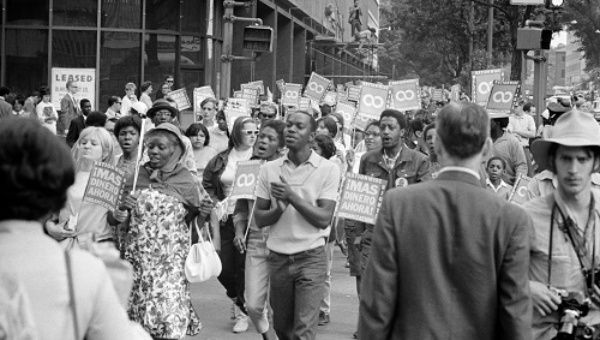 Poor People's March at Lafayette Park on June 18, 1968, in Washington, DC. Photo: Kairos.
On the third Monday of January, the US marks Martin Luther King Day with a federal holiday celebrating his contribution to the civil rights struggle.
Poor People's March at Lafayette Park on June 18, 1968, in Washington, DC. Photo: Kairos.
On the third Monday of January, the US marks Martin Luther King Day with a federal holiday celebrating his contribution to the civil rights struggle.
-
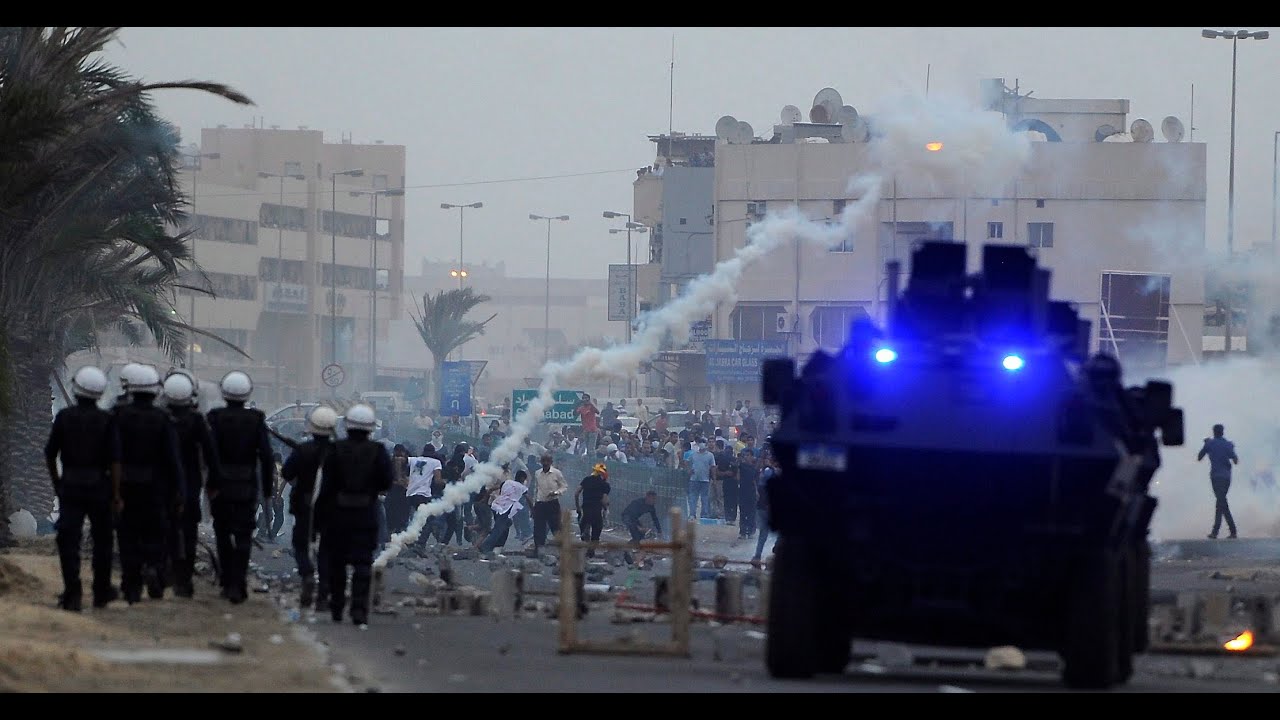 Police violently crack down on protests in Bahrain against al-Nimr's execution.
The West's response to public beheadings carried out by the Saudi state is extremely muted, especially in comparison with the way public beheadings by ISIS are highlighted in Western propaganda.
Police violently crack down on protests in Bahrain against al-Nimr's execution.
The West's response to public beheadings carried out by the Saudi state is extremely muted, especially in comparison with the way public beheadings by ISIS are highlighted in Western propaganda.
-
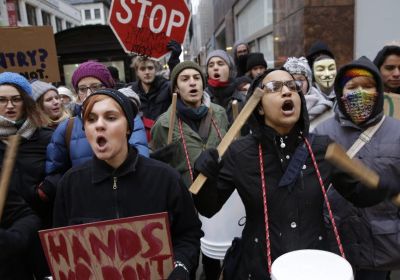
Across the country, police murders of Black people continue apace — as do prosecutors' failure to charge the killers, getting hung juries at best.
-
 The dramatic declines on financial markets at the start of the new year have revived fears that another economic slump could be in the cards for 2016 — even though working people around the world are still suffering the effects of the Great Recession the last time around.