
Sick of the manipulative, increasingly policy-free barrage of major party negative advertising in the race to the August 21 Australian federal election?
-
-
On August 16, Darwin was the venue for a screening of Our Generation, a landmark new documentary about the plight of Aboriginal people in the Northern Territory living under the repressive NT intervention. The film focuses on the effects of the intervention on the Yolngu people of East Arnhem Land, which coincided with a move by the NT Labor government to move people off traditional homelands and into larger towns (the “hub town” policy).
-
 After a successful strike and picket line on August 8, Victoria University’s (VU) vice chancellor, Liz Harman, agreed to negotiate on pay and conditions. Until then, senior management had demanded that promised pay rises this year be in return for abandoning regulation of workloads in the current enterprise bargaining round. The National Tertiary Education Union Branch (NTEU) has now suspended its bans on releasing results. Stood down union members have been reinstated.
 -
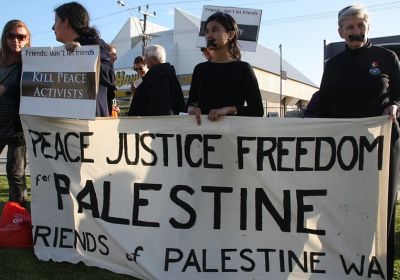 If imitation is the greatest form of flattery, Friends of Palestine (WA — FOPWA) must be doing something right: Friends of Israel (WA) was launched on August 8. The group’s website is a mix of nationalism and barely concealed racism. “Israel is in the front lines of the global battle between those who love life and those who glorify death”, it says. The launch took place at the Victory Life Centre, a fundamentalist Christian church, in Osborne Park, Perth.
 -
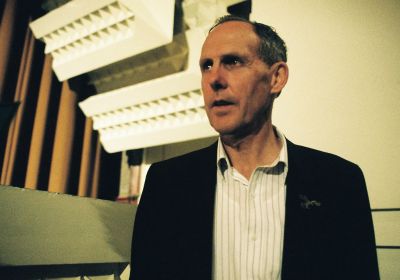 The Greens could have more power in the Australian parliament than ever before, after the federal election on August 21. Achieving the balance of power in the Senate is within reach for the Greens, meaning that the government would have to negotiate an agreement with either the opposition party or the Greens to pass legislation. The Greens currently share balance of power with Family First Senator Steve Fielding and independent Nick Xenophon. “We have shown a responsibility that the Coalition has shunned”, said Bob Brown, leader of the Australian Greens.
 -
 For many union leaders afraid of a Coalition victory on August 21, campaigning against Tony Abbott in the federal election simply means campaigning for Julia Gillard. With a conservative win on the cards, unions have escalated their pro-ALP campaigning. The Australian Manufacturing Workers Union (AMWU) — which has filled Labor’s coffers with more than $340,000 for the election campaign — has enlisted officials for ring-arounds in marginal seats.
 -
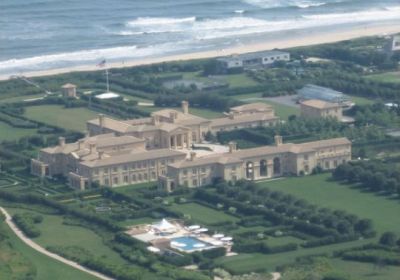 In Australia, the question of environmental protection has increasingly been linked to the need to reduce or contain the nation’s population level size. This is often tied to the argument that the high level of consumption in First World countries is unsustainable.
 -
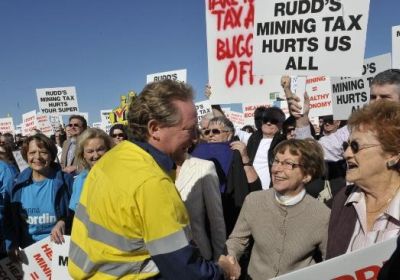 “Businesses like making profits”, said Labor leader Julia Gillard on ABC’s Q&A on August 9. She was explaining why Labor opposed the Coalition’s proposal to raise the company tax rate by 1.5%. “If they’ve got to pay more tax and that’s going to cut into their profits, then they’ll think of a way of adding a bit more profit. “What’s the best way of adding a bit more profit in? They put up prices. “It, you know, just stands to common sense reason, doesn’t it?” The Greens lead NSW senate candidate Lee Rhiannon agrees.
 -
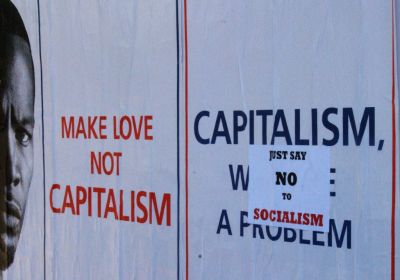 “In the end, capitalism is the only viable system we have for organising our economy”, said Lucy Turnbull, business person, former mayor of Sydney and partner of former Coalition leader Malcolm Turnbull at the iQ2 debate in Sydney on August 10 on the topic “Only capitalism can save the planet”. Turnbull was the only politician to make the Business Review Weekly's 2010 Rich 200 list this year. Well, she would think that, wouldn't she?
 -
 In his influential 1985 book Abandon Affluence, radical Australian sociologist Ted Trainer made the argument that the capitalist economies of the rich world, and the wasteful consumer culture they spawned, were unsustainable and the ecological limits of capitalist growth were fast approaching.
 -
 Australia role in Israel’s demolition?
 -
 “Lunchtime midweek in Campbelltown’s main street in the heart of western Sydney is a slow-moving affair”, the Australian’s Jennifer Hewett wrote on July 23. “Cars drive in and out of the one-way street at a leisurely pace. Business is not exactly booming in most of the small, tired-looking shops. There’s plenty of room on the footpath for pedestrians.”