
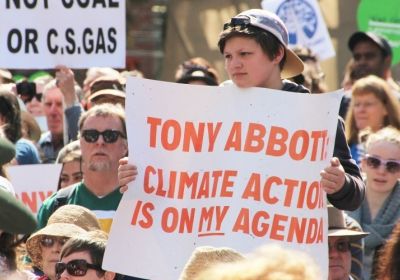
With the Paris climate talks just around the corner it is timely to consider what effective policies to cut emissions might look like. Nationalisation and direct public investment are key policies that have historically been “bread and butter” political demands both for socialists and for the more radical voices within social democratic parties.
Climate activists from the Greens and Labor Environment Action Network should revisit these ideas, as they are a useful alternative to the dead end that is carbon trading.
Direct public investment
 Statue of Guaicaipuro. Photo: Correo del Orinoco.
A statue of Caribe indigenous resistance hero Guaicaipuro was unveiled on October 12 by Venezuelan President Nicolas Maduro to commemorate the Day of Indigenous Resistance.
Guaicaipuro, an indigenous chief of the Caribes, led one of the most successful resistance campaigns against invading Spanish colonial forces throughout the 1560s and is revered by many of Venezuela’s grassroots movements.
Statue of Guaicaipuro. Photo: Correo del Orinoco.
A statue of Caribe indigenous resistance hero Guaicaipuro was unveiled on October 12 by Venezuelan President Nicolas Maduro to commemorate the Day of Indigenous Resistance.
Guaicaipuro, an indigenous chief of the Caribes, led one of the most successful resistance campaigns against invading Spanish colonial forces throughout the 1560s and is revered by many of Venezuela’s grassroots movements.
 Workers from Venezuela's 'housing mission', which is building large numbers of public housing, march on Venezuela's independence day, July 5. Photo from
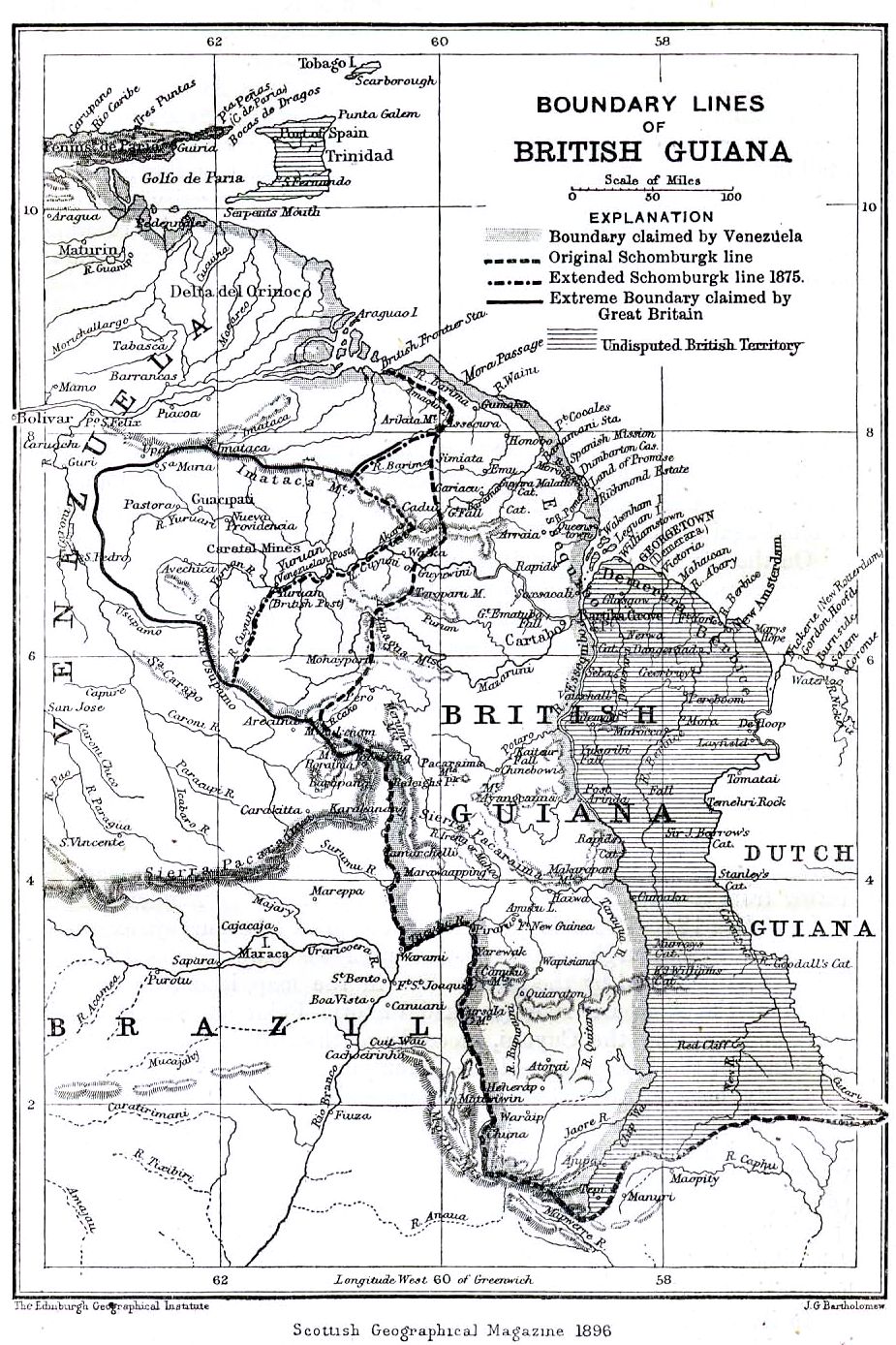 It all began in 1835 when the British Empire sent a German-born naturalist and explorer to conduct geographical research in the South American territory it had colonised and named British Guiana.
In the course of his explorations, a map was drawn that well-exceeded the original western boundary first occupied by the Dutch and later passed to British control.
It all began in 1835 when the British Empire sent a German-born naturalist and explorer to conduct geographical research in the South American territory it had colonised and named British Guiana.
In the course of his explorations, a map was drawn that well-exceeded the original western boundary first occupied by the Dutch and later passed to British control.

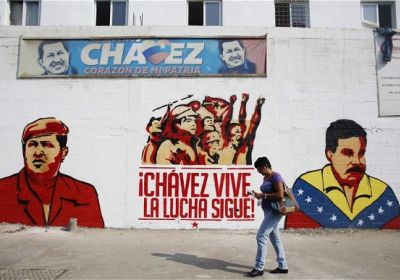
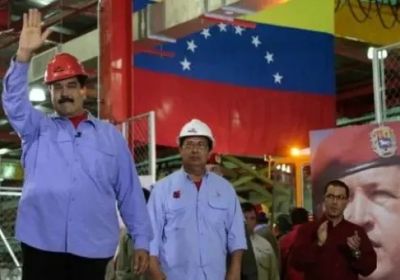
 Venezuela's president, Nicolas Maduro, speaks to the National Assembly in Caracas about the Guyana border dispute. Photo: AVN.
Venezuelan President Nicolas Maduro says the giant oil company Exxon-Mobil and other oil lobbies have been working to undermine his nation's relations with the Caribbean, especially neighbouring Guyana.
Venezuela's president, Nicolas Maduro, speaks to the National Assembly in Caracas about the Guyana border dispute. Photo: AVN.
Venezuelan President Nicolas Maduro says the giant oil company Exxon-Mobil and other oil lobbies have been working to undermine his nation's relations with the Caribbean, especially neighbouring Guyana.
 Supports of the 'no' vote celebrate in Athens on the night of July 5.
Leaders of Latin American left-wing governments have congratulated the Greek government and its people after Greece's historic July 5 referendum. Voters rejected debt austerity proposals by Greece's European lenders.
Venezuelan President Nicolas Maduro said: “The ‘no’ vote in Greece is a victory against the financial terrorism carried out by the International Monetary Fund (IMF).”
Supports of the 'no' vote celebrate in Athens on the night of July 5.
Leaders of Latin American left-wing governments have congratulated the Greek government and its people after Greece's historic July 5 referendum. Voters rejected debt austerity proposals by Greece's European lenders.
Venezuelan President Nicolas Maduro said: “The ‘no’ vote in Greece is a victory against the financial terrorism carried out by the International Monetary Fund (IMF).”