-
-
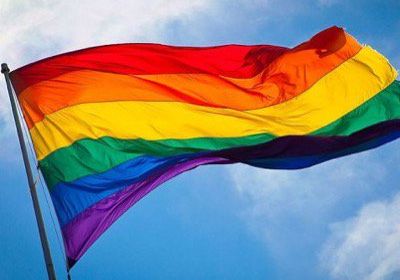
The United States has been criticised for voting against a United Nations resolution that sought to eliminate the death penalty for the LGBTIQ community. The US was among 13 nations including Saudi Arabia and Iraq to vote down the resolution.
-

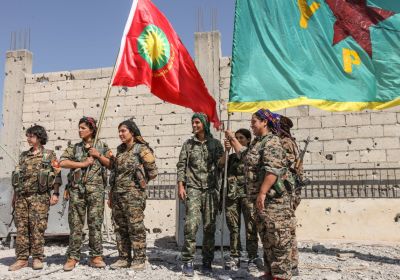
The world media’s attention has focused on the very real humanitarian crisis gripping hurricane-ravaged nations in the Caribbean and regions of the United States, but the “world’s worst humanitarian catastrophe” (in the words of The New York Times in August) is in Yemen.
-

The award-winning Netflix animated black comedy show BoJack Horseman follows the misadventures of BoJack Horseman (Will Arnett), an anthromorphic horse and washed-up former TV star trying to remain relevant in Hollywoo (formerly Hollywood, until the “D” on the famous sign gets stolen).
-
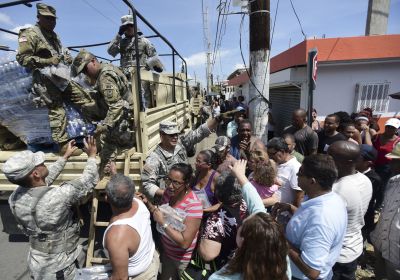
Puerto Rico is facing a huge humanitarian crisis after being hit by two super-strong hurricanes. It suffered a glancing blow by Irma and then a direct hit by Maria, both storms greatly strengthened by warmer ocean water caused by climate change.
The crisis is still unfolding weeks after Maria hit. The full picture and extent of the damage will not be known for some time.
-
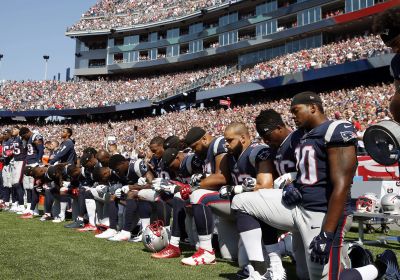
One year ago, Colin Kaepernick, then-quarterback for the San Francisco 49ers National Football League team, refused to stand for the US national anthem, famously kneeling instead. He was alone in his protest.
Over the weekend of September 23-24, tens of millions of football fans watched on TV as 200 mostly Black players knelt or raised their fists while the national anthem was sung. The rest of their teams stood in solidarity with their right to protest, arm-in-arm. In some cases, entire teams stayed in the locker room while the anthem played.
-
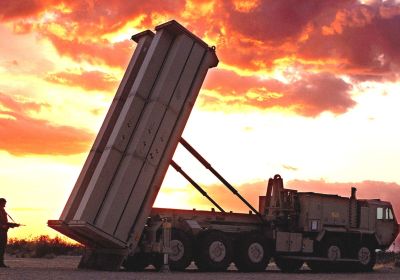
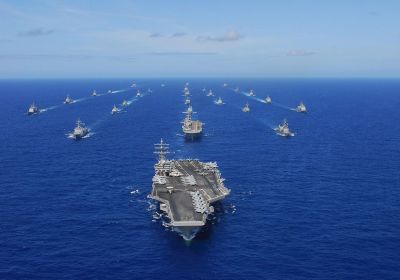
Over the past three months, the world has watched the escalating tensions between North Korea and the United States with growing alarm. North Korea has continued to develop its nuclear weapons program since first testing an intercontinental ballistic missile (ICBM) on July 4.
It is unlikely either side is planning to start a nuclear war, but the situation could escalate out of control and lead to a conflict involving nuclear weapons. This would have unthinkable humanitarian and environmental consequences.
Yet the arms companies that make such a conflict possible are benefitting from the increased threat of nuclear war, along with their investors.
-
-
-
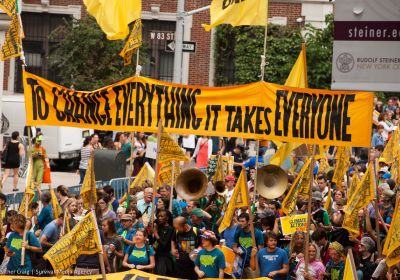
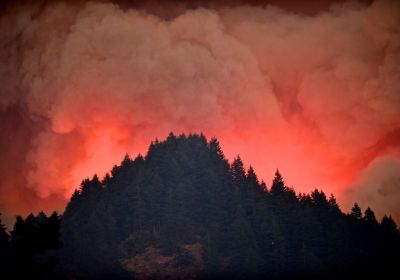
The devastating hurricanes that hit the southern US and the Caribbean, and the catastrophic flooding in South Asia, have highlighted the worsening reality of global warming-related extreme weather.
The worsening reality of weather-related disasters was explicitly recorded in a little-noticed United Nations Office for Disaster risk reduction report The Human Cost of Weather-Related Disasters: 1995-2015. The report noted that both the number of extreme-weather events, and the number of people affected, has risen dramatically over the past two decades.
-
-
United States
United States