
Despite escalating rhetoric and sectarian violence, it seems for the time being NATO is not planning a direct military assault against Syria along the lines of its attack on Libya last year.
If NATO had been looking for a pretext for such an assault, the June 22 shooting down by Syrian forces of a air force F4 phantom jet belonging to NATO member Turkey provided one ― notwithstanding evidence the plane was shot down in Syrian airspace.
-
-
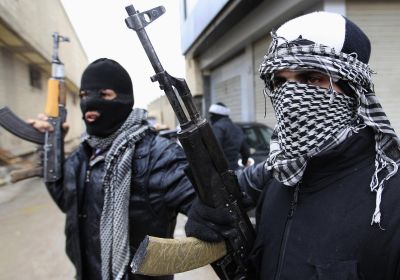 The United Nations estimated in March that in the year since the Syrian uprising began, 9000 people had been killed, most by the regime of President Bashar Assad. However, the opposition’s share of the killing has been rising. Wthin the Syrian opposition, the non-violent intifada has been increasingly overshadowed by sometimes foreign-backed armed groups and religious extremists, who have begun carrying out suicide bombings.
 -
Syria has been rocked by fresh violence despite the agreement of all five permanent United Nations Security Council members and the Syrian government to a six-point peace plan. The plan calls for a “Syrian-led political process to address the aspirations and concerns of the Syrian people”. Unlike previous Western-backed initiatives, the proposal does not call for the resignation of Syrian President Bashar Assad. It calls on the regime to release arbitrarily detained people, ensure freedom of movement for journalists and to respect freedom of association.
-
The Western media reported on March 3 that the rebel city of Homs had fallen to forces of the Assad regime after a bloody 26-day siege. There were reports of a humanitarian disaster in the city and widespread killings.
-
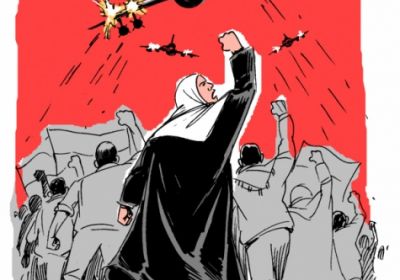 The US response to the uprisings in the Arab world remains deeply hypocritical. “It is time to stop the killing of Syrian citizens by their own government,” US President Barack Obama said at a February 24 meeting in Tunis of the representatives of 60 countries, led by the Western powers and their Arab allies. The group cynically called itself the “Friends of Syria”. Secretary of State Hillary Clinton took the opportunity to lash out at the US’s main global competitors, Russia and China.
 -
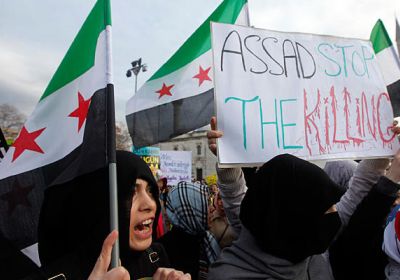
The United Nations estimated early last month that more than 5400 people had been killed since protests against the dictatorship of Syrian President Bashar al-Assad began in March last year.
-
The Syrian government of Bashar Al-Assad looks prepared to fight to the death in its brutal battle against pro-democracy protesters who have been calling for the downfall of the regime since March. The death toll has spiked in recent weeks. LCCSyria.org said on November 16 that 376 people had been killed since the regime agreed on November 2 to a “peace plan” drawn up by the Arab League — a group of 22 countries led by Saudi Arabia.
-
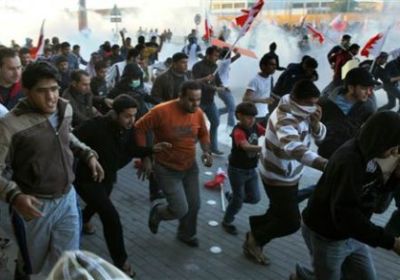 While the mainstream media have focused on the fall of Muammar Gaddafi's regime in Libya, democracy movements in Yemen, Syria and Bahrain have deepened despite severe repression. Hundreds of thousands of people rallied in Yemen's capital Sana'a on September 4, MorningStarOnline.co.uk said the next day. They demanded the removal of President Ali Abdullah Saleh. Thousands were prevented from rallying by military roadblocks. Five protesters were wounded when government troops opened fire on the rally.
 -
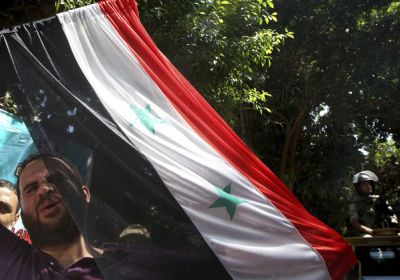 At least 15 people were killed on August 5 by security forces cracking down on protests in cities and towns throughout Syria, the August 6 Gulf News said. Escalating protests and government violence have marked every Friday since the Arab Spring reached Syria in March. But government violence has escalated since the military’s July 31 assault on the city of Hama, whose streets had been under the control of protesters since June.
 -
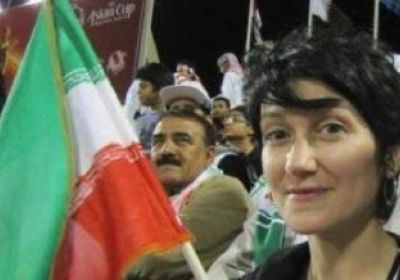 Al Jazeera journalist Dorothy Parvaz, who had been missing for nineteen days was released by the Iranian government on May 18. Parvaz left Doha on April 29 to cover the escalating anti-government protests in Syria. Upon arrival in Damascus, she was immediately detained by an unidentified security service. Until May 4, the Syrian government did not acknowledge that she was in their custody. But on May 10, it released a statement stating that it had deported Parvaz to the Iranian consule in Tehran.
 -
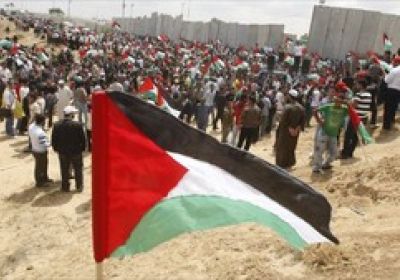
This article is reposted from http://gazatvnews.com . Protesters fired on by Israeli forces were commemorating al Nakba ("the catastrophe"), as Palestinians refer to the ethnic cleansing that accompanied the founding of Israel.
-
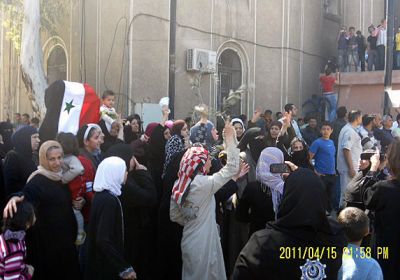
Thousands of people took to the streets in cities and towns throughout Syria on May 13, despite a week of intensified repression by the Baath Party regime of President Bashar al-Assad. On May 11, tanks shelled the city of Homs, one of the centres of protest, and mass arrests took place throughout the country.