-
-
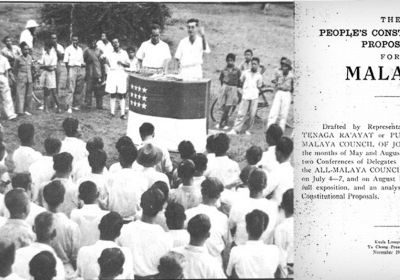
The former British colony of Malaya (now Malaysia) gained its independence on August 31, 1957. However, this was based on a deal by the Malay elites represented by the conservative United Malay National Organisation (UMNO) and Chinese and Indian capitalist classes with British colonialism. This deal preserved the privileges of the Malay elite.
Ten years earlier in 1947, a different vision of independence based on popular democratic participation and multi-ethnic solidarity came together in the “People’s Constitution”.
-
-
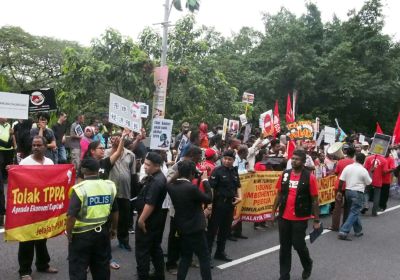
With general elections likely to be held in May, the left and democratic forces in Malaysia are discussing how to respond.
-
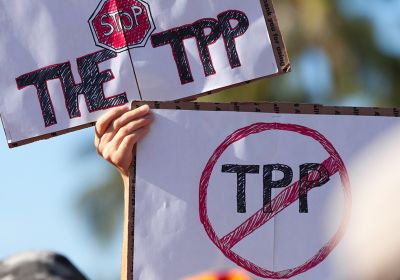
With the release of the full text of the Comprehensive and Progressive Agreement for Trans-Pacific Partnership (CPTPP) on February 21, activists in the 11 signatory countries finally got to see if their worst fears of a corporate power grab would be confirmed.
Unfortunately, they mostly were.
-
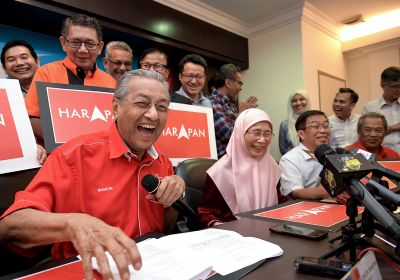
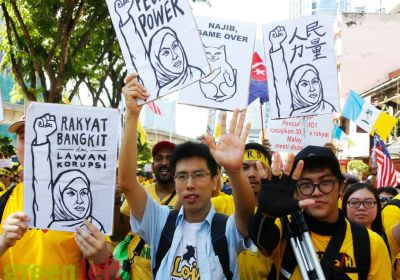
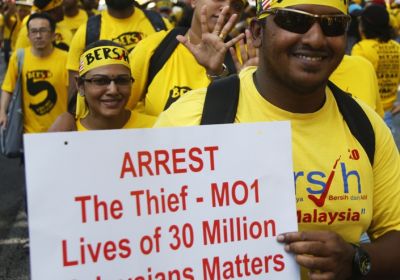
Riding the crest of a powerful Bersih (“clean”) democracy movement in the streets, Malaysia’s Pakatan Rakyat (People's Pact) opposition alliance won 53% of the popular vote in the 2013 general election. Gerrymandered electorates, however, ensured they took only 40% of the seats.
Yet as a new general election approaches, likely early next year, the incumbent Barisan Nasional (National Front, BN) government looks set to easily hold on the power.
-
-
-
-
-
-
Malaysia
Malaysia