
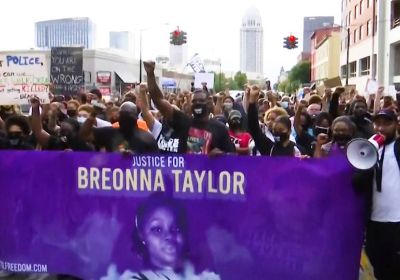
Malik Miah writes the decision of the Kentucky Grand Jury to not file murder charges against two white police officers who killed Breonna Taylor shows the United States legal system is criminal, unjust and needs to be replaced.
Malik Miah writes the decision of the Kentucky Grand Jury to not file murder charges against two white police officers who killed Breonna Taylor shows the United States legal system is criminal, unjust and needs to be replaced.
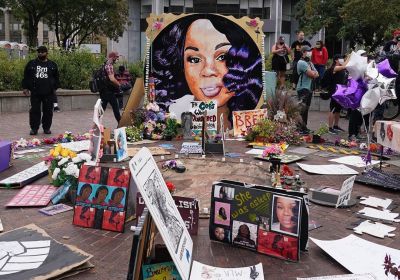
Protests have erupted across the United States in response to the announcement that none of the police officers involved in Breonna Taylor’s death will be charged, writes Malik Miah.
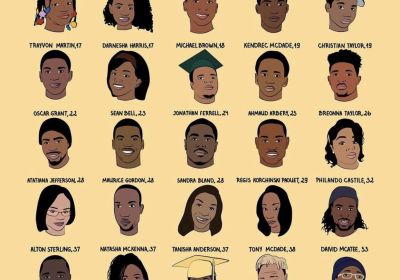
The 2020 US presidential election is between Black Lives Matter, a multiracial democracy — and white supremacy, writes Malik Miah. The outcome is open, but continuing to mobilise in the streets is essential.

The contrasting treatment by the police of the white vigilante and Jacob Blake make clear the double standard of “race” and racism in the United States, writes Malik Miah.
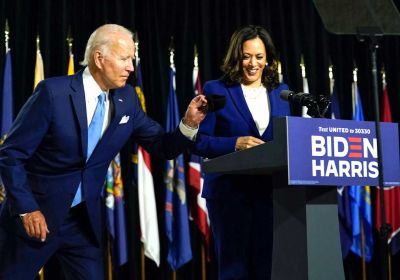
However significant Kamala Harris' candidacy is as the first Black and South Asian woman candidate nominated to high office by either major party, Malik Miah argues it is not a reason for working people to actively campaign for Democratic presidential candidate Joe Biden.
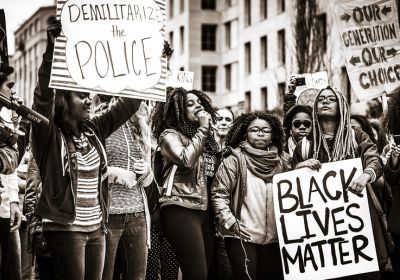
Green Left hosts Chloe Ds and Jacob Andrewartha speak to Black rights activist and revolutionary socialist Malik Miah about recent developments in the Black Lives Matter movement, what has been achieved to date, and the challenges ahead.
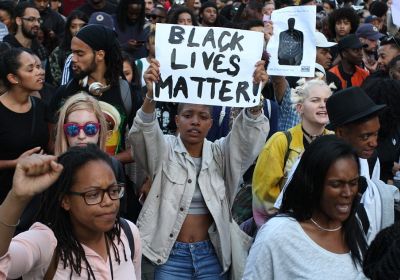
President Donald Trump has targeted the Black Lives Matter movement as “left wing anarchists” and “terrorists”. But the real agent provocateurs are in the White House and its federal agencies, writes Malik Miah.
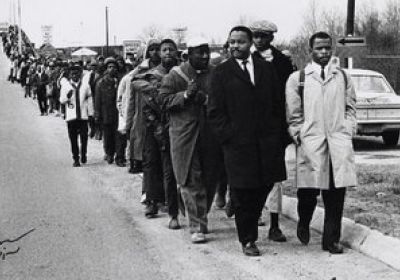
Black Lives Matter leaders stand on the shoulders of civil rights movement of the 1960s, writes Malik Miah. John Lewis's life reflects the power of that revolutionary leadership and its inspiration for today's new leaders.

Tens of thousands of workers and others plan to “Strike for Black Lives” on July 20, writes Malik Miah. Fast food, ride-share, nursing home and airport workers in more than 25 cities are expected to walk off the job for a full-day strike.
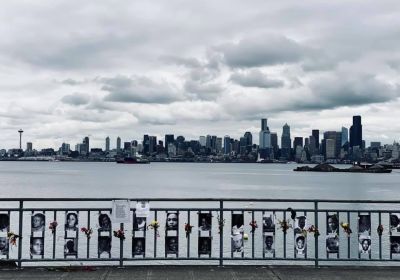
US President Donald Trump is doubling down on his race war agenda, while Democratic party mayors are succumbing to pressure and seeking to undermine the Black Lives Matter movement, writes Malik Miah.

What began as a response to anti-Black police violence and the murder of George Floyd on May 25 is now a deepening “American Spring”, writes Malik Miah, demanding revolutionary change to a system that puts white lives above Black lives in all walks of life.

The rebellion against police violence and murder continues to expand in the United States. New demands are being raised concerning issues of institutional racism by Black and Brown people and in opposition to the symbols of white genocide by Native American nations, writes Malik Miah.