
 I just returned to the United States from Rio de Janeiro, where I was researching a story on the Olympics in August for The Nation.
People spoke to me about the displacement and police violence that are accompanying the games. Yet one of the hottest points of discussion emerged from outside the country: a call to move, or at least postpone, the Olympics to prevent the global expansion of the Zika virus, currently exploding in Rio.
I just returned to the United States from Rio de Janeiro, where I was researching a story on the Olympics in August for The Nation.
People spoke to me about the displacement and police violence that are accompanying the games. Yet one of the hottest points of discussion emerged from outside the country: a call to move, or at least postpone, the Olympics to prevent the global expansion of the Zika virus, currently exploding in Rio.
-
I just returned to the United States from Rio de Janeiro, where I was researching a story on the Olympics in August for The Nation.
People spoke to me about the displacement and police violence that are accompanying the games. Yet one of the hottest points of discussion emerged from outside the country: a call to move, or at least postpone, the Olympics to prevent the global expansion of the Zika virus, currently exploding in Rio.
-
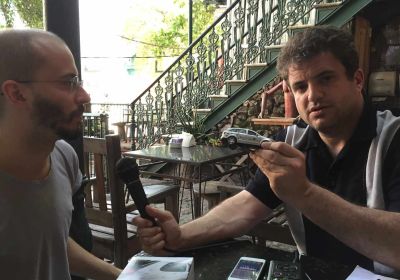 Rafael “Rafucko” Puetter is a Rio-based artist and activist who put together an “Olympic anti-souvenir shop” to highlight the injustices that arrive with the summer games.
 -
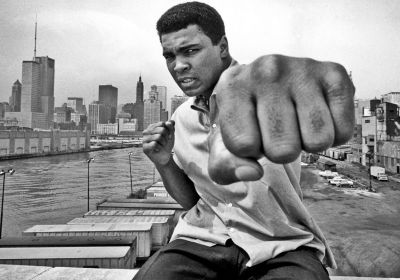 The reverberations. Not the rumbles, the reverberations. The death of Muhammad Ali will undoubtedly move people's minds to his epic boxing matches against Joe Frazier, George Foreman, or there will be retrospectives about his epic “rumbles” against racism and war. But it's the reverberations that we have to understand in order to see Muhammad Ali as what he remains: the most important athlete to ever live. It's the reverberations that are our best defense against real-time efforts to pull out his political teeth and turn him into a harmless icon suitable for mass consumption.
 -
 The overthrow of Brazil’s President Dilma Rousseff in an institutional coup by right-wing forces has been justified by allegations of corruption — even though issue Dilma is being impeached on is use of a relatively normal government spending mechanism.
-
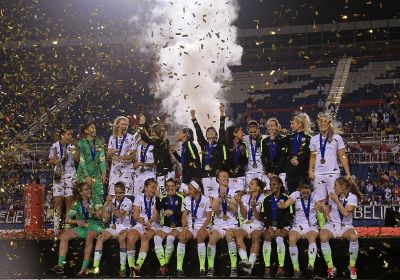
“Women who seek to be equal with men lack ambition.” That quote is often attributed to Marilyn Monroe, but was more likely said by psychologist and LSD guru Timothy Leary.
-
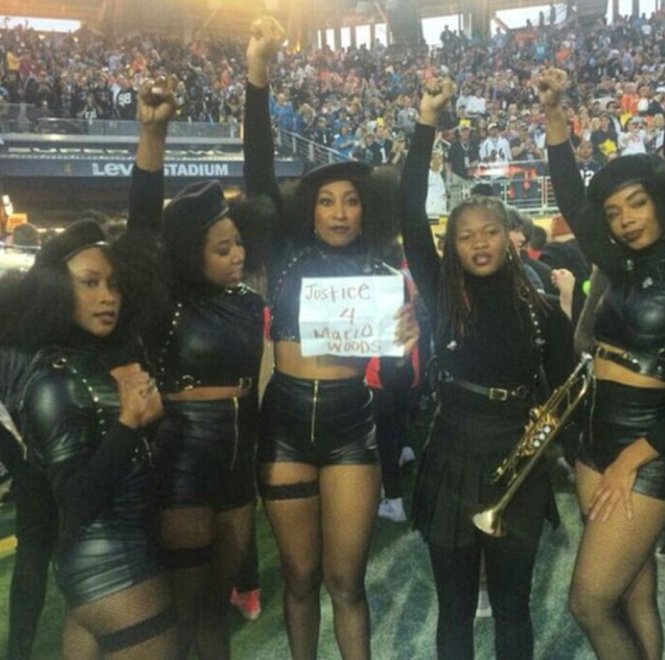 Beyoncé's backing dancers display a "Justice for Mario Woods" sign.
In the San Francisco Bay Area in California, where tent cities are slowly re-forming under bridges after being swept away in a “cleansing” of the homeless ahead of the February 7 NFL Super Bowl, there is still a palpable buzz about Beyoncé's performance in the Super Bowl half-time show (sorry, Coldplay).
In fact, it is a topic with far more currency than the actual dud of a game — and for good reason.
Beyoncé's backing dancers display a "Justice for Mario Woods" sign.
In the San Francisco Bay Area in California, where tent cities are slowly re-forming under bridges after being swept away in a “cleansing” of the homeless ahead of the February 7 NFL Super Bowl, there is still a palpable buzz about Beyoncé's performance in the Super Bowl half-time show (sorry, Coldplay).
In fact, it is a topic with far more currency than the actual dud of a game — and for good reason.
-
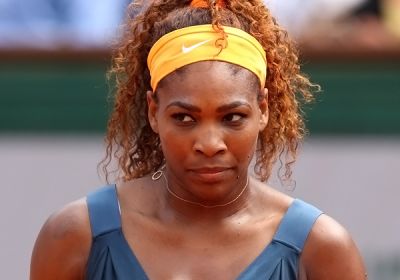 This past year there was no shortage of people who tried to leverage the sports world to boldly speak out on issues beyond the field of play. In the United States, Missouri football players went on strike against racism; the remarkable activists in Boston — led in many neighbourhoods by people of colour and women — kept out the rapacious Olympics; the continuing fight ahead of the 2016 Rio Olympics is taking on both the International Olympic Committee and the Brazilian government.
 -
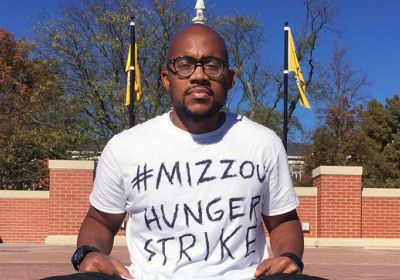 The Black players on the University of Missouri’s football (gridiron) team — a team in the national title hunt just two years ago — went on strike against racism on November 7. The players demand was simple: they would not play until school president Tim Wolfe resigned over his inability to address a series of racist incidents on campus.
 -
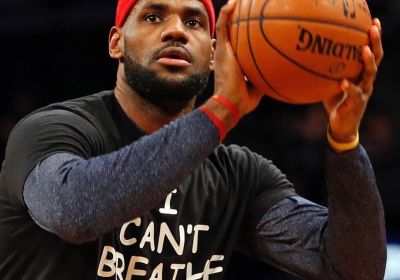
If there was ever a moment that signalled how little Black lives mattered to people in power in the US, it was in the aftermath of Hurricane Katrina, which hit the Gulf of Mexico — especially devastating the city of New Orleans — 10 years ago.
-
 On the weekend that marked the one year anniversary of the police killing of Michael Brown, another disturbingly similar case made the social media rounds: another unarmed young Black man was shot dead, on August 7, another police officer on administrative leave holding the smoking gun, another rush to convict the dead.
-
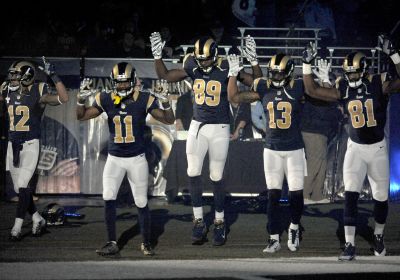
The police killing last August of unarmed 18-year-old Black man Michael Brown in Ferguson, Missouri, and the subsequent protests have sparked a new Black freedom struggle and forever changed this country.
-
 “What we do matters.” “We are many, they are few.” “The squeaky wheel gets the grease.”
These phrases are what people trying to effect change often say quietly to avoid slouching into despair. Today, they are what crews of Bostonians are singing to one another over rowdy, joyous toasts, confident that their actions just beat back the most powerful plutocrats in town.
“What we do matters.” “We are many, they are few.” “The squeaky wheel gets the grease.”
These phrases are what people trying to effect change often say quietly to avoid slouching into despair. Today, they are what crews of Bostonians are singing to one another over rowdy, joyous toasts, confident that their actions just beat back the most powerful plutocrats in town.