
“El pueblo, unido, jamás sera vencido!” (The people, united, will never be defeated!).
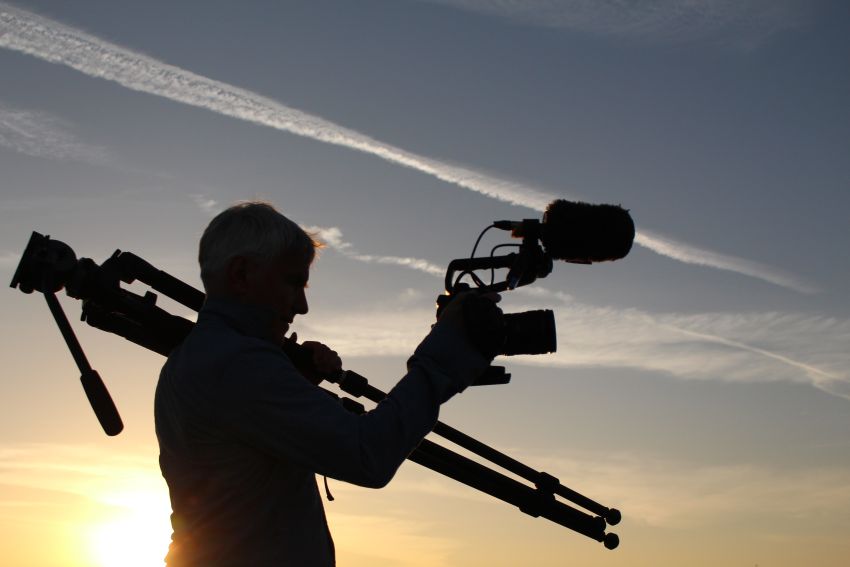
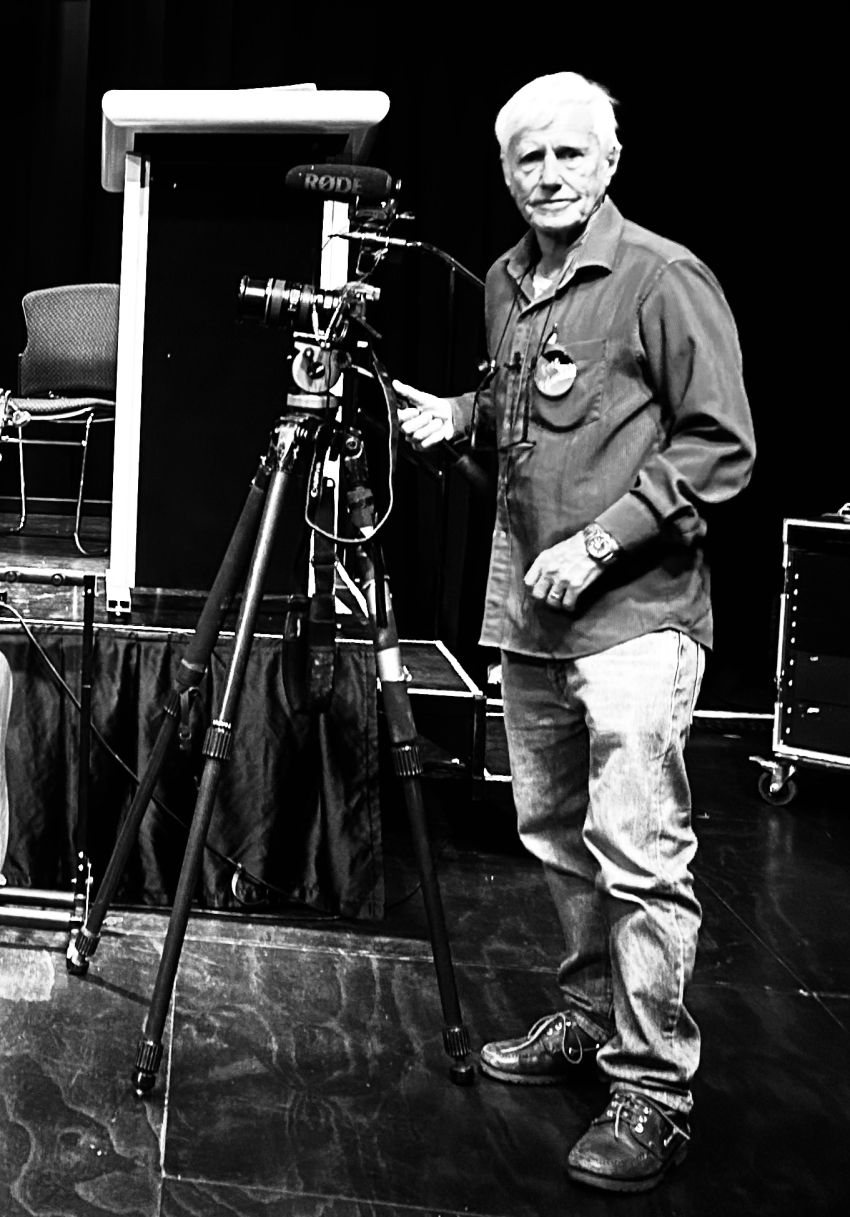
Award-winning documentary maker David Bradbury, of Frontline Films, has left Australia to join the Nuestra América (Our America) solidarity convoy to Cuba.
A renowned independent filmmaker and social justice activist, Bradbury has spent his career documenting the impacts of decades of United States-led Western aggression and imperialism around the world.
Best known for films like Nicaragua No Pasaran and Chile Hasta Cuando? Bradbury has been visiting and documenting Cuba since 1983.
Fond Memories of Cuba was filmed in 1999, while hitchhiking across the island with his then nine-year-old son, Dylan.
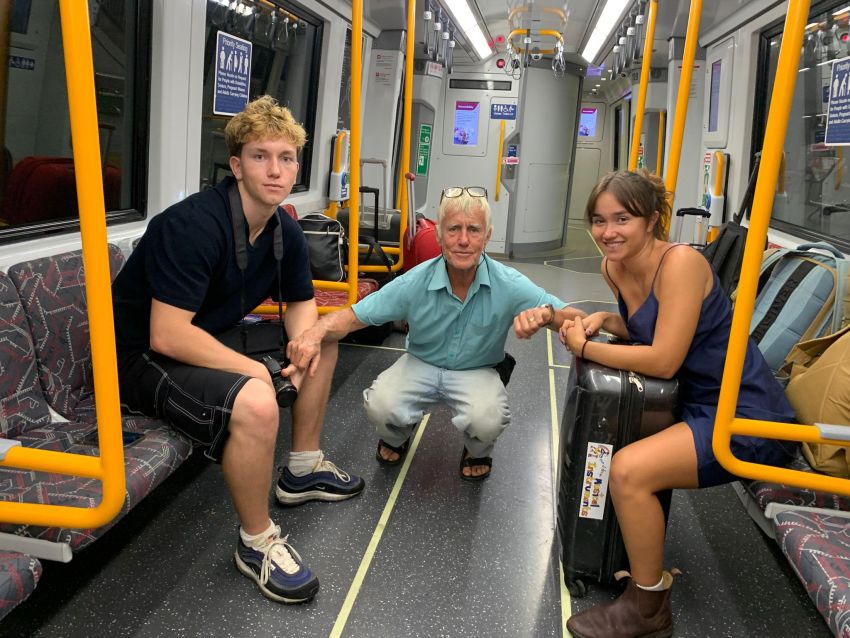
Bradbury is returning this year with his 16-year-old son Omar, an emerging cinematographer, and his 23-year-old daughter Nakeita, an actress.
Nakeita has just returned from six months in New York City, where she volunteered at a refuge for homeless women, many of whom suffered mental illness and trauma from living on the brutal streets of the city.
Omar and Nakeita are filming their own documentary in Cuba, connecting with young people and what their hopes, dreams and fears are if the US invades or takes over their island home — while they wait for Donald Trump, Marco Rubio and Pete Hegseth to make their move.
Bradbury will be providing video updates to Green Left. As a filmmaker who goes to extraordinary lengths to expose political oppression and environmental vandalism, whatever happens while Bradbury is in Cuba, his footage will be invaluable.
US economic sanctions
Between 1898 and 1959, the US government controlled the domestic and foreign policy of Cuba. As with every other country subject to imperialism, this was done to further the interests of US corporations over those of the Cuban population.
Prior to the socialist revolution, US companies controlled 40% of the islands sugar lands, 80% of its public utilities, 90% of the mines and cattle ranches and — in combination with Shell — substantially all of the oil business. The American mafia controlled all of the casinos on the island.
The US installed the dictator Fulgencio Batista, who turned Cuba into a violent and repressive police state from 1952–59. Hundreds of mangled bodies were routinely left hanging from lamp posts and dumped in streets in a grotesque variation of the Spanish colonial practice of public executions to control dissent.
After the socialist revolution in 1959, Cuban revolutionaries shut down casinos and brothels and quashed the influence of the mafia. They instituted land reform, confiscating land owned by US corporations and barring foreign land ownership.
Fidel Castro’s government undertook a major nationalisation project targeting foreign-owned utilities, banks and telephone companies, returning their control to the people of Cuba. Oil refineries previously owned and controlled by corporations such as Shell were nationalised, and revenue from these projects was used to guarantee free education and healthcare with major investments directed to housing construction and upgrading infrastructure.
This was unacceptable to the US government and US President Dwight D Eisenhower broke off diplomatic relations and launched a 65-year-long campaign to force the Cuban people to accept US domination, using violence and an economic blockade to intensify economic suffering.
President John F Kennedy imposed a full commercial, economic and financial blockade, suspended all trade and banned US citizens from travelling to Cuba.
In the 1980s, President Ronald Reagan added Cuba to the US list of State Sponsors of Terrorism, prevented Cuba from accessing credit and loans in international financial markets and banned the import of any products containing Cuban goods from third party countries.
In the 1990s, President George Bush took advantage of the collapse of the Cuban economy following the dissolution of the Soviet Union and strengthened the embargo against Cuba.
President Bill Clinton banned family remittances to Cuba and stopped flights between the two countries.
Bush’s administration implemented laws in the 1990s enabling the US government to sue foreign-owned travel companies operating in foreign countries if US citizens used their services to travel to Cuba. It also fined foreign-owned banks in foreign countries for allowing Cuba to transfer money to pay for imports. This effectively prevented Cuba from using the US dollar as currency anywhere in the world.
Now, Trump has the island under a complete and inhumane siege, stopping all oil imports for three months. The Cuban electrical grid has collapsed, hospitals cannot function and 10.9 million people are starving.
The US’ embargo and its recent unilateral actions against Cuba are illegal under international law. The United Nations General Assembly has consistently voted in favour of lifting the blockade. The US asserts that international law doesn’t apply to them.
Nuestra América Convoy
Hundreds of volunteers from more than a dozen countries signed up to the convoy in an attempt to break the siege. Bringing more than 20 tons of essential aid, including food, medicine and solar equipment, to a desperate population, participants are arriving by land, sea and air in Cuba’s capital Havana.
Hundreds of ordinary people booked commercial flights on airlines from all over the world, travelling with suitcases packed full of supplies — from toothpaste to baby food.
Convoy organiser, French-American activist David Adler, co-general coordinator of Progressive International, said he was inspired by his participation in the Global Sumud Flotilla to Gaza.
“From the global movement that helped end apartheid in South Africa to the flotillas that sailed to challenge the siege of Gaza, international solidarity has repeatedly emerged to confront injustice,” Adler said. “This convoy to Cuba continues that tradition delivering critical supplies to the Cuban people and a simple message: You are not alone.”
Other prominent participants include: British MP Jeremy Corbyn, Clara Lopez, Spanish politician Pablo Iglesias, Hasan Piker, Irish hip hop group Kneecap, US union activist Chris Smalls, Daniela Serrano, Maria Fernanda Carrascal, Gerardo Pisarello, Orlando Silva, Belgian Workers Party MP Marc Botenga, Rud Rafael, and Gaza Flotilla participant Thiago Avila.
What can we do?
We must stand up to the US war machine. To support Cuba, we need to organise, build coalitions, organise public meetings, call local activists in, get unions involved and involve every group with a special interest. We need to get the word out through posters, flyers and local campaigning.
What could the US do if everyone else said no?
[If you can support David Bradbury cover his living expenses in Cuba, please consider a tax-deductible donation here.]