
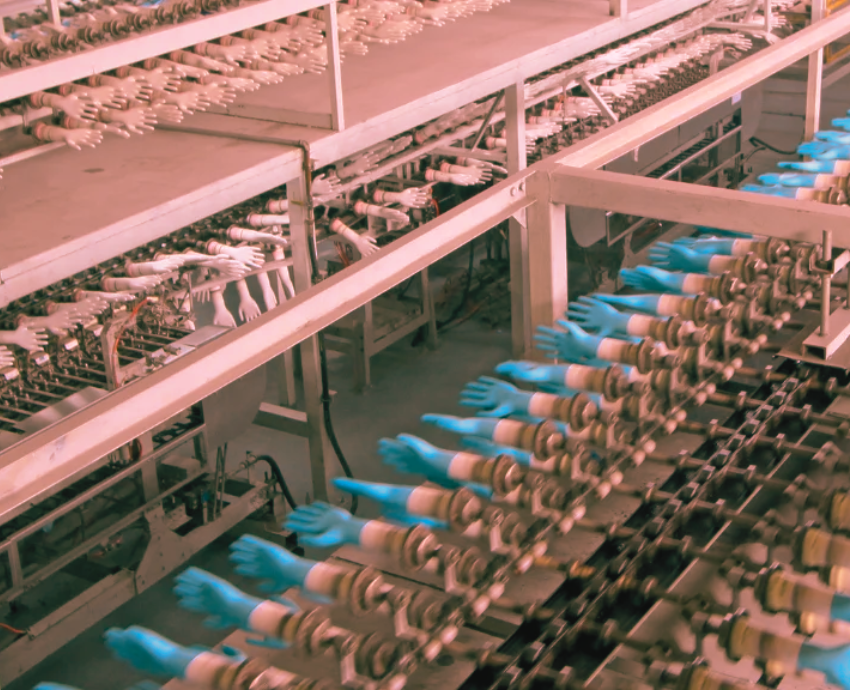
Human rights activists are demanding the Australian-based company Ansell take steps to prevent the forced repatriation of Bangladeshi workers from Malaysia by Ansell’s contractor, MediCeram.
Twenty-six Bangladeshi workers in a glove mould factory in Negeri Sembilan received tickets from MediCeram on November 18 for flights to Dhaka on November 22–23.
None want to return to Bangladesh because a conciliation hearing to contest their unfair dismissal and visa cancellations is set down for next week.
The workers have requested a new employer, rather than repatriation, so they can continue to work in Malaysia. However, Malaysian regulations do not allow foreign workers to change employer, even in cases of serious workplace abuse.
Employers can, however, consent to workers changing their boss. But MediCeram is refusing to agree, instead cancelling the workers’ visas after dismissing them over a work stoppage it had consented to.
The affected workers travelled to the Bangladesh High Commission in Kuala Lumpur on November 19 to request help to move from MediCeram’s accommodation to a safe house and avoid the deportation. They were denied assistance.
One-hundred-and-eighty former MediCeram workers, who were unfairly dismissed in late October, allege they paid large sums of money to work in Malaysia, only to have their passports withheld and permits not renewed, while being forced to live in crowded and substandard accommodation.
They also allege wage theft, unrealistic targets, bullying and violence. The workers’ leaders have been dismissed, had their visas cancelled and face deportation.
Time is running out for these workers as their legal avenues of redress close up.
“These workers have families and communities in Bangladesh who depend on them," Andy Hall, a migrant worker rights activist, told Green Left. "Empty stomachs and no education for their families should not be used as a weapon by contract companies within the Ansell supply chain.”
Slavery was abolished in 1833 in the British empire, but it took until 2018 for Australia to introduce the Modern Slavery Act.
Ansell claims to carry out its business in line with Australian environmental, social and governance standards and modern anti-slavery laws. Yet, its global supply chains maintain slave-like conditions.
Australian corporations must report annually if there has been any indication of slavery in their business. Importantly, they should have a duty to prevent and remediate modern-day slavery.
Corporations should be legally required to investigate and address concerns about forced labour in their supply chains, or face the consequences.
Unions also need to ensure that industry superannuation funds are not benefiting from enslavement practices. Coles was embarrassed by the United Workers Union in 2019 over migrant worker abuse. It led to management and unions working together to address problems.
If it is unacceptable for Australian workers to be mistreated, the same rules must apply to companies with supply chains in the Asia-Pacific. The recent Organisation for Economic Cooperation and Development (OECD) complaint against Ansell over MediCeram highlights the challenge.
The affected Bangladeshi workers have no remedy in Australia beyond a drawn-out, involuntary and unenforceable OECD complaints process.
Complaints about global supply chains mistreating their workers take too long to be resolved. Unions should push federal Labor, via their superannuation funds, to give the Modern Slavery Act real teeth so that any supply chain company that effectively enslaves its workers must be brought to justice.