
On February 21, around 2000 rallied in Melbourne against the government's inhumane treatment of asylum seekers follows the death of one asylum seeker and several injuries in violence in an Australian offshore immigration detention camp on Manus Island in Papua New Guinea.
Speakers included Greens MP Adam Brandt; Mohammad Baqiri, a refugee detained on Nauru under John Howard; State Secretary of the Textile Clothing and Footwear Union, Michele O’Neil and Pamela Curr of the Asylum Seeker Resource Centre.
-
-
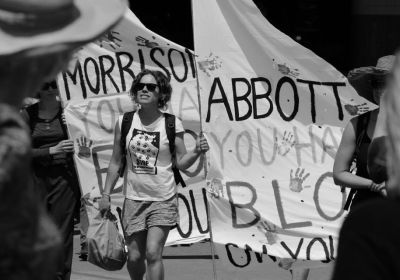 All around the country this week there have been angry snap protests against Abbott Liberal-National Coalition government's cruel policies towards asylum seekers. This follows the death of one asylum seeker and several injuries in violence in an Australian offshore immigration detention camp on Manus Island in Papua New Guinea.
 -
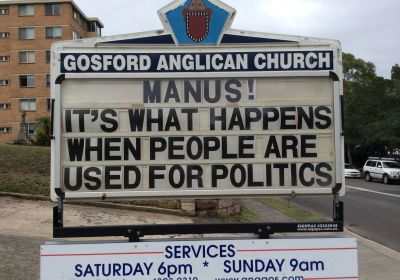
You know, unless asylum seekers somehow managed to sneak into this country and made it all the way to Geelong to pose as Alcoa executives to announce yet another plant closure at the cost of nearly a thousand more jobs, then I really think this nation has some bigger goddamn problems than boats carrying refugees asking for help.
-
About 700 people attended a public forum called “We are one, but we are many: Working towards a humane refugee policy” hosted by the Combined Refugee Action Group (CRAG) in Geelong on February 18.
-

It’s impossible to ignore any longer just how cruel and irrational the government’s war on refugees has become after violent attacks in the Manus Island detention centre left one dead and scores injured.
-
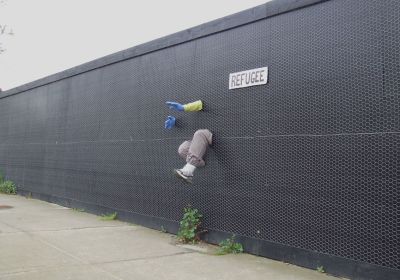 Calls to boycott the Sydney Biennale unless it cuts ties with major sponsor Transfield — which holds government contracts to provide welfare services in immigration detention centres on Nauru and Manus Island — have been gaining momentum. A group of high-profile artists involved in the Biennale have written to the festival’s board of directors, calling on them to withdraw from the funding agreement with Transfield.
 -
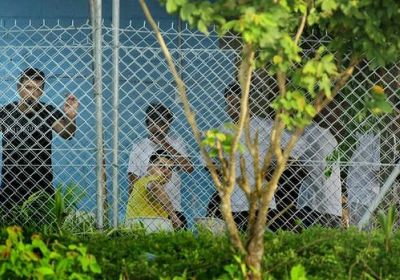 The consequences of the inhumane policies by successive Coalition and Labor governments to make life as unbearable as possible for asylum seekers are unfolding on Papua New Guinea’s Manus Island.
 -
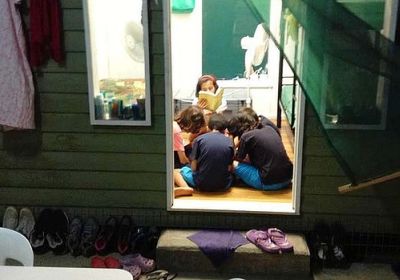 The statement below was released by the Refugee Action Coalition on February 16. *** Report from Manus Island indicate a major protest and breakout has taken place on Manus Island late this afternoon. The most recent reports indicate that the riot squad has been mobilised and that the perimeter fence has been breached. Protests have been building all day, but escalated after a meeting (around 2pm Manus time) was held to answer asylum seeker’s questions about resettlement.
 -
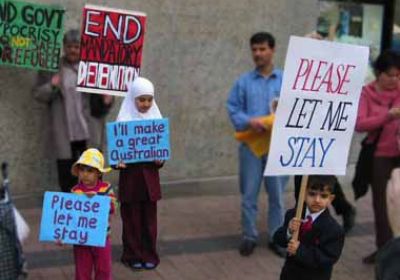 Immigration minister Scott Morrison has circumvented the Senate block of Temporary Protection Visas (TPVs) by making use of a different type of visa — Temporary Humanitarian Concern visas (subclass 786) (THC). Labor and the Greens blocked Morrison’s attempt to reintroduce TPVs in December when they voted it down in the Senate. Morrison initially tried to cap permanent protection visas in response, but was later forced to lift the cap.
 -
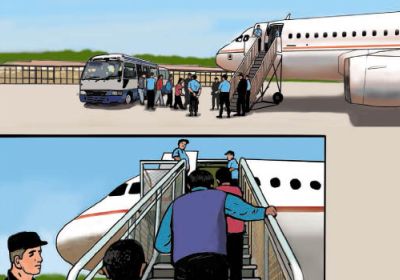 As a 65-year-old Afghan Hazara man fights to avoid deportation, refugee rights advocates grow increasingly alarmed by reported “round ups” of hundreds of asylum seekers who are being threatened with imminent deportation. Immigration minister Scott Morrison confirmed last month that the government was re-detaining people who had been denied refugee status and have apparently exhausted their appeals. Refugees reported from detention centres across Australia that those who have been “screened out” were being told to pack up and prepare to be removed.
 -
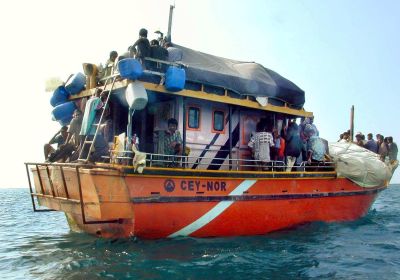
There are some cynics who argue that Tony Abbott is a lying scumbag who wouldn't know the truth if it was tattooed on Rupert Murdoch's arse. Or, to put it another way, if it was right in front of his face.
-
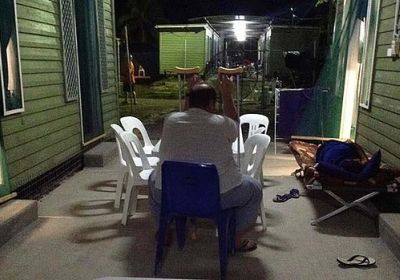 The Refugee Action Coalition released this statement on February 5. *** The daily protests by hundreds of asylum seekers on Manus Island that began on January 25 have now spread to all four compounds inside the detention centre. Since January 25, up to 500 asylum seekers in the Oscar compound, the most deprived of the compounds, have been staging daily protests. On January 30, the protests extended to Mike compound. And on January 31, hundreds more asylum seekers were in involved in protests in all four compounds.