
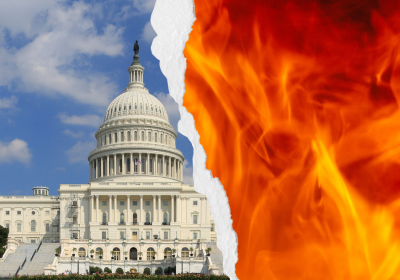
In response to events in Washington DC on January 6, the Metro DC branch of the Democratic Socialists of America released the following statement.
In response to events in Washington DC on January 6, the Metro DC branch of the Democratic Socialists of America released the following statement.

Venezuela’s new National Assembly has been sworn in, ending five years of right-wing control of parliament. Socialist MP Melitza Orellana speaks about her key priorities and the challenges facing the new assembly.
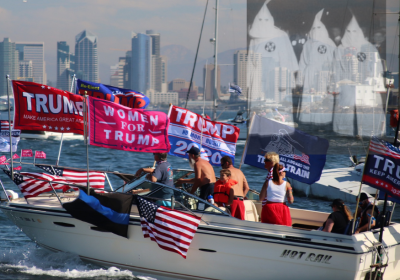
Donald Trump may leave office and return to the bowels of financial speculation. However, the political base that sustained and reinforced his presidency will remain a powerful political force, writes Rupen Savoulian.
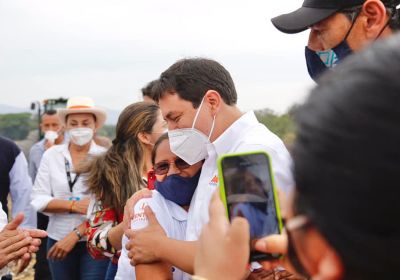
Ecuador's progressive electoral alliance Union for Hope, which stands an excellent chance of winning the election in February, has just been given the green light to run, writes Harvey Goldberg.
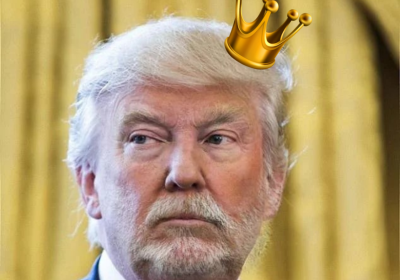
Before Donald Trump, no US president had declared themselves the winner after losing, writes Malik Miah. Trump is becoming increasingly theatrical in his desperation to hold onto power. What happens next is not known.
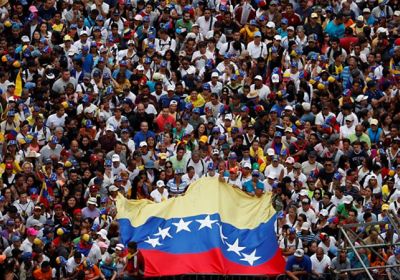
Venezuelans are set to vote in elections like no other in the country’s recent history when they go to the polls to elect a new National Assembly on December 6, writes Federico Fuentes.
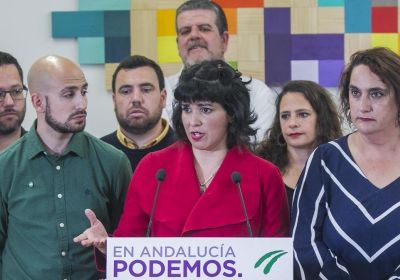
Unidas Podemos is engaged in a thuggish operation against members of the Forward Andalusia coalition, writes Dick Nichols.
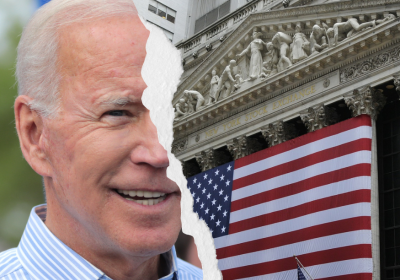
In interviews with African Americans who did not vote, many said their lives have not, and will not likely change under Donald Trump or Joe Biden, writes Malik Miah.

Two weeks on from the US Presidential election and Donald Trump is still trying to cling to power, writes Malik Miah.
As long as Donald Trump continues to refuse to accept the election results, the danger of a coup, legal or not, remains, writes Malik Miah.

New Peru Movement party leader Veronika Mendoza, explains what’s behind the current unrest in Peru.
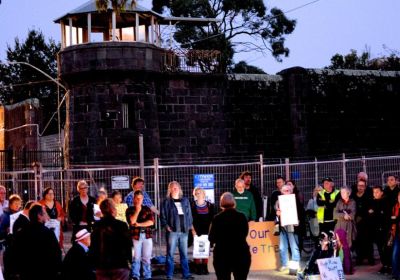
There has been a surge of support for socialist candidates in the Victorian local council elections, with four socialists elected to three councils, reports Jacob Andrewartha.