-
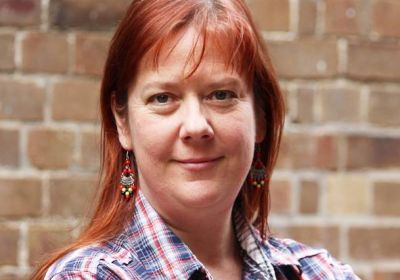
Unspeakable Things: Sex, Lies & Revolution Laurie Penny Bloomsbury, 2014 English author Laurie Penny describes herself as a “journalist, activist, feminist, troublemaker, nerd and net denizen”. Her book, Unspeakable Things, is a collection of polemical essays in which Penny takes aim at mainstream (liberal) feminism, which she says “remains tepid and cowardly”. -
The largest demonstration to date on the need to stop global warming was held in New York City on September 21. It was the largest of the global demonstrations in more than 160 cities that day ahead of a United Nations climate summit held on September 23 in New York. The historic protest brought together a wide range of groups and individuals in a march through Manhattan, two days before heads of states gathered to discuss the issue. -
Cables sent from the US Embassy in Quito during Rafael Correa’s first three years as president document rising tensions between Ecuador and the US. Correa’s government, first elected in 2006, increasingly rejected US hegemony and asserted control over Ecuador’s economic and political development. The cables highlight the embassy’s preoccupation with Ecuador’s “difficult investment climate”, with many reports attempting to assess and predict Correa’s economic policies. -
A fortnight out from Brazil’s October 5 national elections, the big news is the significant surge in support for Marina Silva, with some polls predicting the former Workers’ Party (PT) government minister and environmental activist could end up winning the presidential race. Incumbent president and PT candidate Dilma Rousseff maintains a narrow lead over Silva, but the election will almost certainly go to a second round run-off on October 26. -
John Minto is a veteran New Zealand activist who became known as a leader of a powerful anti-apartheid campaign in the 1970s. More recently, he was part of organising some of the largest pro-Palestine demonstrations ever in New Zealand. -
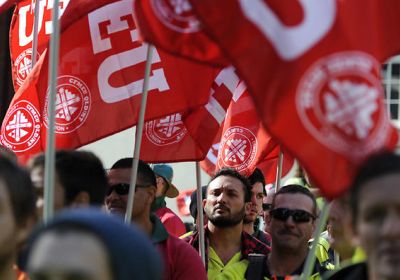
Laila Harre, the leader of the newly formed Internet Party, told a September 16 stop-work meeting in west Auckland organised by the FIRST and Unite unions, that state spying was not due to concerns about terrorism, but to target people who “organise for change”.
-
Activists demonstrated outside global big brand fashion outlets in the centre of Sydney's central shopping district on September 17 to demand that these companies pay the workers who make their products (in countries like Cambodia) living wages and respect their right to organise. Other solidarity actions in Australia were held in Canberra and Melbourne. -
It is a story that will be familiar to many residents of the Sydney suburb Millers Point: a suburb with long-standing public housing that provides affordable accommodation to low-income residents is at the centre government attempts, at the behest of property developers, to remove public housing tenants and free up land that just happens to feature prime water-side views. -
Immediately after the September 15 “Moment of Truth” public meeting — in which NSA whistleblower Edward Snowden exposed John Key’s National Party government complicity in the wholesale, and illegal, surveillance of New Zealanders — Internet MANA candidate in the September 20 elections, Joe Carolan, spoke to Green Left on the meeting’s significance.
-
Auckland Town Hall was packed to overflowing on September 15, with almost 2000 people. They heard US National Security Agency (NSA) whistleblower Edward Snowden present new evidence that the New Zealand government has been collaborating with US authorities to carry out wholesale surveillance and data collection on NZ citizens.
-
“Paddy wagon’s on its way,” announced a Chicago Police tactical officer over his radio early on the morning of September 4. Shortly after, a crowd of about 300 demonstrators ― including more than 100 striking fast food workers ― began chanting “Take the street!” and proceeded to do just that. Marching between a McDonald’s on one side and a Burger King on the other, the crowd blocked 87th street traffic on Chicago’s south side for about 20 minutes. -
New Zealand goes to the polls on September 20. Amid a big scandal of government “dirty tricks”, the Mana Movement is pushing the interests of the working-class and Maori communities. Mana was formed when firebrand Maori Party MP Hone Harawira split over the Maori Party's support for a right-wing National Party government in 2011. It brings together militant Maori activists with other working-class and left forces.