-
The Greek Parliament voted in the early hours of July 16 to back the deal agreed to by Prime Minister Alexis Tsipras on the tough economic measures demanded by Greece's creditors. The vote came despite street protests and strikes -- and in the face of a statement released the day before by the governing SYRIZA party's central committee against the deal. -
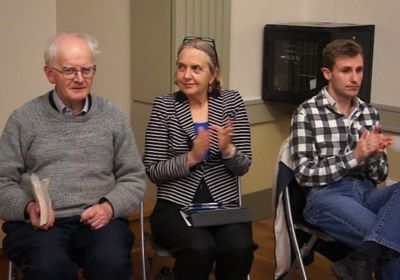
A public meeting of about 100 people in Erskineville Town Hall on July 14 voted unanimously to oppose planned cuts to Sydney rail services and the proposal for a privatised train line as an extension of the Sydney Metro Northwest rail link to the city's north-western suburbs.
-
Core texts of the secretive Trade in Services Agreement (TISA) have finally been exposed by WikiLeaks. The whistleblowing group released the explosive document on July 1, ahead of the a new round of negotiations. The 52 participating countries, including the US, Japan, Australia, Israel and the members of the European Union, are discussing “liberalisation” of laws on financial services, telecommunications and cross-border transfer of workers. -
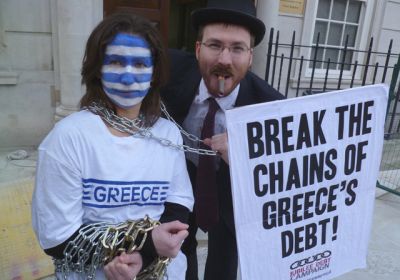
Leading British campaigners against global debt have slammed the creditors over a deal reached between the European Union countries and Greece, likening the deal to the imperial politics of the 19th century. The debt campaigners also drew parallels with the way debt was used to control Latin American nations in the 1980s. -
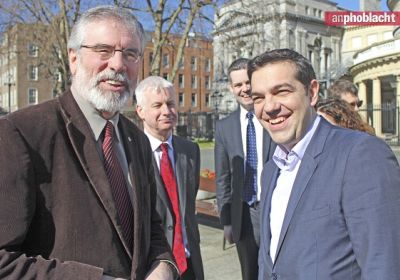
“The conduct of a number of EU governments over the past number of weeks has been alarming,” president of Irish republican party Sinn Fein and member of the Irish Dail (parliament) Gerry Adams said on the outcome of the European Union summit, which ended Greece submitting to a harsh deal. “They have effectively closed down the Greek banking system and held the Greek Government and people to ransom. -
Australia managed its way through the Global Financial Crisis (GFC) in better shape than most countries, mostly due to two factors. The first was $83 billion in Australian government stimulus spending, the third largest in the world as a percentage of GDP, behind the US and South Korea. The second was resilient demand for iron ore and coal exports to China which came from an initial US$4 trillion in Chinese stimulus spending organised through the country’s banks. -
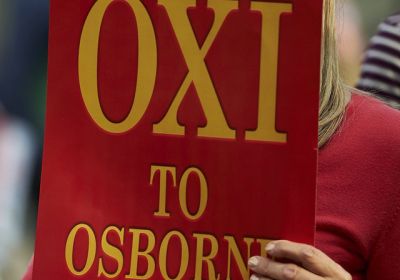
The British Conservative Party government introduced new austerity measures on July 8, which include slashing millions of pounds in social spending, increasing the military budget and cutting corporate taxes. Chancellor George Osborne announced the new budget to parliament, which includes some 12 billion pounds in social spending cuts over three years. -
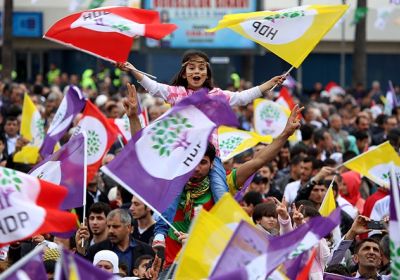
One month after Turkey’s June 7 parliamentary elections, the country still does not have a government. Ahmet Davutoglu of the Justice and Development Party (AKP) remains caretaker prime minister. President Recep Tayyip Erdogan remains the dominant figure in the AKP and is manoeuvring to retain his party’s leading position. The president is supposed to be an impartial figure above party politics but Erdogan pays scant regard to such constitutional niceties. The elections were marked by two significant and related developments. -
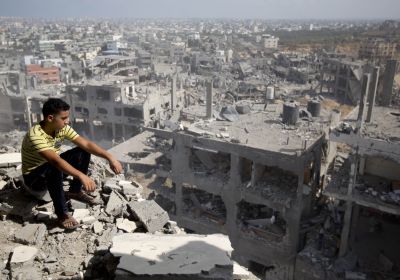
One year ago, on July 7, 2014, Israel began an assault on the Gaza Strip that would last 51 days. While a permanent ceasefire was brokered between Hamas and Israel on August 26, physical safety and freedom of movement continues to be denied to the people of Gaza.
-
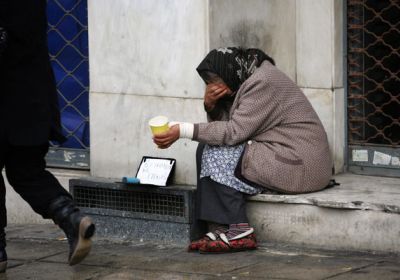
Regardless of the result of the latest round of negotiations between the SYRIZA-led government of Greece and the heads of the 28 members of the European Union, one thing is certain: in coming years, the Greek people are going to need all possible solidarity because their struggles and sufferings are bound to continue. The best imaginable deal with the EU will mean six years of Troika-imposed austerity grinding along to one degree or another. Forced Greek exit from the eurozone will drive the country deeper into recession, further contracting an economy that has shrunk by 25% since 2008. -
Members of the European Parliament show support for Greece against its creditors. "This debate is not exclusively about one country," said the Greece's left-wing Prime Minister Alexis Tsipras in a speech to the European Parliament on July 8. "It is about the future of our common construction."
-
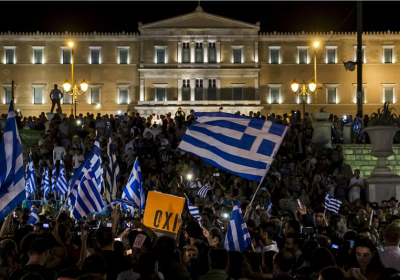
After Greece voted "no" by a large margin to more brutal austerity, Solidarity4All issued a call for assistance and solidarity on July 7, published below.