-
-
-
-
-
-
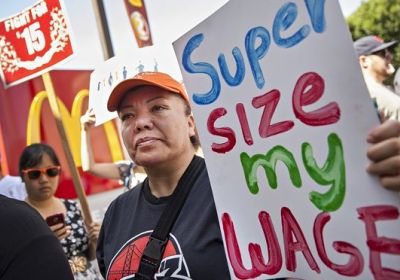
Last month I read an article that first appeared in the Huffington Post titled "X Marks the Spot Where Inequality Took Root: Dig Here". It explains how real wages in the US shadowed growth in productivity in the years after World War II. But in the mid-1970s wages growth completely stalled. If wages had continued to shadow productivity growth they would now be double what they are today. This explains a lot about contemporary US society: all the gains of increased productivity have been absorbed by the rich. -
Tens of millions of public sector workers in India went on strike to protest Prime Minister Narendra Modi's push for privatisation and other right-wing economic policies.
-
More than 2 million Bolivians have been lifted out of extreme poverty in the past decade since President Evo Morales's government came to power. Bolivia's economy is on course to grow by 5% this year, placing it among the top performers in Latin America. It is one sign of Bolivia's rapid economic transformation. Another indicator is falling poverty rates. When Morales took office in 2006, the rate of extreme poverty was 38.2%. This year, the figure is 16.8%. -
The Fremantle Council voted 10-1 to drop its annual Australia Day fireworks on August 24 in recognition of how sensitive this date is for many First Nations peoples. It is worth restating the obvious: modern Australia, like Canada, the US, New Zealand and South Africa, began as a colonial-settler state founded on the violent dispossession of its Indigenous peoples. But Australia is the only one to hold its national day on the very date that marks the beginning of that dispossession. -
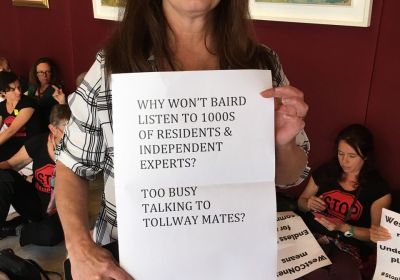
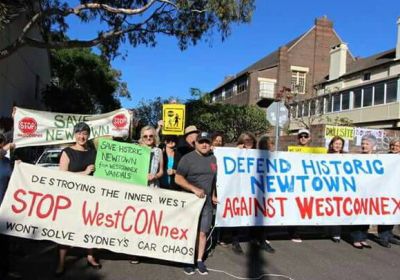
“Beyond the amiable, good-bloke persona, [NSW Premier] Mike Baird is an aggressively neoliberal politician, who has quietly privatised dozens of state entities.
-
The statement below was released by the Philippines-Venezuela Solidarity Network (PhilVenSol) on August 31. It comes after calls from Venezuela for international solidarity against new US-backed destabilisation against the elected government and revolutionary movement.
-
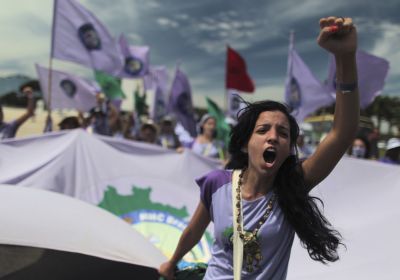
Brazil's de facto president Michel Temer was sworn in on August 31, after the country's Senate voted to impeach suspended President Dilma Rousseff.
Economy
Economy