-
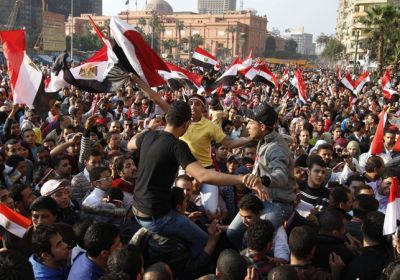
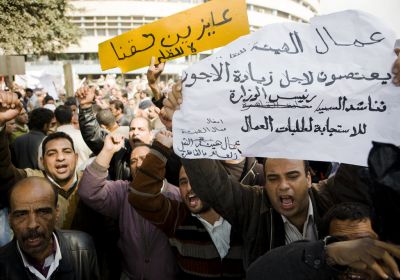
The Egyptian people’s revolution has entered a new phase after the fall of dictator Hosni Mubarak on February 11. The first reaction to Mubarak’s resignation after 18 days of continuous protests was one of celebration. Cairo’s Tahrir Square, the centre of the uprising, turned into the scene of a giant party for days afterwards in celebration of the exit of Mubarak, who had ruled Egypt for three decades. Undoubtedly, the widespread feeling was that it was time to begin building a “new Egypt”. -
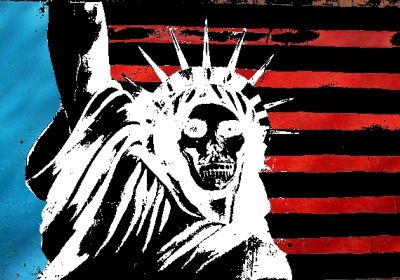
Australian illusions about Labor are likely to have more serious consequences in the very near future. Unable to charter any real alternatives to the neoliberal formula of war, privatisation and social exclusion, Labor’s pseudo-social democracy will fail, delivering us to neo-fascist regimes and multiple global crises. The Labor government of Julia Gillard will be replaced by as ugly a bunch of thugs as we have ever seen; just as Obama will be replaced by the same neo-fascists that drew us into a series of bloody wars. -
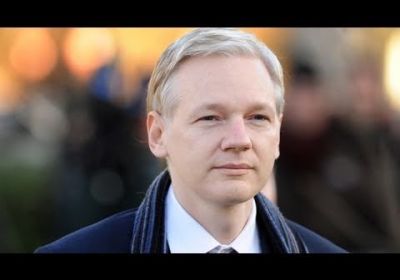
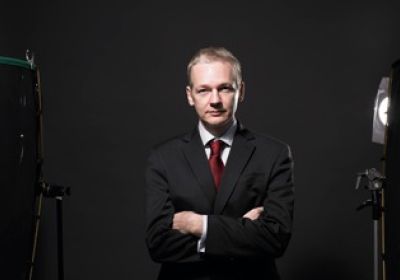
Following revelations that The New York Times liaised with the White House before publishing information supplied to it by WikiLeaks, the website’s editor-in-chief, Julian Assange, has revealed the British Guardian edited out “all sorts” of information before publishing US diplomatic cables.
-
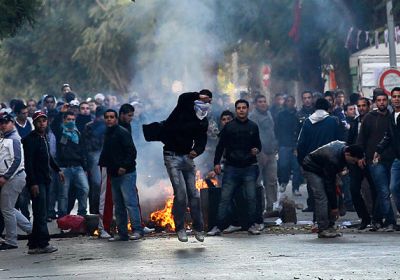
Disgraced Tunisian foreign minister Ahmed Ounaies resigned on February 13 from the interim government set up after dictator Zine El Abidine Ben Ali resigned on January 14 in the face of huge protests. The government has introduced fresh reforms as protests for democracy and economic justice continue in the north African country. Ounaies, a former diplomat whose appointment to the interim government was announced on January 27, described French foreign minister Michelle Alliot-Marie as “above all a friend of Tunisia”. -
Venezuelan foreign ministry official statement The president and commander-in-chief of the Bolivarian Republic of Venezuela, Hugo Chavez, in the name of the Venezuelan people, applauds the genuine lesson of political and democratic maturity that the courageous Egyptian people have brought before the eyes of the world.
-
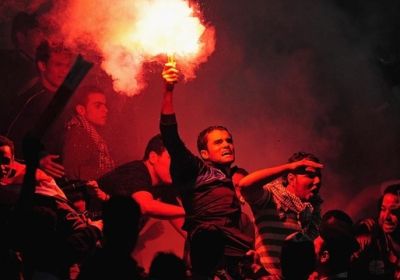
Over the decades that have marked the tenure of Egypt's "President for Life" Hosni Mubarak, there has been one consistent nexus for anger, organisation and practical experience in the ancient art of street fighting: the country's soccer clubs.
-
A joyous night in Cairo on February 11. What bliss to be alive, to be an Egyptian and an Arab. In Tahrir Square, they chanted: “Egypt is free” and “We won!”
-
WikiLeaks has released secret US diplomatic cables that show secret Australian government negotiations to sell uranium to India, despite it not being a signature to the Nuclear Non-Proliferation Treaty (NPT). Other cables show the government covered up details about its spy satellite program with the US. A leaked cable shows resources minister Martin Ferguson told US officials in 2009 that a deal to supply India with nuclear fuel could be reached within years, SMH.com.au said on February 10.
-
WikiLeaks has launched the WikiLeaks roundtable series, in which founder and editor Julian Assange addresses, in a short video, questions that people put to the organisation. This forum aims to cut out “intermediaries” such as the mainstream corporate media, and instead allow the whistleblowing site to speak directly with people. The first video was published on February 6. “We are going to put everyone on a level playing field,” Assange said. “All members of the press and all members of the public. -
United States Secretary of State Hillary Clinton, speaking at the Munich Security Conference Plenary Session on February 5, said the US had always stood for the principle “free people govern themselves best”.
-
US investigators have admitted their efforts to find grounds on which to prosecute WikiLeaks editor-in-chief Julian Assange over the whistleblowing website’s release of hundreds of thousands of classified US documents were in trouble.
-
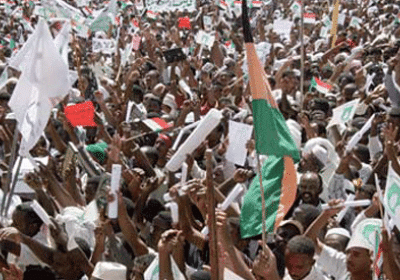
“The situation in Egypt is different than the situation of Sudan,” Sudanese government spokesperson Rabie Atti insisted to reporters after January 30 anti-government protests. “We don’t have one small group that controls everything. Wealth is distributed equally. We’ve given power to the states.” Atti proves one similarity between Hosni Mubarak’s regime in Egypt and that of Sudanese President Omar al Bashir: both make ludicrous public statements that show no understanding of reality or the consciousness of their populations.