
Six activists arrested in Harare, along with 39 others, were finally granted bail on March 16 after a month in jail. The activists were arrested for attending a video screening of footage from the people’s uprisings in Egypt and Tunisia.
However, the six need to raise US$12,000 to pay their bail — far more than they can afford. An appeal is being launched internationally to raise the funds needed to pay the activists’ bail (see below for details).
The bail conditions require the six to surrender passports and travelling documents. They must report three times a week to the police.
-
-
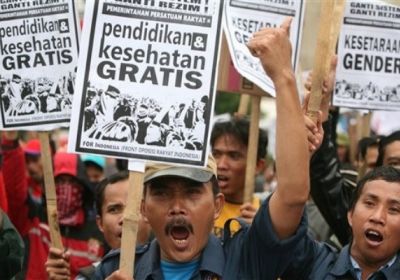 Progressive Indonesian website Berdikari Online said in a March 14 editorial that the recent US diplomatic cables published by WikiLeaks exposing the corruption of the Indonesian government confirmed what most Indonesians already knew. However, it said the leaks have further delegitimised the government of President Susilo Bambang Yudhoyono. In his two terms of government, the editorial said, Yudhoyono has imposed neoliberal policies and acted as a puppet of US imperialism.
 -
Sequences to freedom is a book of short poems written in February by Iranian poet Ali Abdolrezaei that has been translated into English by Abol Froushan. Abdolrezaei, from Gilan province, is now a refugee living in London. Abdolrezaei said: “I never thought that one day I would write purely political poetry, but the inhuman atrocity dealt by the Iranian regime nowadays is so beyond proportion that it is politics that is writing these poems.” Below are two of the translated poems published in Sequences to Freedom. * * *
-
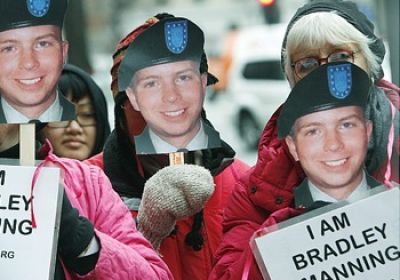 From the cramped prison cell that has become his home, 23-year-old Army Private Bradley Manning is cut off from the world. He has had no opportunity to share his side of what could be the biggest whistleblowing story the world has seen. What we do know of the alleged US war crimes whistleblower comes from the authority of friends and family — or from Adrian Lamo, the man who reported Manning to US authorities for allegedly leaking classified military documents to WikiLeaks.
 -
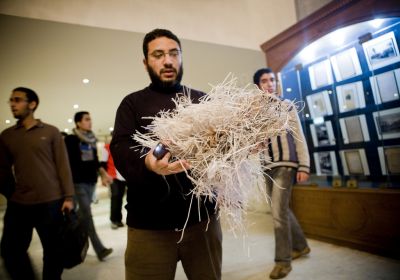 The much-feared secret police and intelligence service that protected the regime of former Egyptian President Hosni Mubarak by arresting, torturing and even killing opponents has begun burning documents and evidence that could incriminate them. This comes as calls escalate to abolish the force altogether and bring its officers to justice. Hundreds of protesters surrounded the main office of Amn al-Dawla, the State Security Police, in 6th of October City, on May 5 to try to stop the burning of files. Protesters shouted: “Justice, justice for they fired bullets on us.”
 -
The government in Yemen is becoming more desperate amid continuing protests across the country calling for the removal of President Ali Abdullah Saleh. Tensions came to a head when security forces fired on protesters at a university in the capital Sana'a, killing one person and wounding many others, AlJazeera.net said on March 9. Security forces also gassed the crowd with what is alleged to be nerve gas, SMH.com said on March 10. Despite the attack, thousands of protesters defied police and continued occupying the university square, AlJazeera.net said.
-
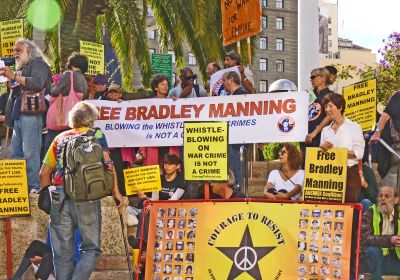 About 150 people rallied in Sydney on March 6 to call for an end to the persecution of WikiLeaks. The protest was organised by the Support WikiLeaks Coalition. The rally also called for the release from jail of US private Bradley Manning. For nine months, Manning has been held in isolation in US military prisons for allegedly leaking more than 250,000 US diplomatic cables to WikiLeaks. On March 2, the US army laid new charges against Manning, including the capital offence of “aiding the enemy”. If convicted, Manning could face the death penalty.
 -
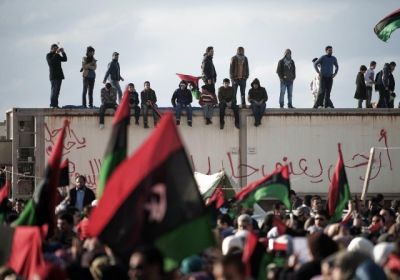 Saif al-Islam, the billionaire son of Muammar Gaddafi who was the neoliberal darling of Western governments until only recently, boasted in a March 10 interview with Reuters that forces loyal to his family were now on the offensive against rebel forces. NATO, for its part, has decided against military intervention — for the time being. However, France became the first government to recognise the rebel Interim Transitional National Council (ITNC) set up in Benghazi on March 5. AFP reported that French President Nicolas Sarkozy has also proposed “targeted air strikes” on Libya.
 -
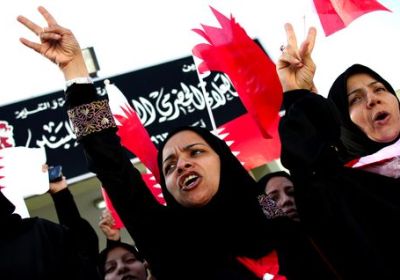 The pro-democracy protests in Bahrain and Saudi Arabia have the potential to have a huge impact on world politics. The stakes are very high. In Bahrain, Saudi Arabia’s tiny island neighbour, protesters have mobilised in their hundreds of thousands for weeks to demand the Khalifah royal family be removed from power. Bahrain is of great strategic importance for the West. It hosts the US Navy's fifth fleet and a US airbase. This helps ensure US control of the oil-rich Persian Gulf region and the ability to maintain a constant threat against Iran.
 -
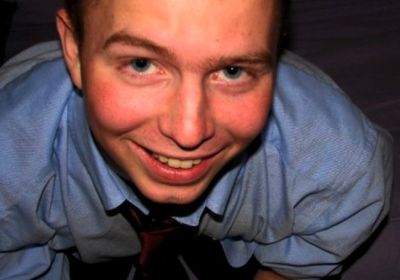
After months of investigation, the US Army has filed 22 new charges against US Army Private First Class Bradley Manning. The charges include “aiding the enemy” — a crime punishable by death.
-
Tunisian Prime Minister Beji Caid Essebsi announced on March 7 the dissolution of the country’s secret police arm, the British Guardian said that day. This step toward democracy is the most important taken by any Arab country for decades. Tunisia’s interim government also abolished the Ministry of Information, which had been in charge of censorship, allowing a free press to flourish, GlobalPost.com said on March 7.
-
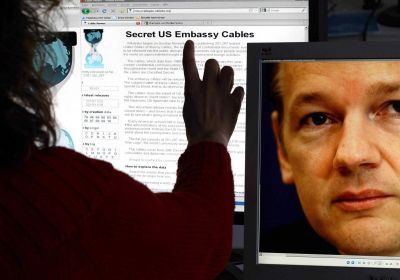 In a July 2010 interview with WikiLeaks editor-in-chief Julian Assange, TED.com’s Chris Anderson said WikiLeaks had released in just a few years more classified state and military documents than every other media outlet combined. “It’s a worry isn’t it,” Assange said. “That the rest of the world’s media is doing such a bad job that a little group of activists is able to reveal more of that sort of information than the rest of the world’s media.”