
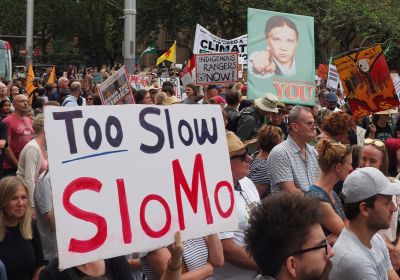
Ecosocialists and ecoanarchists need to come up with strategies to transcend the problems and avert catastrophic anthropogenic climate change, argues Hans Baer.
Ecosocialists and ecoanarchists need to come up with strategies to transcend the problems and avert catastrophic anthropogenic climate change, argues Hans Baer.

The growing discussion about system change is the result of how barbarous capitalism has become, writes Peter Boyle.
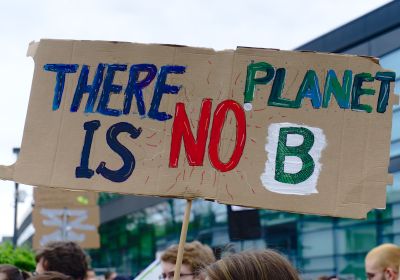
If carbon continues to be pumped into the atmosphere, we may see the end of complex societies and the extinction of most species, writes Shawn Hattingh. But, we can still avoid climate catastrophe and build a radically democratic, egalitarian and caring society.
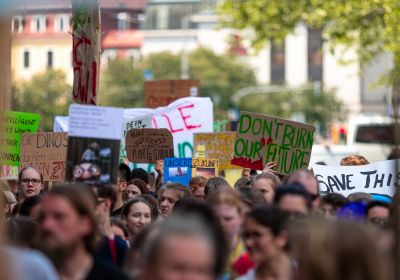
Public distrust in political parties and institutions is higher than it has been, yet we are a long way from where we need to be to even begin to challenge capitalism, writes Fred Fuentes. So what will it take to build the movement we need today?

The COVID-19 pandemic and anthropogenic climate change illustrate the need to transcend the capitalist world system with an ecosocialist one, argues Hans Baer.
Ecosocialism 2020, an online conference to be hosted by Green Left on October 24-25, will look at capitalist globalisation, the ecological crisis and campaigning for an alternative ecosocialist future.

Green Left is publishing this Ecosocialist Manifesto for discussion and further development at a series of Ecosocialism conferences in several cities next month.
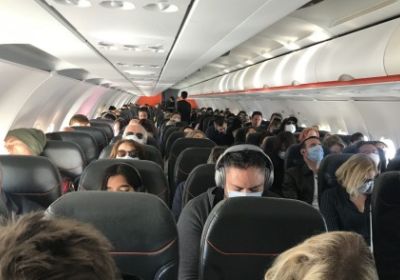
We've being advised by governments and health experts to engage in social distancing during the pandemic. But, as Hans Baer points out, this advice is not being followed by airline industry bosses, nor are they being penalised.
As the global climate emergency intensifies, this political ecological critique of the motor vehicle is timely and powerful, writes Andrew Chuter.

With sea level rise, superstorms, mega droughts, crop failure and mass species extinction, nature is forcing us to see what capitalism denies, the interconnectedness of all life on our ocean planet, writes Jess Spear. If we allow business-as-usual to continue, the impact on us will become greater and more severe.

The slogan ‘There’s no going back to normal’ has gained considerable popularity as governments are forced by social necessity to take emergency steps they would not normally countenanced. Peter Boyle looks at how we can keep and extend these measures to cope with the next crisis.
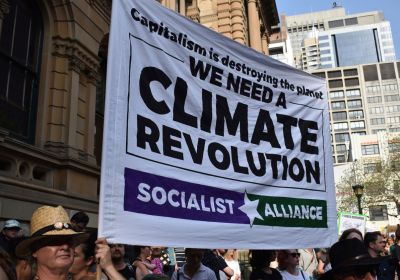
What’s stopping society from getting going on a serious global response to the climate emergency? What needs to be done to avert the threat to human survival? Peter Boyle and Pip Hinman look at the challenges and sketch some solutions.