-
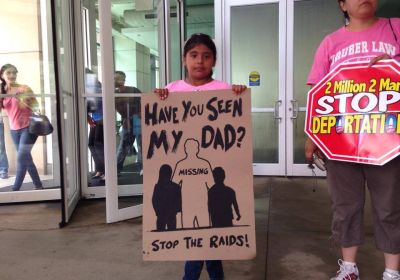
United States President Barack Obama pledged on June 30 that in the face of Republican intransigence on immigration, he would take executive action to ease the plight of undocumented immigrants facing deportation. On September 6, the White House announced that it would delay any action until after the November midterm election. Cristina Jimenez, managing director for United We Dream, an advocacy coalition for immigrants largely made up of young Latinos, said: “The President’s latest broken promise is a slap in the face of the Latino and immigrant communities.” -
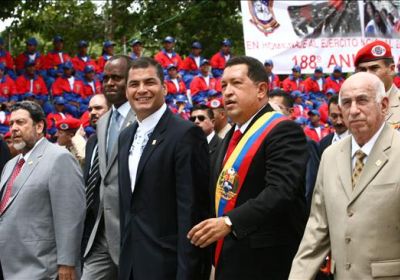
Cables sent from the US Embassy in Quito during Rafael Correa’s first three years as president document rising tensions between Ecuador and the US. Correa’s government, first elected in 2006, increasingly rejected US hegemony and asserted control over Ecuador’s economic and political development. The cables highlight the embassy’s preoccupation with Ecuador’s “difficult investment climate”, with many reports attempting to assess and predict Correa’s economic policies. -
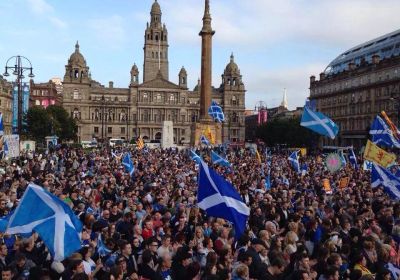
After two years of campaigning, Scotland’s independence referendum has ended. It saw victory for the No side, the opponents of independence with 55% backing compared to 45% who backed a Yes to independence. The referendum saw an unprecedented level of engagement and debate throughout Scotland. This was reflected in the huge and unprecedented turnout of 84.59%, reversing the trend of recent decades of dwindling poll turnouts. Some rural areas even recorded 100% turnout. -
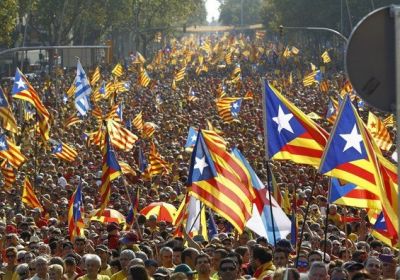
This year’s September 11 Catalan national day (Diada) demonstration, in support of the Catalan parliament’s planned November 9 popular consultation on Catalan statehood, was the biggest since the present cycle of mobilisations for Catalonia’s right to self-determination began four years ago. -
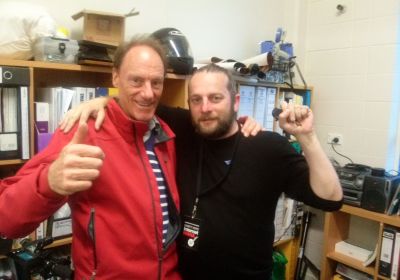
John Minto is a veteran New Zealand activist who became known as a leader of a powerful anti-apartheid campaign in the 1970s. More recently, he was part of organising some of the largest pro-Palestine demonstrations ever in New Zealand. -
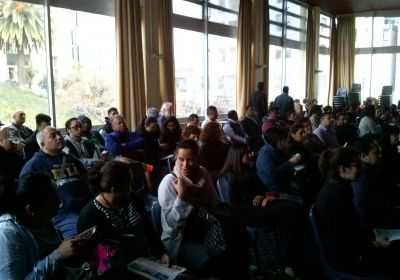
Laila Harre, the leader of the newly formed Internet Party, told a September 16 stop-work meeting in west Auckland organised by the FIRST and Unite unions, that state spying was not due to concerns about terrorism, but to target people who “organise for change”.
-
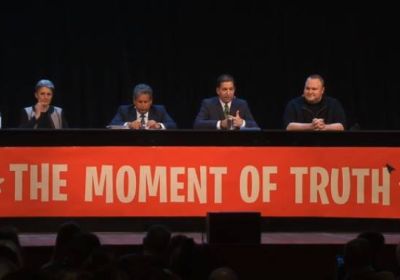
Immediately after the September 15 “Moment of Truth” public meeting — in which NSA whistleblower Edward Snowden exposed John Key’s National Party government complicity in the wholesale, and illegal, surveillance of New Zealanders — Internet MANA candidate in the September 20 elections, Joe Carolan, spoke to Green Left on the meeting’s significance.
-
It is a story that will be familiar to many residents of the Sydney suburb Millers Point: a suburb with long-standing public housing that provides affordable accommodation to low-income residents is at the centre government attempts, at the behest of property developers, to remove public housing tenants and free up land that just happens to feature prime water-side views. -
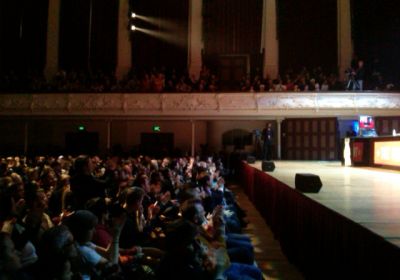
Auckland Town Hall was packed to overflowing on September 15, with almost 2000 people. They heard US National Security Agency (NSA) whistleblower Edward Snowden present new evidence that the New Zealand government has been collaborating with US authorities to carry out wholesale surveillance and data collection on NZ citizens.
-
Indonesian authorities are pushing for two French journalists arrested in West Papua to face trial and up to 20 years jail. Valentine Bourrat and Thomas Dandois, journalists working for French media company Arte TV, were in West Papua filming a documentary about human rights. They were arrested in Wamena on August 6. Indigenous leader Areki Wanimbo, who was interviewed by them, was also arrested. -
In a speech to the nation on September 2, Venezuelan President Nicolas Maduro announced “five revolutions”, as part of a campaign to “improve our service to the people”, Venezuela Analysis said on September 3. Maduro said the revolutions would be a “a new way of functioning” for the government. The five revolutions “should be united, and should define the government policies, giving power to the people, it will be the people who push government policy”.
-
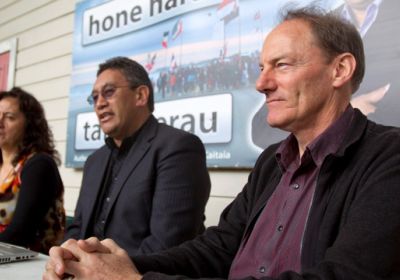
New Zealand goes to the polls on September 20. Amid a big scandal of government “dirty tricks”, the Mana Movement is pushing the interests of the working-class and Maori communities. Mana was formed when firebrand Maori Party MP Hone Harawira split over the Maori Party's support for a right-wing National Party government in 2011. It brings together militant Maori activists with other working-class and left forces.