The infrastructure and cruel policies to “deter” immigrants that Trump is using and expanding through edicts, were put in place by both Democrats and Republican in Congress and under both Democratic and Republican presidents, writes Barry Sheppard.
The infrastructure and cruel policies to “deter” immigrants that Trump is using and expanding through edicts, were put in place by both Democrats and Republican in Congress and under both Democratic and Republican presidents, writes Barry Sheppard.

SkyCity Casino workers in Auckland have voted overwhelmingly to take strike action on August 31, to force the company to compensate employees for working unsociable hours — which allows the casino to rake in profits at night and on weekends.
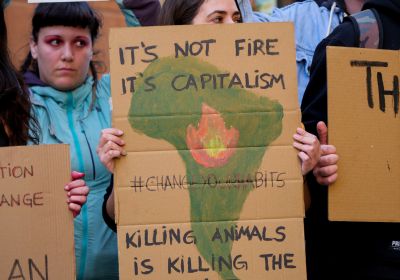
La Via Campesina is a global social movement that unites 148 groups representing small farmers, peasants, rural workers and indigenous communities around the world.
It fights for food sovereignty and ecologically sustainable agriculture.
It released the following statement on the Amazon fires on August 24.

Italian Prime Minister Giuseppe Conte announced his resignation on August 20, effectively ending the coalition government of Matteo Salvini’s right-wing Lega (League) and the Five Star Movement (M5S), which has been in power for 14 months, writes Daniele Fulvi.

The attempt to suppress official documentation of the ethnic cleansing of Palestinians in 1948 is not new, writes Ilan Pappe.

Nuclear experts and disarmament advocates are warning that the world is witnessing a new arms race after the United States tested a new missile on August 18.
The test would have violated a Cold War-era treaty President Donald Trump’s administration ditched on August 2, writes Jessica Corbett.
On August 17, Indonesian Independence Day, armed Indonesian police, soldiers and radical Islamic militia stormed a student dormitory in the Indonesian city of Surabaya (on the island of Java), which housed West Papuan students, arresting 43. The attack reportedly took place because the students had allegedly refused to raise the Indonesian flag.
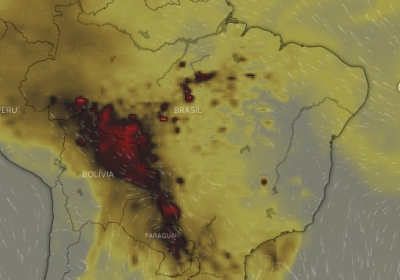
"The Amazon rainforest has been burning for three weeks! We are on the verge of losing it completely if the fire isn't put out. The loss of trees, the loss of biodiversity is what is accelerating climate change."

Human rights organisations, solidarity groups and the European Union have condemned the Turkish government’s removal of three democratically elected HDP (Peoples Democratic Party) mayors on August 19 and the arrests of more than 450 municipal officers and staff.