
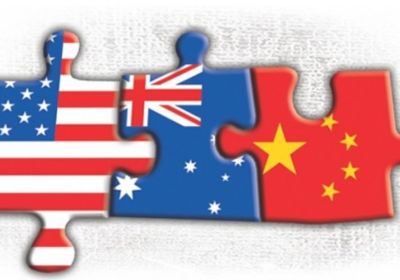
Backed by Scott Morrison and Peter Dutton, the "defence and strategic policy think tank" ASPI is a key player in drumming up a pre-election China threat, writes Marcus Reubenstein.
Backed by Scott Morrison and Peter Dutton, the "defence and strategic policy think tank" ASPI is a key player in drumming up a pre-election China threat, writes Marcus Reubenstein.
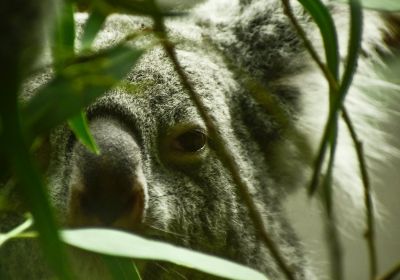
The PM has announced a funding package to boost the koala's long-term protection and recovery efforts. But, as Binoy Kampmark argues this avoids the two major causes for its population dwindling: climate change and habitat destruction through other means.

The rules-based order so admired by the Morrison government has a certain confected aura about it, argues William Briggs.
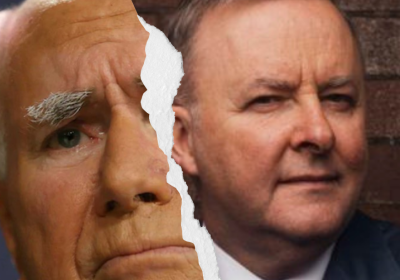
Labor opposition leader Anthony Albanese has described himself as “more Hawke or Howard and less Shorten”. Holy shit, writes Pat O'Shane.
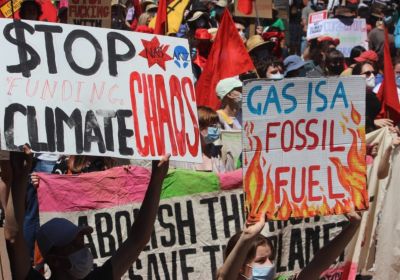
Climate change has the potential to bring about an overall break-down in important ecological and social systems, including agriculture and food production. Alex Bainbridge reports.
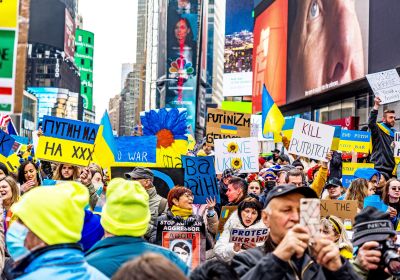
Given the potential for Putin’s horrific war on Ukraine to grow, an understandable impulse is to frame him as ‘evil’ and a threat to us all. Aleks Wansbrough argues that this bolsters the narrative that West cannot accede to any of Putin’s demands, thereby dooming Ukraine to Putin’s violence.
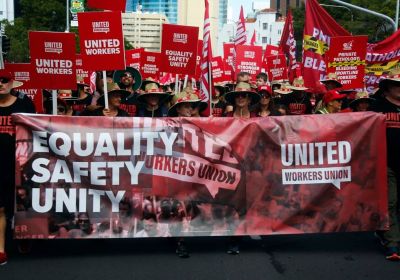
Wage growth for workers is at an all-time low while the cost of living for ordinary people is steadily rising. Sue Bolton argues only way to lift wages is if unions go on the offensive and build confidence among workers to take industrial action — legal or illegal.
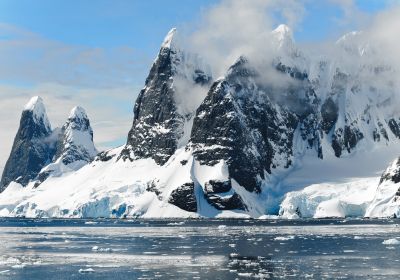
The federal government has announced a new funding package to increase strategic and scientific activities in Antarctica. Rupen Savoulian argues that while the funding will benefit science, geopolitical considerations are behind it.
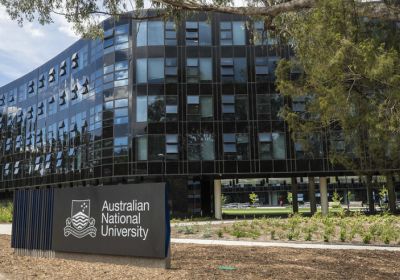
Why cut academic cooperation between universities and academic institutions? Australian universities’ singling out of Russia has a note of self-indulgence to it, argues Binoy Kampmark.

An ACTU report, released just before International Women's Day, is a timely reminder of just how little respect the Coalition government has for the majority of women. Isaac Nellist reports.

Who isn’t disgusted by the obscene wealth of the oligarchs who support a war-making tyrant like Vladimir Putin? Peter Boyle argues we should be equally sickened by our 'own'.
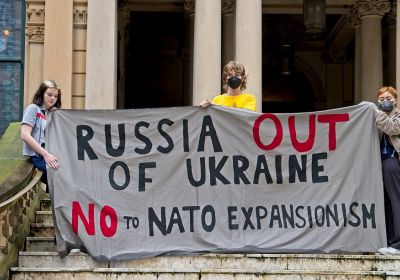
The mass media plays a big role in reinforcing prejudices and limiting capacity for independent thought, argues William Briggs. It is happy to condemn Russia's war on Ukraine, as it should, but it downplays US and NATO's meddling and provocations.