

Among those most hopeful for the future hydrogen economy is the fossil fuel industry and its allies, writes Justin Mikulka.
Among those most hopeful for the future hydrogen economy is the fossil fuel industry and its allies, writes Justin Mikulka.

The NSW government’s water management plan is in crisis after its floodplain harvesting regulations were rejected a second time. Tracey Carpenter reports.
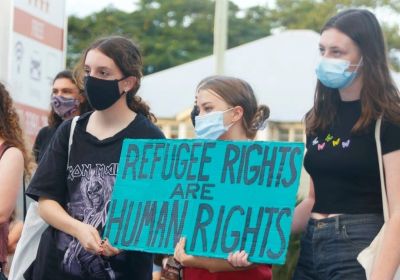
For the world's most persecuted people, the prospect of a return to 'normal' after the pandemic does not look very bright, writes Joanna Psaros.
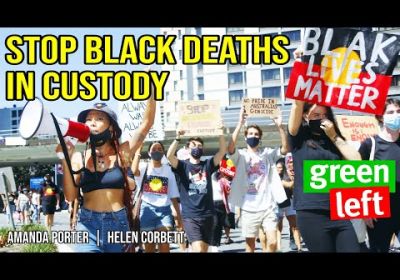
Amanda Porter and Helen Corbett discuss the campaign to stop Black deaths in custody, and the significance of the Royal Commission into Aboriginal deaths in custody.

Mary Merkenich reports on the findings of an Australian Education Union survey of education workers that said workload remained a major issue.
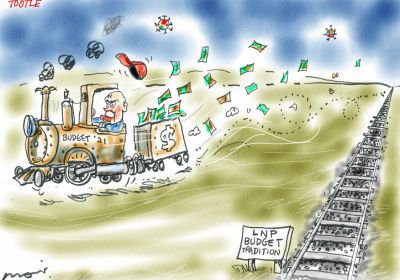
After eliminating almost all its generous pandemic spending measures, the federal government has indicated it will soft-peddle on further cuts in the May 11 budget. Neville Spencer reports.

It has long been common to falsely label critics of the Israeli government as “antisemitic”. Vivienne Porzsolt argues why this is a problem.

Aged care should not be a profit-making opportunity for giant corporations, argues Janet Parker.

Federal ministers have been brazenly beating the war drums in the latest round of verbal aggression against China, escalating the government’s anti-China propaganda to a dangerous new level, argues Peter Boyle.
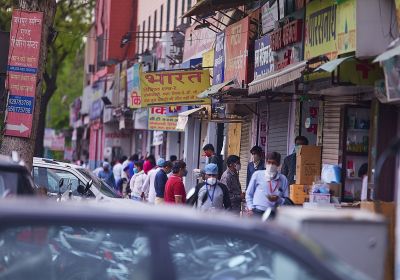
Alex Bainbridge, Sarah Hathway and Sam Wainwright put the case for a health and justice-focussed response to the devestating outbreak of COVID-19 in India.

Communist, trade unionist and class-struggle fighter for migrant rights George Zangalis died on March 25. Radicalised during the Greek civil war, Zangalis remained a fighter until the end, writes Sue Bolton.
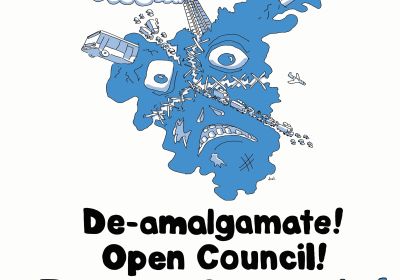
The forced amalgamation of three councils in the inner west of Sydney has not worked and residents need to be given a say, argues Peter Boyle.