-
-
-
-
-
-
-
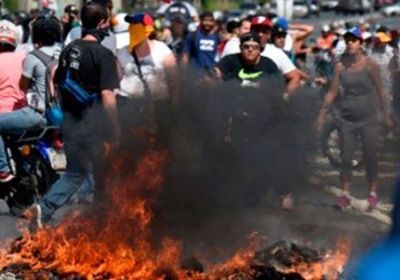
Thousands of Venezuela's right-wing opposition took to the streets in Caracas on September 1 in a menacing march labelled “the taking of Caracas”.
-
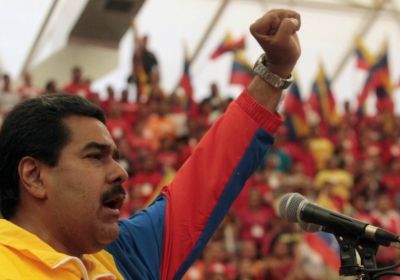
 Venezuelan President Nicolas Maduro warned his country’s right-wing opposition leaders on August 9 not to stir up violent unrest as the threat of a recall vote against him waned, the Morning Star said on August 11.
 -
 Members of the Merida communal council distributing food. Photo by Tamara Pearson.
It's been three years now of food shortages, inflation, and queues in Venezuela, and the millions of people involved in community and movement organizing have been the most affected. But they've also defied right-wing and general expectations, and even perhaps the expectations of the Maduro government, and have become stronger and better organized as a result of the hardships.
Members of the Merida communal council distributing food. Photo by Tamara Pearson.
It's been three years now of food shortages, inflation, and queues in Venezuela, and the millions of people involved in community and movement organizing have been the most affected. But they've also defied right-wing and general expectations, and even perhaps the expectations of the Maduro government, and have become stronger and better organized as a result of the hardships.
-
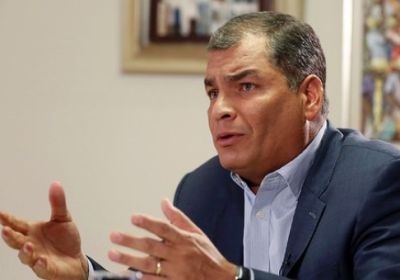 Ecuadorean President Rafael Correa spoke out on June 1 about efforts by right-wing political forces in Latin America to oust democratically-elected governments, saying that it would set a dangerous precedent for democracy in the region. “Right-wing politicians don't just want to return to power, they want to return with a thirst for vengeance,” said Correa during an interview with Ecuador Public Television.
 -
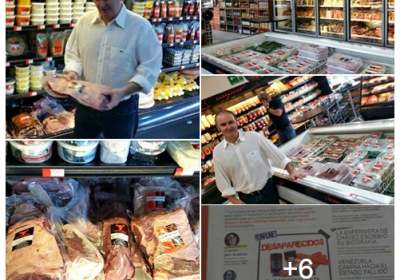 Agustin Otxotorena, a Basque executive living in Caracas, grew tired of constant calls from friends and relatives in Spain telling him that there was no food in Venezuela. So on May 20, he began publishing photos on Facebook of supermarkets in upscale sectors of Caracas filled with goods.
 -
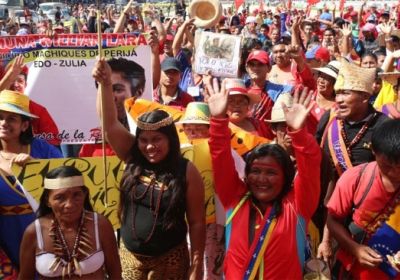
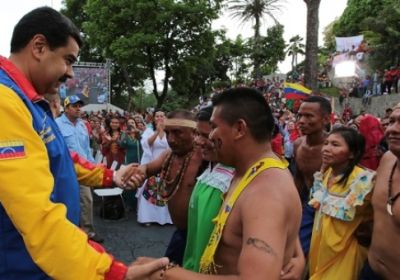 Indigenous communities representing various nationalities marched through the streets of Caracas on June 2 to show their support for the government of Nicolas Maduro and Venezuela’s Bolivarian Revolution. The groups taking part in the demonstration were responding to a call made by the government to develop grassroots solutions to the economic crisis the country is facing.
Nicolás Maduro
Nicolás Maduro