Arriving in Caracas, Venezuela’s capital, the first thing you notice is the extensive swathes of mountainside covered with poorly built, crowded, ad-hoc homes ― known locally as the barrios.
Arriving in Caracas, Venezuela’s capital, the first thing you notice is the extensive swathes of mountainside covered with poorly built, crowded, ad-hoc homes ― known locally as the barrios.
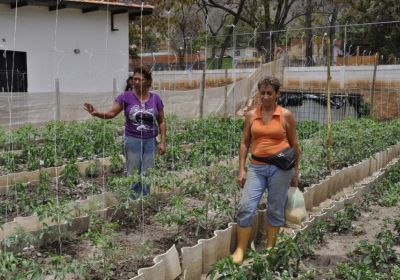
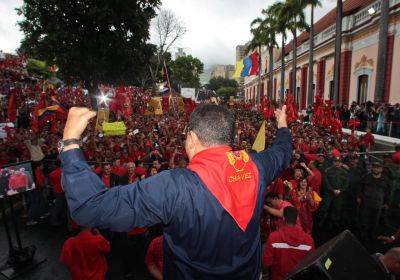
Thousands of peasant workers took to the streets of Caracas on July 26 to hand over a list of programmatic suggestions to the government and show their support for Venezuelan President Hugo Chavez.

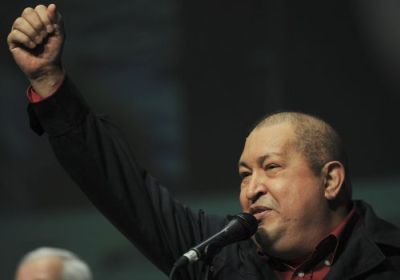
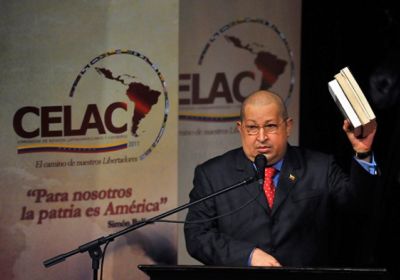
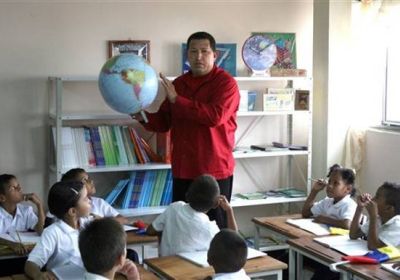
The oil-rich South American nation of Venezuela is in the midst of a complicated and contradictory process of social transformation. The revolutionary movement, headed by President Hugo Chavez, is redistributing wealth, bringing key industries under state ownership and promoting experiments in direct, participatory democracy. The aim of the Bolivarian revolution is to build a “socialism for the 21st century”.