-
-
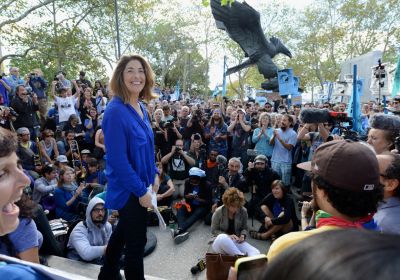
Canadian activist and writer Naomi Klein is the author of books that have helped define the thinking of the left for the past several decades.
Last month, Klein talked to Alan Maass about the whiplash pace of natural disasters and the unnatural factors that make them worse — and how we can fight back while working toward an alternative.
-
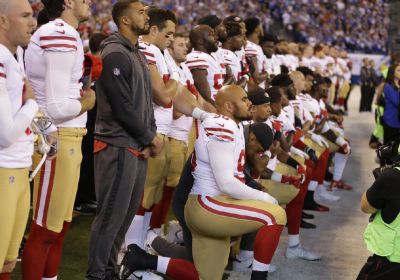
United States President Donald Trump has tried to focus the nation’s ire on anti-racist Black athletes. He tried to demonise them on the highest possible stage, calling for them to lose their jobs.
His transparent aim was to find a bogeyman to distract people from a cascade of scandal and failed legislation, and his administration’s disastrous response to the suffering in Puerto Rico.
Well, the results of this idiotic effort are in.
-
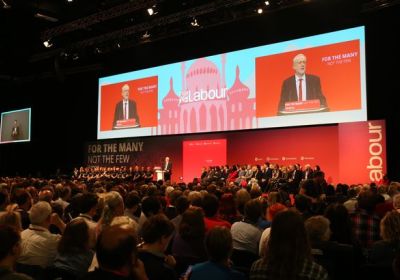
Delegates to the recent Labour Party conference in the English seaside town of Brighton seemed not to notice a video playing in the main entrance.
-
-
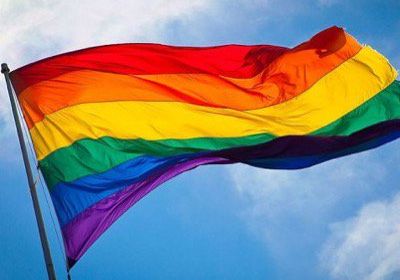
The United States has been criticised for voting against a United Nations resolution that sought to eliminate the death penalty for the LGBTIQ community. The US was among 13 nations including Saudi Arabia and Iraq to vote down the resolution.
-

The world media’s attention has focused on the very real humanitarian crisis gripping hurricane-ravaged nations in the Caribbean and regions of the United States, but the “world’s worst humanitarian catastrophe” (in the words of The New York Times in August) is in Yemen.
-

The award-winning Netflix animated black comedy show BoJack Horseman follows the misadventures of BoJack Horseman (Will Arnett), an anthromorphic horse and washed-up former TV star trying to remain relevant in Hollywoo (formerly Hollywood, until the “D” on the famous sign gets stolen).
-
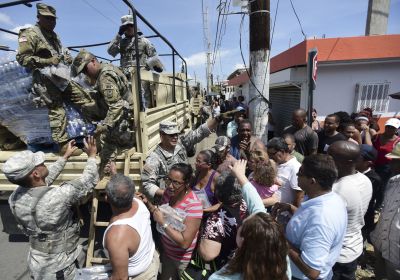
Puerto Rico is facing a huge humanitarian crisis after being hit by two super-strong hurricanes. It suffered a glancing blow by Irma and then a direct hit by Maria, both storms greatly strengthened by warmer ocean water caused by climate change.
The crisis is still unfolding weeks after Maria hit. The full picture and extent of the damage will not be known for some time.
-
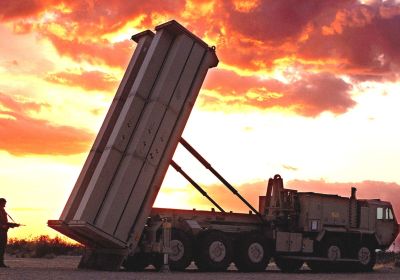
Over the past three months, the world has watched the escalating tensions between North Korea and the United States with growing alarm, writes Linda Pearson.
-
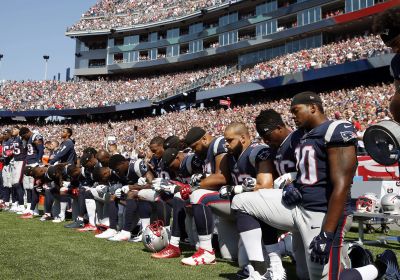
One year ago, Colin Kaepernick, then-quarterback for the San Francisco 49ers National Football League team, refused to stand for the US national anthem, famously kneeling instead. He was alone in his protest.
Over the weekend of September 23-24, tens of millions of football fans watched on TV as 200 mostly Black players knelt or raised their fists while the national anthem was sung. The rest of their teams stood in solidarity with their right to protest, arm-in-arm. In some cases, entire teams stayed in the locker room while the anthem played.
-
United States
United States