
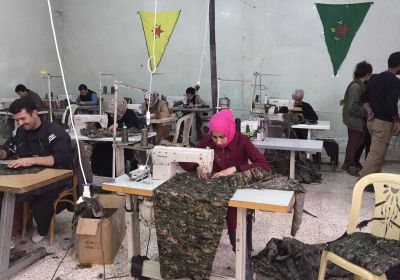
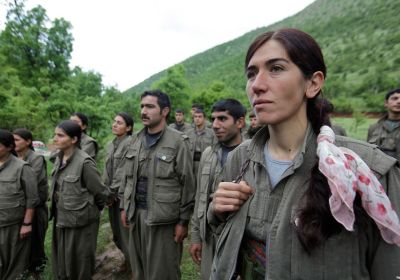
The struggles of Kurdish women in Rojava Kurdistan (Northern Syria) became known to many people in the world during the brutal attacks of ISIS against the city of Kobanê in September 2014.
The struggles of Kurdish women in Rojava Kurdistan (Northern Syria) became known to many people in the world during the brutal attacks of ISIS against the city of Kobanê in September 2014.
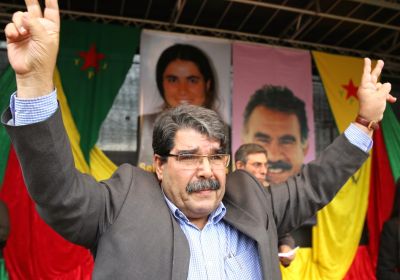
 On March 17, after a two-day meeting held in the town of Girkê Legê (Al-Muabbada) in Rojava (Syrian Kurdistan), a Constituent Assembly established a “Rojava-Northern Syria Democratic Federal System”.
The Constituent Assembly was attended by 31 parties and 200 delegates representing Rojava's Kobanê, Efrîn and Cizîrê cantons and the Kurdish, Arab, Assyrian, Syriac, Armenian, Turkmen and Chechen peoples of Girê Spî (Tal Abyad), Shaddadi, Aleppo and Shehba regions.
On March 17, after a two-day meeting held in the town of Girkê Legê (Al-Muabbada) in Rojava (Syrian Kurdistan), a Constituent Assembly established a “Rojava-Northern Syria Democratic Federal System”.
The Constituent Assembly was attended by 31 parties and 200 delegates representing Rojava's Kobanê, Efrîn and Cizîrê cantons and the Kurdish, Arab, Assyrian, Syriac, Armenian, Turkmen and Chechen peoples of Girê Spî (Tal Abyad), Shaddadi, Aleppo and Shehba regions.
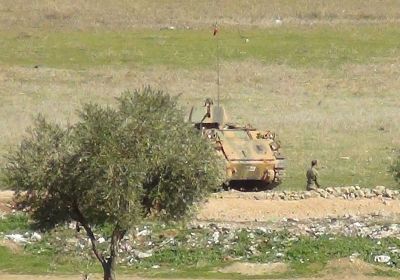
Russian Prime Minister Dmitri Medvedev said in an interview with German newspaper Handelsblatt on February 11 that a threatened ground invasion of Syria by Western allies Turkey and possibly Saudi Arabia would lead to a “new world war”. On February 18, Hawar News Agency reported that “dozens” of Turkish armoured vehicles had advanced 200 metres across the Syrian border.
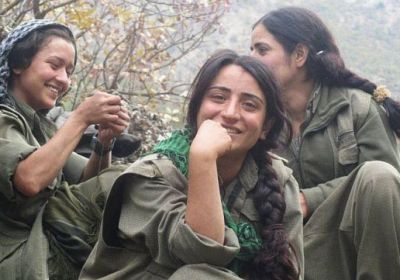
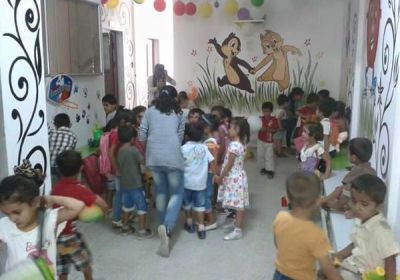
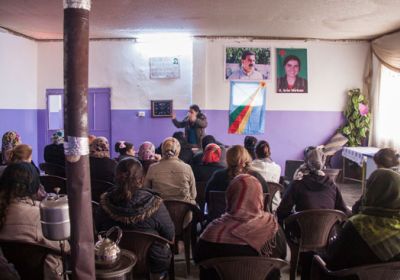
Syria can seem an endless black hole of misery. But in the northern, largely Kurdish region of Rojava, it is also the scene of a profoundly democratic and humanist revolution, which places the rights of ethnic minorities and women's liberation at its centre.