Ten years after the Oaxaca Commune of 2006 — when for nearly six months workers, students, peasants, women, youth, indigenous peoples and urban poor brought the government of the southern Mexican state to a virtual standstill — teachers in the Mexican state are back on the barricades. Once again, the state has responded with brute force.
Mexico
Ten years after the Oaxaca Commune of 2006 — when for nearly six months workers, students, peasants, women, youth, indigenous peoples and urban poor brought the government of the southern Mexican state to a virtual standstill — teachers in the Mexican state are back on the barricades. Once again, the state has responded with brute force.
On June 25 a vigil was held outside the State Library of Victoria in Melbourne to pay tribute to the Mexican teachers who were murdered by police during protests organised by the CNTE teachers' union in Oaxaca last week.
The teachers have been rallying against the privatisation of education by the government of Enrique Peña Nieto and for democratic reform in the education system.
The scene outside the La Madame bar in Veracruz, Mexico. Photo: Yerania Rolón, Blog Expediente.
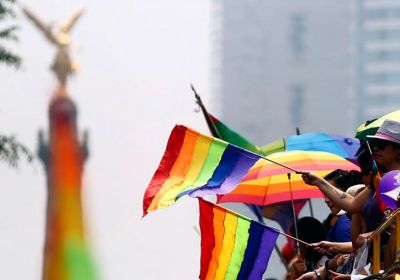
Reactions by politicians and the media around the world to the horrific mass murder at an Orlando LGBTI club on June 12 have largely focused on the attacker’s alleged links to Islamic extremists — despite the killer pledging allegiance to both the Islamic State group and its nemesis Hezbollah.
CNTE protest against neoliberal education reform, Mexico City, June 24. Photo: TeleSUR.
Marathon talks between the Mexican government and teachers protesting neoliberal education reforms in the face of deadly repression ended on June 22 with no resolution, TeleSUR English said the next day.
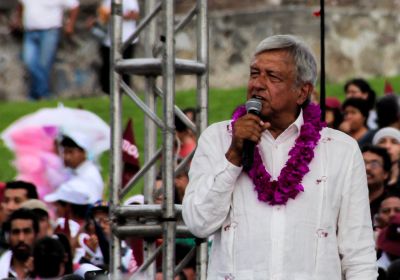
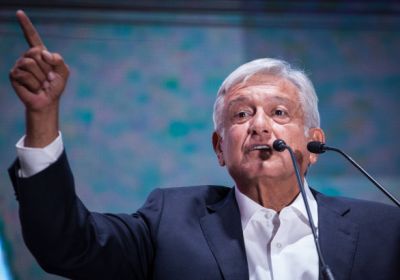
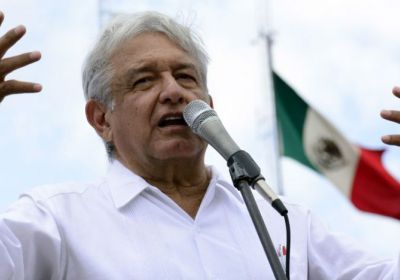
Prominent Mexican left-wing politician Andres Manuel Lopez Obrador demanded on January 10 to know how the authorities could catch an escaped gangster, but were unable to find the 43 students kidnapped in Ayotzinapa in Guerrero state in September 2014.
The National Regeneration Movement (Morena) leader and twice presidential candidate hit out at the government following the arrest of Sinaloa Cartel drug kingpin Joachin “El Chapo” Guzman on January 8.
The student teachers from Ayotzinapa, meanwhile, are feared dead at the hands of a gang. Their remains have not been found.
The controversial Trans-Pacific Partnership (TPP) is slated to hit Mexico with more food insecurity and hard times for farmers by extending tariff exemptions to more countries.
The TPP has been negotiated, largely in secret, by 12 Pacific nations and incorporates 40% of the world's GDP. The deal is still to be ratified by parliaments of signatory countries of Australia, Brunei, Canada, Chile, Japan, Malaysia, Mexico, New Zealand, Peru, Singapore, United States and Vietnam.
Hurricane Patricia — the most intense hurricane ever recorded in the Western Hemisphere — was downgraded to a tropical depression on October 24. It offered a reminder of the consequences of a warming planet.
Unionists, rural workers and environmentalists are coming together in Arequipa, in southern Peru, to halt the proposed Tia Maria copper mine. The mine project belongs to Southern Copper Corporation, a subsidiary of Grupo Mexico.
Mine opponents are demanding respect for workers' rights, community democracy and involvement in development decisions, and protection for the ecosystem and rural farmers.
The Trans-Pacific Partnership (TPP) being negotiated between the US and 11 other Pacific Rim nations — including Australia — is a treaty covering regulations and investments.
It is being negotiated in secret from the peoples of the affected nations, but not from the corporations that are set to benefit from the deal — as chapters leaked by WikiLeaks reveal. For the US side alone, about 600 corporate representatives are neck deep in the negotiations.
The US government issued a congratulatory statement on June 9, praising the Mexican people after June 7 elections, despite large protests and boycotts held by activists and teacher unions across the nation.
The elections were marked by violence, but the US Department of State considered the process democratic, saying: “We congratulate the people of Mexico for exercising its democratic right to vote and choosing its leaders.”