
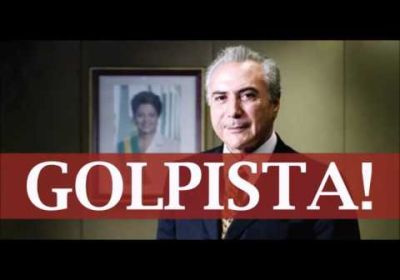
More than two-thirds of Brazilians assess the coup government of acting president Michel Temer unfavourably and 32% think he is even worse than expected, a new poll by Vox Populi revealed on June 14.
Temer has been acting president since elected President Dilma Rousseff was suspended by Brazil’s Senate through an impeachment process viewed by many as a right-wing coup.
Temer was already a widely unpopular politician in Brazil. However, his first month as president and a series of unpopular measures, as well as a few scandals, have pushed his approval ratings even further south.
 I just returned to the United States from Rio de Janeiro, where I was researching a story on the Olympics in August for The Nation.
People spoke to me about the displacement and police violence that are accompanying the games. Yet one of the hottest points of discussion emerged from outside the country: a call to move, or at least postpone, the Olympics to prevent the global expansion of the Zika virus, currently exploding in Rio.
I just returned to the United States from Rio de Janeiro, where I was researching a story on the Olympics in August for The Nation.
People spoke to me about the displacement and police violence that are accompanying the games. Yet one of the hottest points of discussion emerged from outside the country: a call to move, or at least postpone, the Olympics to prevent the global expansion of the Zika virus, currently exploding in Rio.
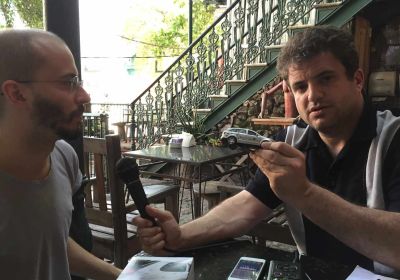
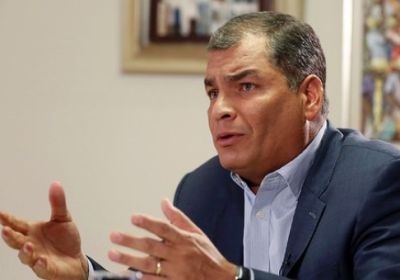
 A community assembly as part of a communal council in Caracas. Photo by Rachael Boothroyd Rojas/Venezuela Analysis.
Leading Marxist author Michael Lebowitz spent six years (2004-2010) in Venezuela working as a director of the program for Transformative Practice and Human Development at the Miranda International Centre (CIM) in Caracas. There, he had the chance to take part in the building of socialism for the 21st century.
A community assembly as part of a communal council in Caracas. Photo by Rachael Boothroyd Rojas/Venezuela Analysis.
Leading Marxist author Michael Lebowitz spent six years (2004-2010) in Venezuela working as a director of the program for Transformative Practice and Human Development at the Miranda International Centre (CIM) in Caracas. There, he had the chance to take part in the building of socialism for the 21st century.
 The overthrow of Brazil’s President Dilma Rousseff in an institutional coup by right-wing forces has been justified by allegations of corruption — even though issue Dilma is being impeached on is use of a relatively normal government spending mechanism.
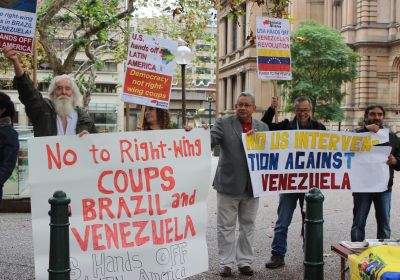
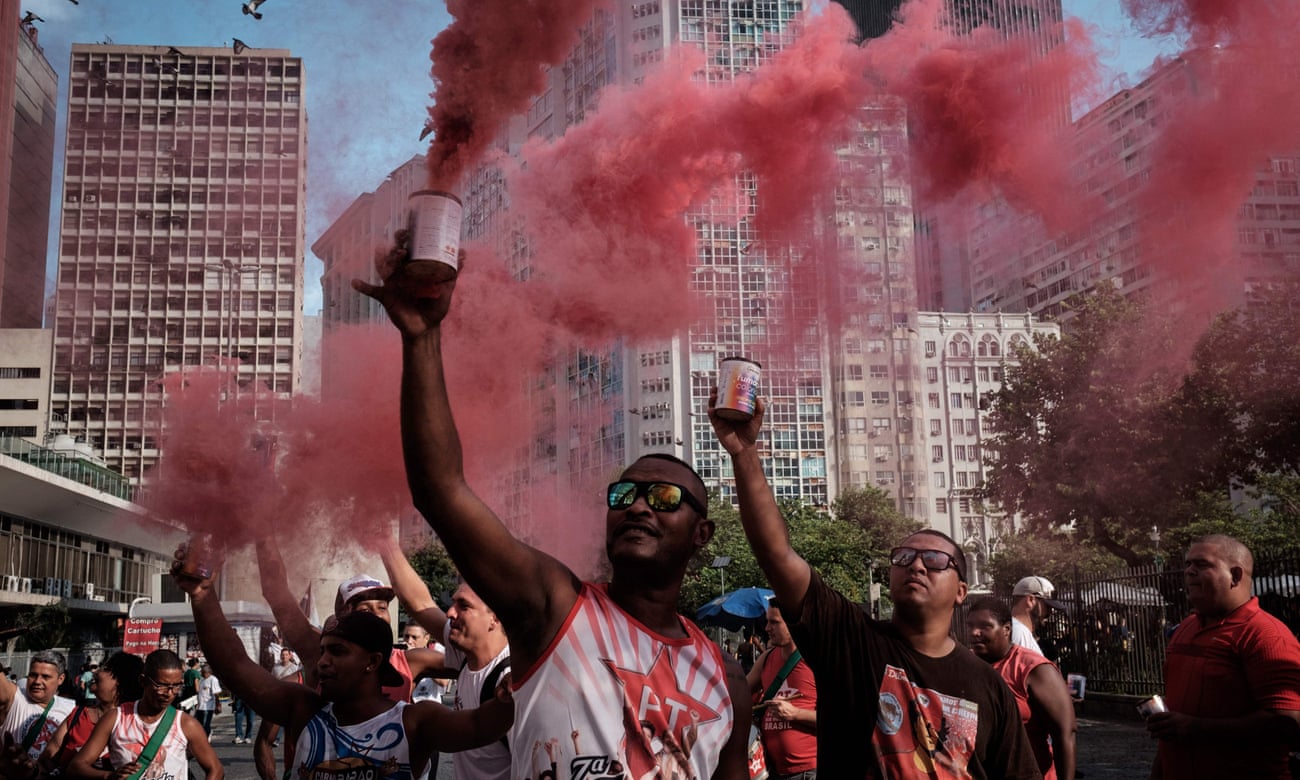 Anti-coup protesters on the streets of Rio de Janeiro in April.
In what has been widely condemned as a US-backed right-wing power grab to impose harsh neoliberal measures, Brazil’s Workers’ Party (PT) President Dilma Rousseff was forced to stand aside by Brazil’s Senate on May 12 while she faces impeachment procedures.
Anti-coup protesters on the streets of Rio de Janeiro in April.
In what has been widely condemned as a US-backed right-wing power grab to impose harsh neoliberal measures, Brazil’s Workers’ Party (PT) President Dilma Rousseff was forced to stand aside by Brazil’s Senate on May 12 while she faces impeachment procedures.
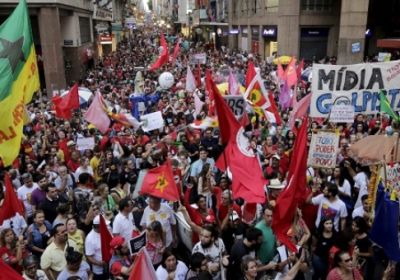
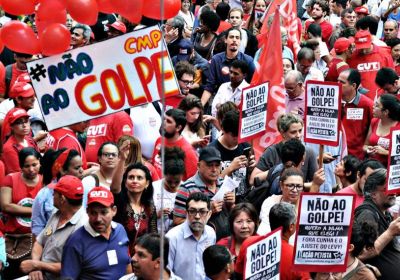
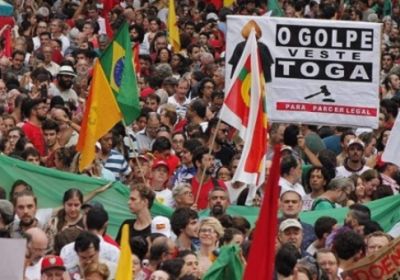
 A National Day of Action to Defend Democracy was held on March 31, to oppose the coup plot against Dilma and mark the anniversary of the 1964 military coup.
Right-wing forces in Brazil are seeking to impeach Workers' Party (PT) President Dilma Rousseff in what has been widely condemned as an “institutional coup”.
A National Day of Action to Defend Democracy was held on March 31, to oppose the coup plot against Dilma and mark the anniversary of the 1964 military coup.
Right-wing forces in Brazil are seeking to impeach Workers' Party (PT) President Dilma Rousseff in what has been widely condemned as an “institutional coup”.