-
-
-
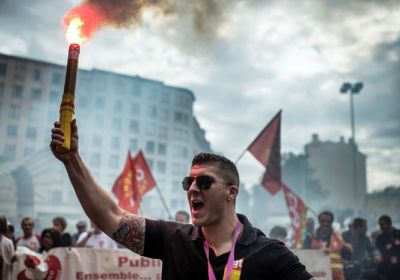
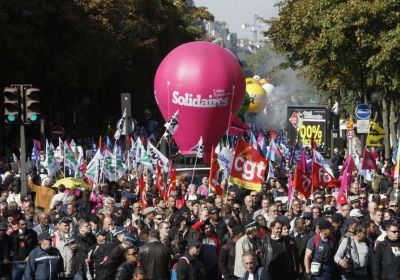
Hundreds of thousands of workers, retirees and students joined a third day of strikes and protests across France on October 10. The protests are part of ongoing efforts by unions, left parties and progressive organisations to defeat attacks on workers and the public service by President Emmanuel Macron.
Protests were held in 140 cities and towns and drew 400,000 people into the streets.
At the centre of the day was a strike called by the nine union confederations active in France's public sector.
-
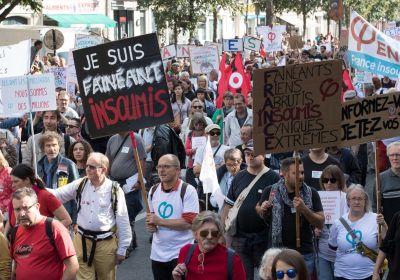
France’s Council of Ministers approved five ordinances on September 22 that undermine union power and employment rights within France’s Labour Code, which came into effect the next day.
The government imposed these changes by using undemocratic measures in France’s constitution, which allows it to push new measures into law without passing legislation through parliament.
In the face of this, the movement against the changes continues to build.
-
-
-
-
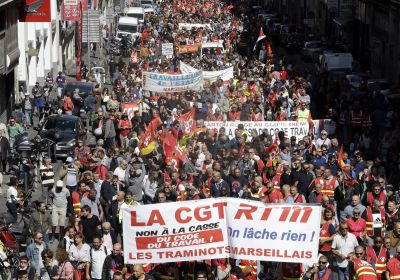
France’s militant unions held the first major day of protest on September 12 against the ordinances introduced by the government to undermine the country’s labour laws.
Their protests were seen as the start of the campaign to defend workers’ rights. It served as a major test for the capacity of the movement to mobilise working people while France’s unions are divided as to how to respond to the attacks.
-
-

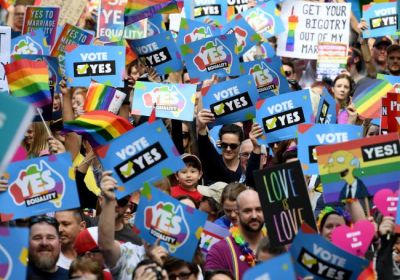
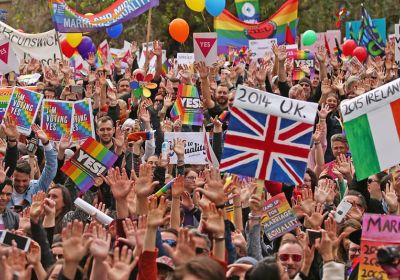
Despite widespread community opposition and the Senate's repeated rejection of a plebiscite the Malcolm Turnbull government is persisting with a non-binding postal survey on the question of removing the current definition of marriage from the Marriage Act and replacing it with an unspecified definition that will provide for marriage equality in some unspecified form.
-
-
Lisbeth Latham
Lisbeth Latham