
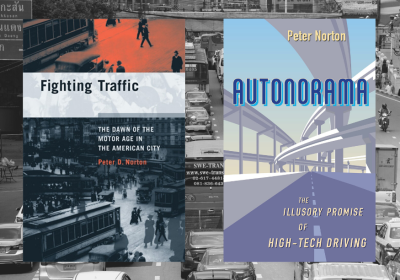
Andrew Chuter reviews two books by Peter Norton that trace the rise and rise of the private car.
Andrew Chuter reviews two books by Peter Norton that trace the rise and rise of the private car.
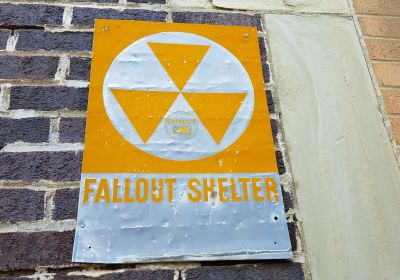
Serco has been forced to abandon plans to bid for contracts at Britain’s Atomic Weapons Establishment after investors threatened to sell their shares in the company, reports Linda Pearson.

The US Department of Commerce revealed on November 3 that it would be adding Israeli-based spyware developers NSO Group and Candiru to its blacklist, reports Binoy Kampmark.

Binoy Kampmark argues that the shortcomings of the COVIDSafe app provide a lesson in exaggerated prowess and diminished performance.
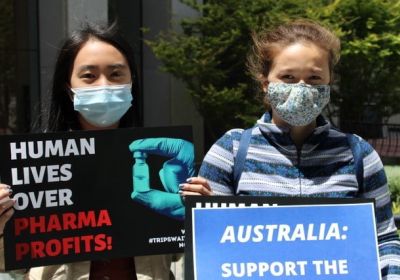
Civil society organisations are calling on the government to join the growing number of countries supporting a patent waiver on the COVID-19 vaccine, reports Jim McIlroy.

Renee Lees reports that residents protested outside the site of the world’s biggest arms dealers — Thales and BAE Systems — as part of the Disrupt Land Forces action.
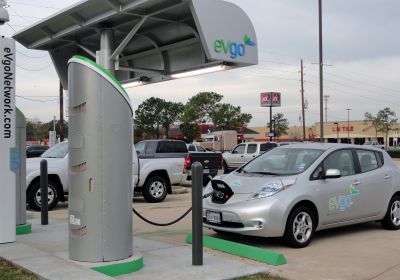
Among those most hopeful for the future hydrogen economy is the fossil fuel industry and its allies, writes Justin Mikulka.

A federal committee looking into insecure work has received submissions from a range of workers' organisations as well as the big gig corporations. Jim McIlroy and Markela Panegyres report.
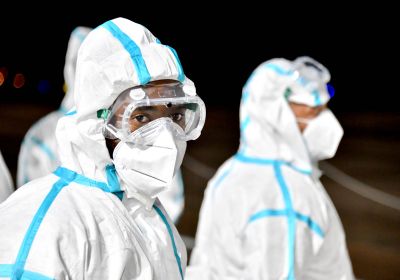
Removed from the world’s prevailing vaccine distribution network, Cuba is the only nation in the Latin American and Caribbean region to develop its own vaccines against COVID-19, writes Ian Ellis-Jones.
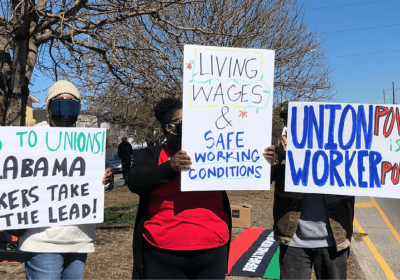
When studying the factors that led to the failure of US workers at Amazon to unionise, writes Malik Miah, we should learn from one of the greatest organising periods in the United States: the 1930s.
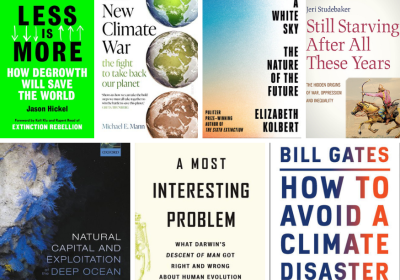
Climate and Capitalism editor Ian Angus introduces six new books that are worth reading — and one that isn’t.

Green Left journalist and film maker Zebedee Parkes talks about his criticisms of the News Media Bargaining Code.