
The Refugee Action Coalition released this statement on June 21.
***
Asylum seekers are angry and upset at the death of an Afghan asylum seeker in the Villawood detention centre on June 20.
According to witnesses inside the detention centre, Serco guards left the man, named Ali, on the ground for almost an hour before calling an ambulance.
He was taken from the centre around 7.30pm and died later that night.
-
-
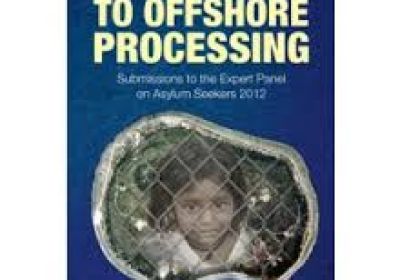 About 90 people attended the launch of a new book by Labor for Refugees titled Alternatives to offshore processing on June 17.
 -
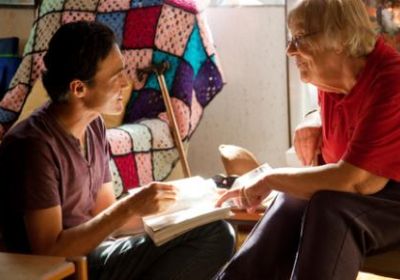 Mary Meets Mohammad Directed by Heather Kirkpatrick www.marymeetsmohammad.com If you thought that knitting and controversial current affairs don’t mix, then think again. Mary Meets Mohammad is a fantastic first feature length documentary by Tasmanian film maker Heather Kirkpatrick. It has received rave reviews by cinema-goers in Tasmania and will soon be screened in cinemas across the country.
 -
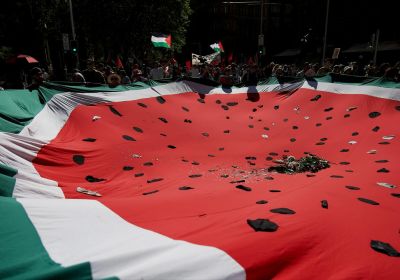
World Refugee Day rally in Perth. Features music from Junkadelic and speeches by Tamil and Hazara refugees, Amer Saabi from the Palestinian community, Rob Callan from Refugee Rights Action Network and Greens senator Scott Ludlam.
-
Green Left TV's coverage of the Sydney World Refugee Day rally, held on Sunday June 16.
-
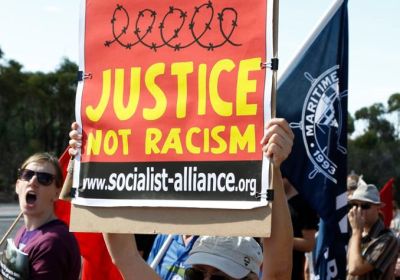 During this year alone, an estimated 128 people have drowned or vanished trying to seek asylum in Australia. By June 14, up to seven asylum boats trying to reach Christmas Island had foundered, sunk or been stranded. This includes the boat that sank in Indonesia’s Sunda Strait in April, when Australian authorities failed to give accurate coordinates of the foundering vessel to Indonesian search and rescue. Up to 58 people drowned, 53 of whom were never retrieved.
 -
 In the latest bid to convince desperate people not to seek safety in our country, the federal government is running an ad campaign on primetime Afghan TV directed at members of the persecuted Hazara ethnic minority.
 -
 A new website has published the biggest set of immigration detention records in Australia to date. It will provide unprecedented verification of the endemic self-harm and psychiatric crises that refugee rights campaigners have independently reported for years.
 -
 World Refugee Day comes amid reports of more deaths at sea, forced deportations to torture and execution, malaria in the offshore camps in Nauru and Manus Island, suicide in detention, babies imprisoned as security threats and revelations of refugees on bridging visas without food, housing or work rights. A competition in cruelty
 -
The Refugee Action Coalition held a public forum on June 3 titled: “Bridging Visas, Community Detention: what rights do asylum seekers in the community have?” About 12,000 asylum seekers who have arrived since August 13 last year are living in the community on “bridging visas”. August 13 was when the government introduced the “no advantage” policy and ceased processing refugee applications. Refugees on bridging visas receive less than the paltry Newstart allowance with little support. They could be sent to detention on Nauru or Manus Island at any time.
-
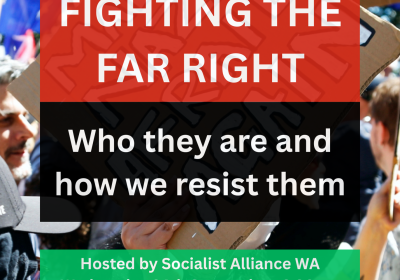
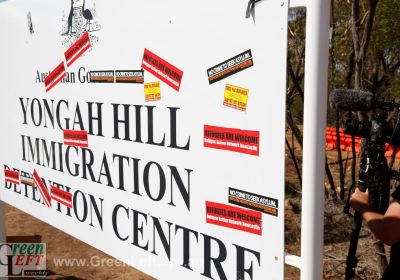
Documentary about the national refugee rights convergence to the Yongah Hill detention centre near Northam in April 2013. Features interviews with Jay Fletcher, Liz Walsh, Ben Solah, Mark Goudkamp and others. See also Green Left's live blog from the convergence with photos, videos and other reports.
-
 As asylum seekers face years of detention in the Nauru and Manus Island detention camps, where not a single claim has been assessed, the Australian government refuses to answer to scrutiny or calls for human rights oversight. The ABC’s Four Corners and SBS’s Dateline have now tried to investigate the conditions inside each “regional processing centre”. The camps are believed to be abysmal, inadequate and places of widespread physical and psychological breakdown among detainees.