
Green Left journalists Isaac Nellist and Aneesa Bhamjee go through the latest news from across the continent and around the world.
Green Left journalists Isaac Nellist and Aneesa Bhamjee go through the latest news from across the continent and around the world.
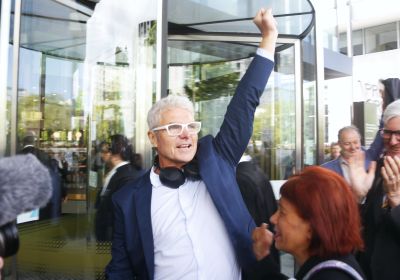
War crimes whistleblower David McBride received a hero's welcome when he arrived to face court, writes Alex Bainbridge.
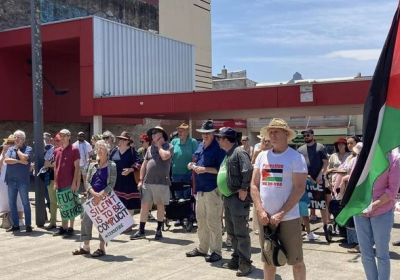
More than 100 people gathered at the former Blue Mountains library to call for a ceasefire in Gaza. Aaisha Slee reports.
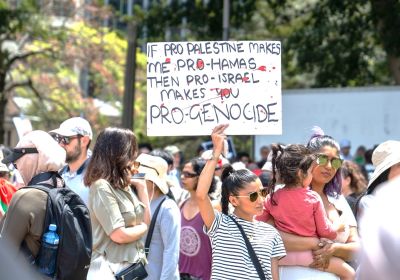
Jacob Andrewartha argues that the more capitalist leaders try to normalise Israel’s genocidal war on Gaza, the more the movement for Palestine will grow and we all need to help.
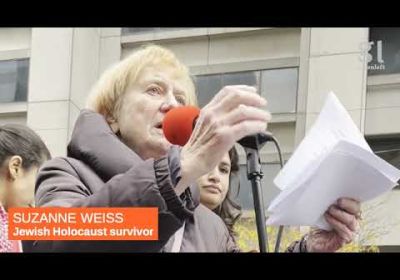
Suzanne Weiss, a Jewish Holocaust survivor, socialist activist and author, condemned Israel for turning Gaza into a “death camp”.

Youngsu Won is a socialist and coordinator of the International Forum in South Korea. Speaking to Green Left’s Federico Fuentes, he discusses how rising tensions between the United States and China impact South Korean politics.
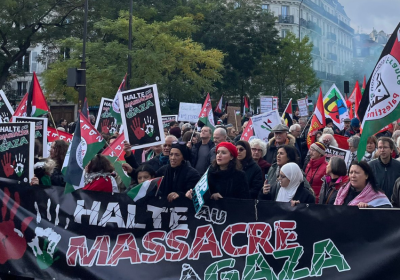
A mass demonstration in Paris on November 12 purported to oppose rising antisemitism, but was, in fact, aimed at crippling the pro Palestine movement. John Mullen explains.
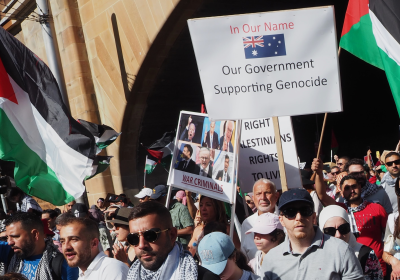
Researchers and human rights activists say the public has a right to know about Australia’s export of arms material to Israel, especially as they are being used to kill Palestinian civilians. Peter Boyle reports.
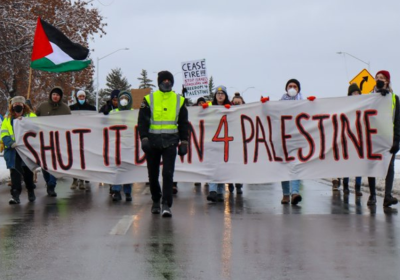
As the Israeli bombardment of Gaza has extended more than a month, Palestine solidarity movements in Canada have shifted in tone and focus, reports Jeff Shantz.
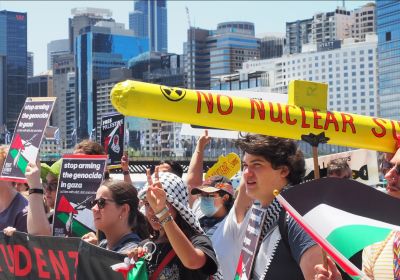
Draconian bail conditions have been imposed on activists protesting a weapons expo, after some were assaulted by arms dealers. Jim McIlroy reports.
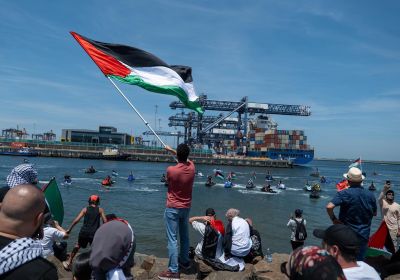
Israeli container shipping line, ZIM, has been forced to divert its routes following a new trade union-led campaign to prevent it from providing support to the Israeli Defense Force. Pip Hinman reports.