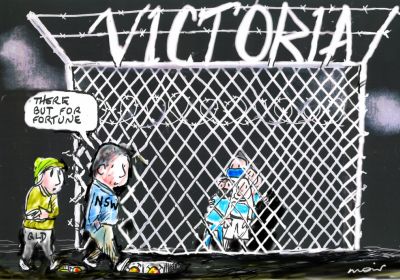
As Victoria enters its second week of COVID-19 lockdown, there are calls for a broader debate on suppression versus elimination strategy. Sue Bull argues we need to do the latter.
As Victoria enters its second week of COVID-19 lockdown, there are calls for a broader debate on suppression versus elimination strategy. Sue Bull argues we need to do the latter.
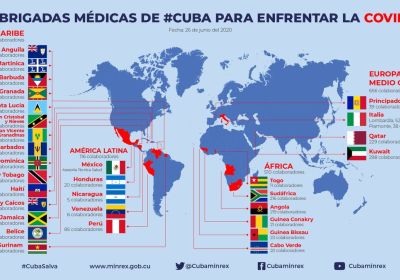
Cuba is only a few days away from ending its coronavirus quarantine. Except for Havana, all the other provinces are free of the contagion and have begun moving toward a new normality, writes Fernando Ravsberg.

Two-thirds of all COVID-19 testing in South Africa has been conducted in costly private hospitals. This is raising questions as to whether the most vulnerable sections of the population are being tested sufficiently, writes Pavan Kulkarni.
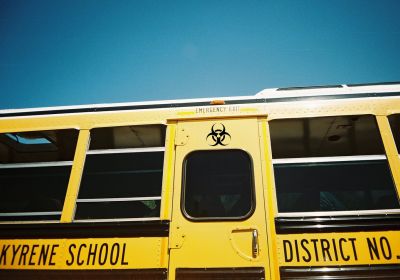
In the midst of a surge in COVID-19 cases, President Trump is demanding schools be completely reopened in August-September, putting students and staff at risk, writes Barry Sheppard.

Voices from the Blocks, a group of North Melbourne and Flemington public housing residents, is asking the Victorian government to take on board its suggestions on how to deal humanely with the COVID-19 outbreak in their homes.
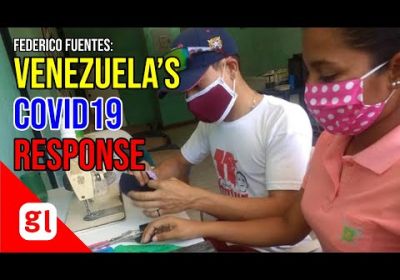
Australia-Venezuela Solidarity Network national co-convenor and Green Left journalist Federico Fuentes speaks about Venezuela's response to COVID-19.
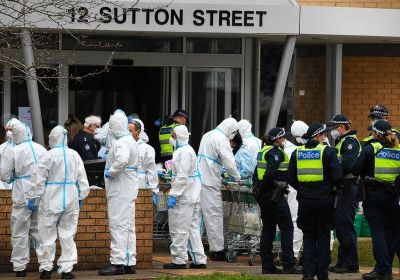
Victorian premier Daniel Andrews says there was no handbook for dealing with the Melbourne towers outbreaks. But local and international experiences in containing the COVID-19 pandemic prove this outbreak could have been avoided — and should never have ended up being handled like this, writes Fred Fuentes.

Venezuela’s success in fighting COVID-19 has come despite a public health system and economy crippled by an economic blockade, destabilisation plots and an attempted invasion, notes the Asia-Pacific Venezuela Solidarity Network.
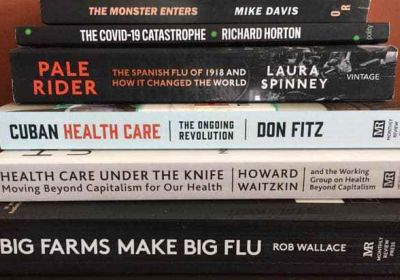
Climate and Capitalism editor Ian Angus recommends six books for understanding the deadliest global health crisis of our time.
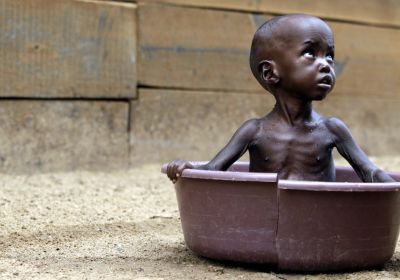
A new study estimates the economic shock from the COVID-19 pandemic could add a further 80–400 million people to the 727.3 million already living in extreme poverty around the world, writes Peter Boyle.
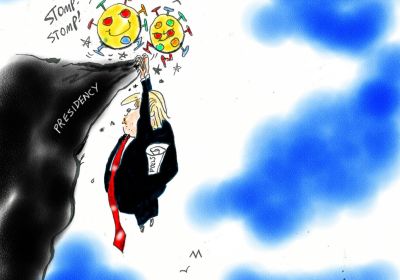
The United States is facing a number of interrelated crises: the coronavirus; the economy; institutional racism, including police violence against African Americans; disarray in the Federal government; and climate change, writes Barry Sheppard.