
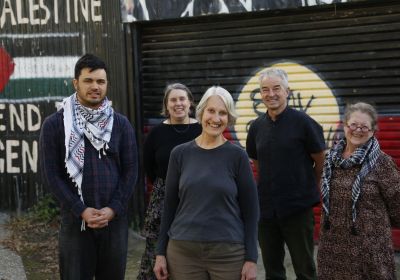
Socialist Alliance is contesting the November Victorian elections in the Northern Metropolitan region for the Legislative Council and in the lower house seats of Broadmeadows and Pascoe Vale. Jordan Shukri AK Armaou-Massoud reports.
Socialist Alliance is contesting the November Victorian elections in the Northern Metropolitan region for the Legislative Council and in the lower house seats of Broadmeadows and Pascoe Vale. Jordan Shukri AK Armaou-Massoud reports.
A secret government report said that while Port Kembla is the assessment’s preferred site for an East Coast nuclear submarine base, Muloobinba remains under consideration. Steve O’Brien reports.
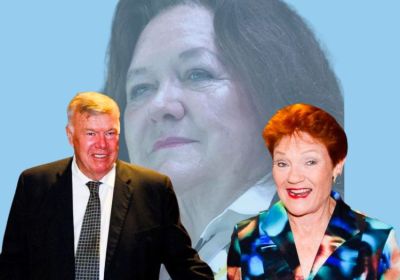
The Pauline Hanson’s One Nation’s victory in the Farrer by-election is an advance for racist, anti-immigrant and right-wing politics. Jacob Andrewartha and Sue Bolton argue that it can be countered.

Chris Minns told a business summit last year that Labor’s planning changes were designed for them, which, as Ben Radford explains, means less public oversight and community engagement.
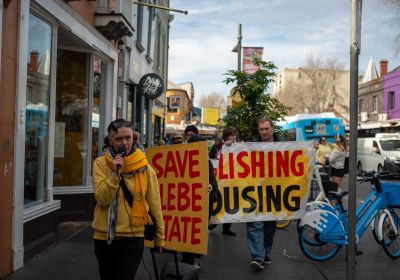
Socialist Alliance is standing housing campaigners Rachel Evans and Isaac Nellist in the inner-Sydney seats of Heffron and Balmain in the March 2027 state election.

Hungarian far-right president Victor Orbán’s fall represents a stinging ideological defeat for global neofascist and far-right movements and parties, argues Kevin B Anderson.
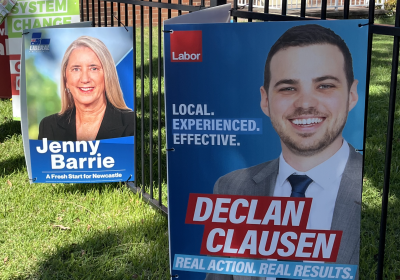
A huge vote against the Labor and Liberal candidates in the by-election for Newcastle lord mayor largely went to independent Gavin Morris. Steve O’Brien reports.

The gas leak at Viva refinery, the result of machinery failures, is no surprise for locals, who say the company is not spending enough on safety and maintenance. Sue Bull reports.
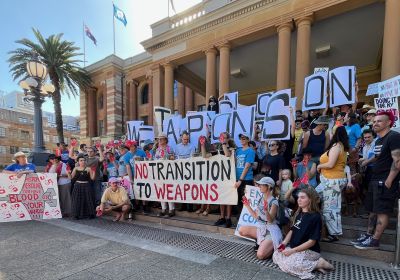
Hundreds joined a protest against the federal Labor government-supported transition from coal to becoming a weapons industry hub in the Hunter region. Peter Boyle reports.
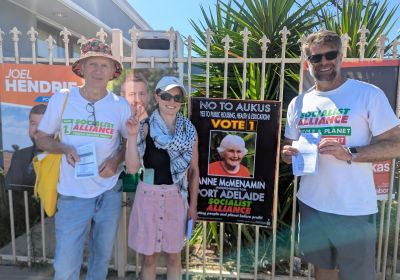
Disenfranchised, working-class voters looking to lodge a protest vote against the major parties helps explain the high vote for Pauline Hanson’s One Nation. Markela Panegyres looks at the issues in the South Australian election.
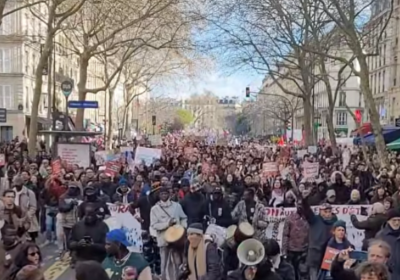
In the midst of the most comprehensive smear campaign against the radical left in the past 50 years, the first round of France's local elections was held on March 15, with wins for the far left and worrying gains for the far right, writes John Mullen.
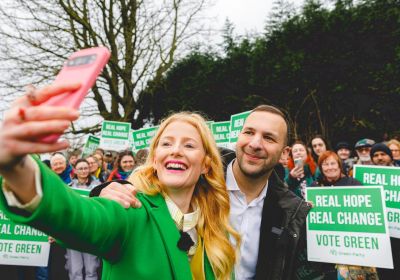
The Green Party of England and Wales cruised to victory with nearly 41% of the vote, in a by-election in the Manchester seat of Gorton and Denton. Derek Wall analyses the result and the factors contributing to the win.