
Below is the text of a speech by Pip Hinman, Socialist Alliance candidate for Marrickville in the NSW state elections, to the Newtown Neighbourhood Centre candidates meeting on February 23.
***
I’d like to first acknowledge that we’re meeting on the land of the Gadigal and Wangal people of the Eora nation, and I pay my respects to their elders past and present.
The two most important issues in this state election is to call a halt to the privatisations of our public assets and to immediately start a shift away from using polluting coal or gas for our energy needs.
-
-
Iraq: Protesters met with bullets “Soldiers and riot police fired on citizens rallying for jobs, public services and clean government across occupied Iraq,” the British Morning Star said on February 25. The article said at least 13 civilians were killed and many more wounded. Thousands of workers took to the streets in Baghdad, Mosul, Ramadi, Basra, Fallujah and Tikrit despite a curfew.
-
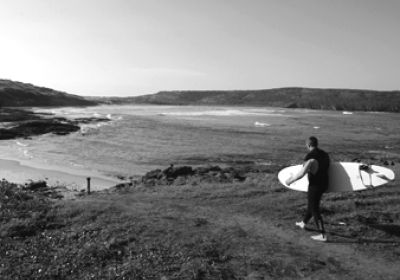 Killalea State Park again faces the threat of overdevelopment, says Peter Moran, the Greens candidate for Shellharbour in the NSW state elections. Community members organised in the Save Killalea Alliance (SKA) claimed a victory in May last year when a $35 million development proposal backed by investment firm Babcock and Brown was scrapped. The proposal would have allowed 106 accommodation lodges to be built on the pristine site. Developers had made an earlier proposal to build 202 residential lodges, pools, tennis courts, restaurants and a conference centre.
 -
About 50 angry policyholders — victims of the huge floods that inundated large parts of Brisbane in January — protested outside the South Bank offices of insurance company CGU on February 18. The noisy protest presented a list of demands to the company, the February 19 Courier Mail said.
-
 Hidden beneath the spectacular street battles that forced Egyptian dictator Hosni Mubarak out of office was a trigger that exists in dozens of countries throughout the world — food. Or, more specifically, the lack of it. Commentators have focused on the corruption of the dictatorship, or the viral effects of the Tunisian uprising or what appears to be akin to an Arab political awakening. But the inability of the Egyptian regime to ensure a steady flow of food staples should also be viewed as a critical factor driving this seemingly spontaneous movement for freedom.
 -
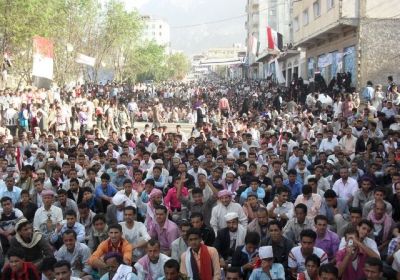
The flames of discontent continue to spread across the Middle East, in the wake of the toppling of the Tunisian and Egyptian regimes in recent weeks.
-
An Ecuadorian court handed down a landmark verdict in an 18-year case against international oil-giant Chevron on February 14. The company was fined US$8.6 billion for polluting the Amazonian basin, and $900 million in costs. The case — perhaps the biggest environmental case in history — was filed on behalf of around 30,000 peasants, farmers, and indigenous Ecuadorians who have suffered the ill-effects of Chevron’s toxic legacy.
-
 Leaked emails have revealed a plot by private internet security firms to bring down WikiLeaks. The plot was allegedly created on behalf of the Bank of America — the largest bank in the US. WikiLeaks editor-in-chief Julian Assange has said Bank of America will be the subject of future leaks. Computer-hacker group Anonymous revealed the plot after stealing 50,000 internal emails from internet security company HBGary Federal.
 -
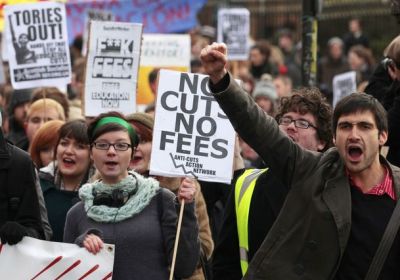 On November 10, tens of thousands of students marched through London against education cuts and fee hikes. This was an indication of the revival of a militant student movement in Britain. Clare Solomon, president of the University of London Union, told Green Left Weekly: “That demonstration was absolutely electric, especially when we occupied the Millbank Tory party headquarters. “There were thousands and thousands of 14, 15 and 16-year-old students, dancing, singing, hugging. It really was like a carnival of the oppressed.”
 -
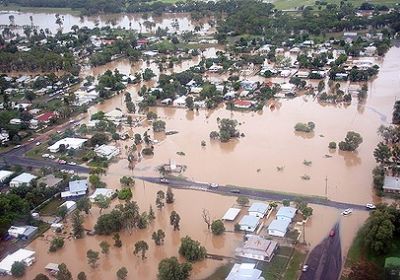 The Socialist Alliance has called for changes to the federal Labor government’s proposed flood levy to reduce the burden on workers and make Australia’s wealthiest corporations pay more. Socialist Alliance national convener Peter Boyle said on February 18: "The government should start with at least a 1.5% levy on the profits of corporations employing more than 20 people. “Corporations profiting from high carbon emitting industries could be levied an extra 0.5% as their actions are contributing to climate change.
 -
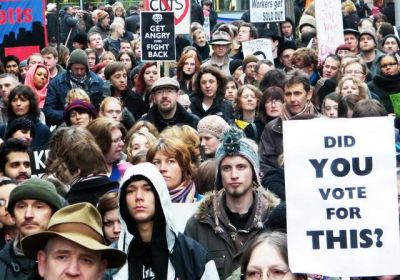 A rebellion is developing across Britain in the face of huge spending cuts by the Conservative Party-Liberal Democrat coalition government. The scale of the cuts is huge. The government is seeking to privatise huge swathes of the economy and hundreds of thousands of public sector jobs are under threat. They have also cut corporation tax, but sharply increased the goods and services VAT tax from 17.5% to 20%, which hits those on lower incomes hardest. By changing the inflation measure used to determine benefits and pensions, the government is plunging more people into poverty.
 -
If you intended to remedy the global collapse of fishing stocks, the last thing you would do is book a date with Japanese whalers at an upmarket seafood restaurant. Similarly, if you were writing a book on human rights, asking Kim Jong Il to write a chapter might undermine its credibility. By the same logic, inviting the world’s corporate and political elites to a ski resort in the Swiss Alps to discuss the growing disparity between the world’s rich and poor is distasteful and ludicrous.