-
The Supreme Court hearing in the Julian Assange case has profound meaning for the preservation of basic freedoms in Western democracies. This is Assange’s final appeal against his extradition to Sweden to face allegations of sexual misconduct that were originally dismissed by the chief prosecutor in Stockholm and constitute no crime in Britain. -
Rupert Murdoch's flagship newspaper, The Australian, has been on a campaign to destroy the Greens because the party represents a big electoral break from the two-parties-for-capitalism system that has dominated politics in this country for more than a century. In the past two weeks, this campaign has been hyped into McCarthyite Cold War hysteria. -
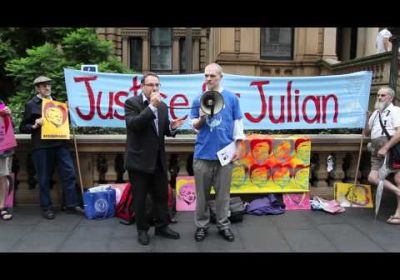
As the last appeal hearing on Julian Assange's extradition to Sweden began in London, a group of supporters in Sydney begin a vigil at the Sydney Town Hall. Speakers at the vigil included pro-WikiLeaks activist Jann Dark and NSW Greens MLC John Kaye.
-
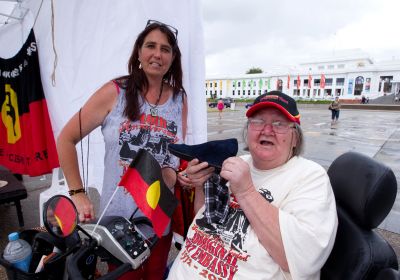
Pat Eatock, a veteran of the 1972 Aboriginal Tent Embassy, was recently splashed all over the news holding the Prime Minister's shoe. The shoe was lost when Julia Gillard was clumsily evacuated with opposition leader Tony Abbott by her panicked security detail from a function just 100 metres from the 40th anniversary gathering at the Aboriginal Tent Embassy. The gathering took place next to the Old Parliament House in Canberra on January 26.
-
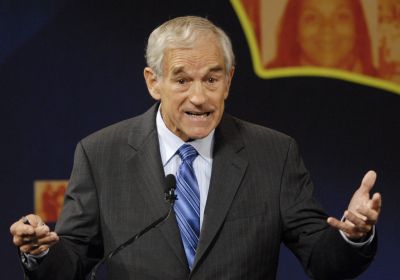
These days when an online conversation turns to international affairs, even here in Australia, it’s not long before the Ron Paul supporters arrive. Not since the height of Obamania have so many Australians been so enthusiastic about a US politician. But what makes the passion about Paul even more remarkable is that he’s a Republican — and many of his local fans identify as progressives. -
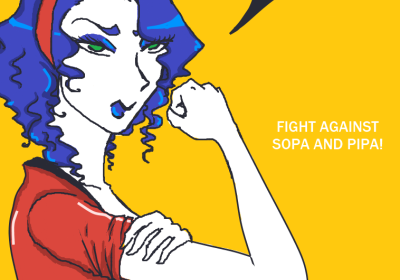
United States politicians have, for the moment, succumbed to pressure of a growing campaign against the Stop Online Piracy Act (SIPA) and the PROTECT IP act (PIPA). The campaign has involved forces ranging from independent bloggers and content producers to internet giants Wikipedia, Reddit, Facebook, Twitter and Google In response to protests, the proposed acts have, for now, been shelved. -
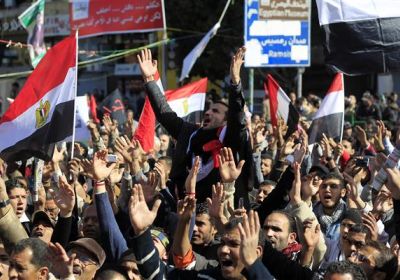
Egyptians massed in Tahrir Square on January 27 to press the ruling junta to transfer power to a civilian administration and put generals on trial for killing protesters during the popular uprising last year. The protest was staged on the first anniversary of the "Friday of Rage," one of the bloodiest days of the 18-day wave of protests a year ago that ousted former president Hosni Mubarak. Police and soldiers killed and wounded hundreds of protesters. -
The high profile shutdown of file-hosting company MegaUpload on January 20, and the arrest of CEO Kim Schmitz (aka Kim Dotcom) and other executives for allegedly operating a global pirating network, is the latest shot in the war over freedom on the internet.
-
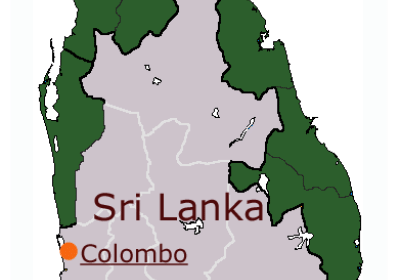
In December 1984, the Sri Lankan Army (SLA) expelled Tamil farmers from three villages in the Ma'nalaa'ru region in the northeast of the island of Sri Lanka and seized 1500 acres of land. The land has been occupied by the SLA ever since. The displaced farmers told two Tamil National Alliance members of the Sri Lankan parliament who recently visited the area that the army still bans them from returning. They are not even allowed to look at their land. -
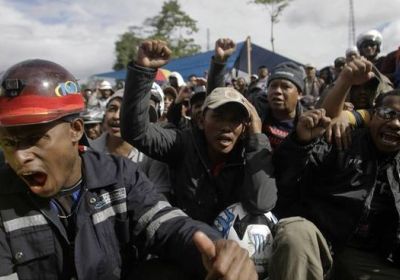
Deadly repression in Indonesia has refocussed attention on the role of Australian mining companies in human rights abuses in the country. People of the Paniai region in Indonesian-occupied West Papua have lived in terror since November. The Australian government-trained “anti-terrorist” unit Detachment 88 (D88) and Brimob paramilitary force launched an offensive in the area that month to eliminate fighters from the Free Papua Movement (OPM). -
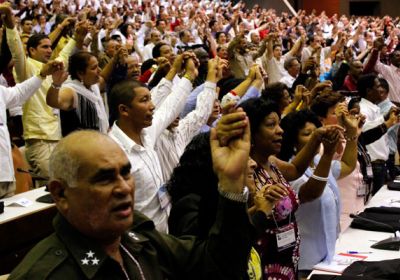
The Sixth Congress of the Cuban Communist Party (PCC), held in April, “endorsed for the first time a fundamental change in the political and economic model”, said Cuban political scientist and Temas editor Rafael Hernandez. This does not mean abandoning Cuba’s socialist project, but renewing this project after two decades of the post-Soviet “Special Period”. This is a deep structural crisis in Cuba’s post-capitalist, centrally-planned economy and an ideological and ethical crisis of the nation’s socialist vocation. -
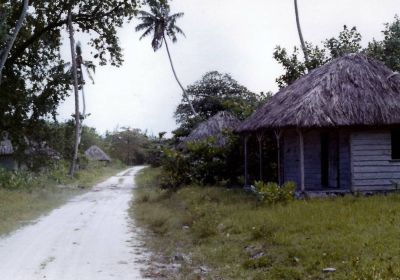
Lisette Talate died the other day. I remember a wiry, fiercely intelligent woman who masked her grief with a determination that was a presence. She was the embodiment of people’s resistance to the war on democracy. I first glimpsed her in a 1950s Colonial Office film about the Chagos Islanders, a tiny creole nation living midway between Africa and Asia in the Indian Ocean. The camera panned across thriving villages, a church, a school, a hospital, set in a phenomenon of natural beauty and peace. Lisette remembers the producer saying to her and her teenage friends: “Keep smiling girls.”