-
-
-
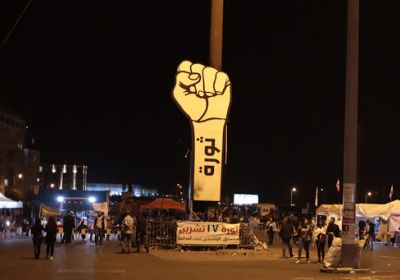
Now in its second month, the uprising in Lebanon is revealing its nature and cultural character.
-
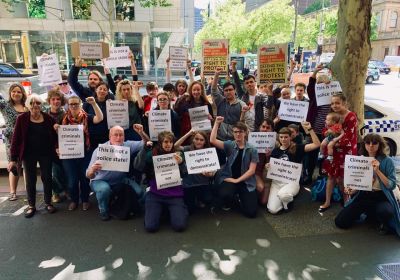
Blockade IMARC activists rallied outside Melbourne‘s Magistrates Court on November 18 in solidarity with people who were arrested during the protests outside the International Mining and Resources Conference (IMARC) in October.
-
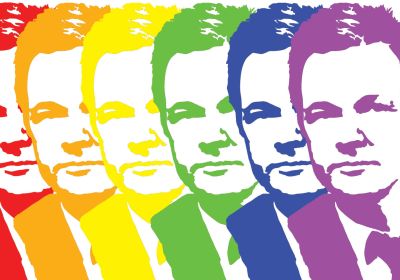
Jennifer Robinson, a lawyer for imprisoned WikiLeaks founder Julian Assange, believes the United States’ application to extradite him from a British prison is a "very serious threat to free speech and journalism in the US and all over the world."
-
-
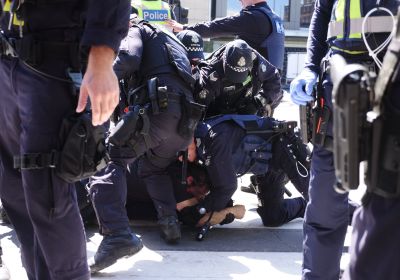
That two police officers have been condemned for inappropriate conduct indicates that public backlash over the police violence has had an effect. But for the government and police, it is a good way to deflect attention from the role the police play in society.
-
-
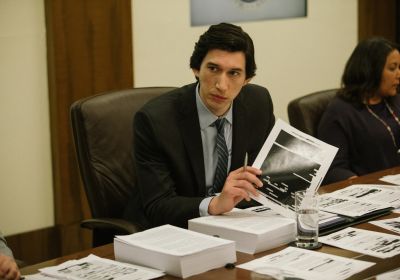
The Report is based on the real-life work of US Senate staffer Daniel Jones, who led the investigation into the Central Intelligence Agency’s international torture program that followed the 2001 World Trade Centre attacks.
-
-
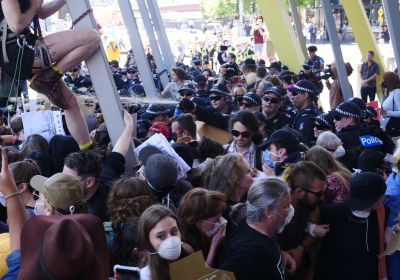
A protester recounts how Victoria Police brutally attacked protesters with chemical foam and pepper spray at the peaceful blockade of the International Mining and Resources Conference on October 30.
-
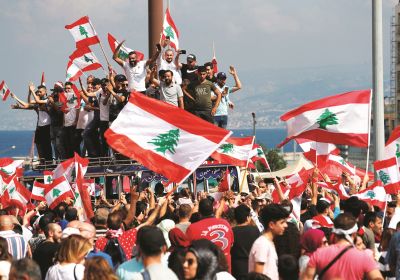
Two weeks of sustained mass protests across Lebanon have forced the government of Prime Minister Saad Hariri to resign. At its peak, the movement united to form a 170 kilometre-long human chain from Tripoli to Tyre. While Hariri’s resignation met one of the movement’s demands, demonstrators have vowed to keep struggling for more fundamental change in the country. Nizar Hassan, who participated in the uprising as a member of the LilHaqqi movement, looks at the origins and dynamics behind the protests.
Democracy
Democracy