
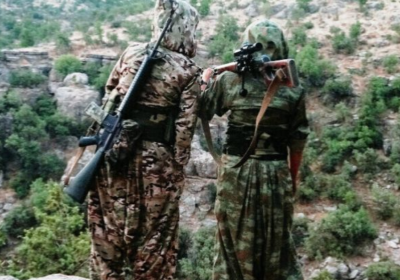
The long-anticipated framework law for the dissolution of the Kurdistan Workers’ Party was brought before Turkish parliament. But it raises more questions than answers, argues Sarah Glynn.
The long-anticipated framework law for the dissolution of the Kurdistan Workers’ Party was brought before Turkish parliament. But it raises more questions than answers, argues Sarah Glynn.
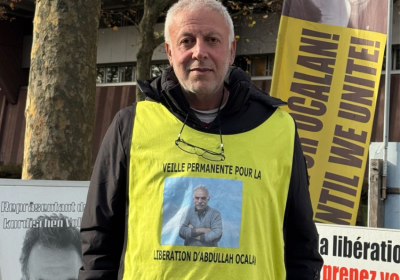
In the 1990s, the Turkish state exercised a rule of terror in the Kurdish south-east. Villages were erased, people were disappeared and many activists were sent to jail for “life”. One of those since released, Selahattin Mete, spoke to Sarah Glynn in Strasbourg.
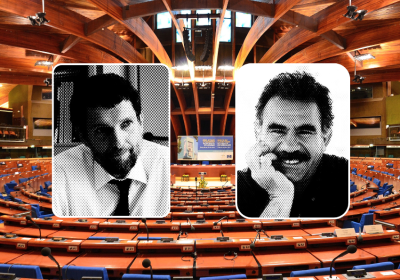
When it comes to bringing Turkey to account for its attack on democracy and human rights abuses against Kurds, the Council of Europe has been kicking the ball into the long grass, yet advocates continue to lobby its politicians and bureaucrats and organise demonstrations outside its gates, writes Sarah Glynn.
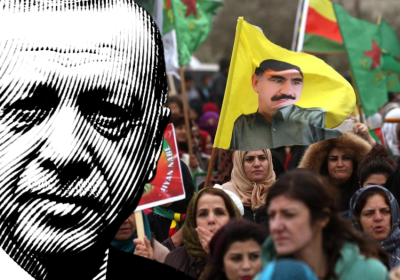
It has been six months since imprisoned Kurdish leader Abdullah Öcalan’s call for the disarmament and dissolution of the Kurdistan Workers’ Party, giving rise to hopes of a new “peace process”, writes Sarah Glynn. But are the Kurds any closer to seeing a peaceful future in Turkey and beyond?
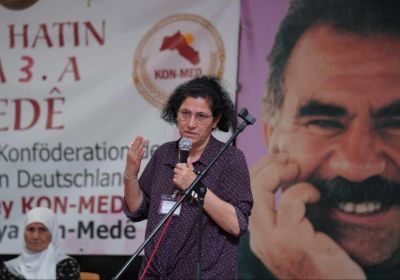
Nilüfer Koç is the spokesperson for the Commission on Foreign Relations of the Kurdistan National Congress, a coalition of political parties and civil society organisations from Kurdistan and the Kurdish diaspora. She spoke to Green Left about the challenges ahead following the historic call by imprisoned Kurdish leader Abdullah Öcalan for the disarmament and dissolution of the Kurdistan Workers’ Party.
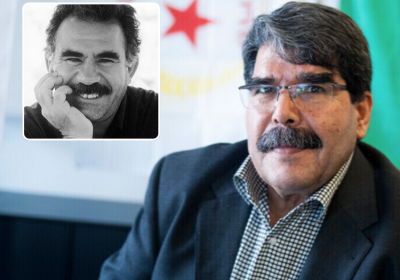
Salih Muslim spoke to Green Left’s Peter Boyle about the significance for Rojava of imprisoned Kurdish leader Abdullah Öcalan’s call for the disarmament and dissolution of the Kurdistan Workers’ Party.
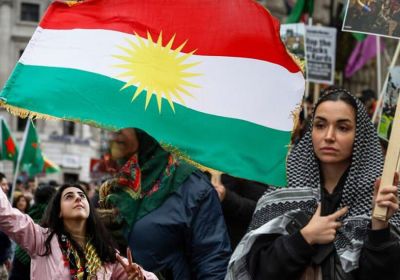
Thousands gathered in the streets of London to protest against the criminalisation of the city’s Kurdish community, reports Medya News.

Turkey escalated its bombing of civilian targets in North East Syria (in the region known as Rojava) on October 5, reports Susan Price.
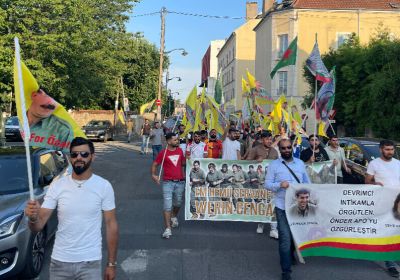
Kurds and their supporters in France, Germany, and Switzerland protested on July 8 over new death threats against Kurdistan Workers Party (PKK) leader Abdullah Öcalan who has been imprisoned by the Turkish state for the past 24 years, reports Peter Boyle.
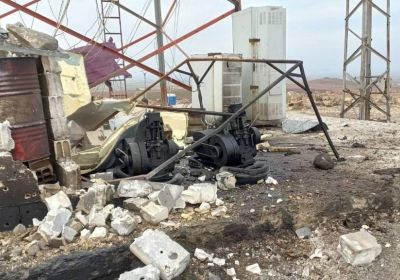
Turkey has struck more than 90 villages and towns in North East Syria since November 19, reports Susan Price. Meanwhile, international voices of condemnation are growing.

Journalists, political parties and movements from Latin American and African countries condemned the invading Turkish state's attacks on North and East Syria (Rojava) and called for action, reports ANF English.
Parties from across the Asia-Pacific have issued the following joint statement in response to the attacks by Turkey and Iran on Kurdish communities.